Loblolly Pine
Pinus taeda
Loblolly pine is a fast-growing evergreen conifer of the southeastern United States and the region's most important timber tree. Tall and straight with long needles, it dominates southern forests and plantations.
- Light
- Full sun
- Water
- Adaptable; tolerates both moist and dry soils once established
- Difficulty
- Easy
Got a plant like this?
Identify any plant from a photo, free.
Overview
Loblolly pine is a large, fast-growing evergreen conifer native to the southeastern United States. It is the most commercially important timber tree in the South and one of the most widely planted trees in North America.
The name "loblolly" refers to low, wet ground, reflecting one of its preferred habitats, though it is highly adaptable and readily colonizes abandoned farmland — hence the alternate name "oldfield pine." It grows rapidly, often gaining over half a meter (2 ft) per year when young.
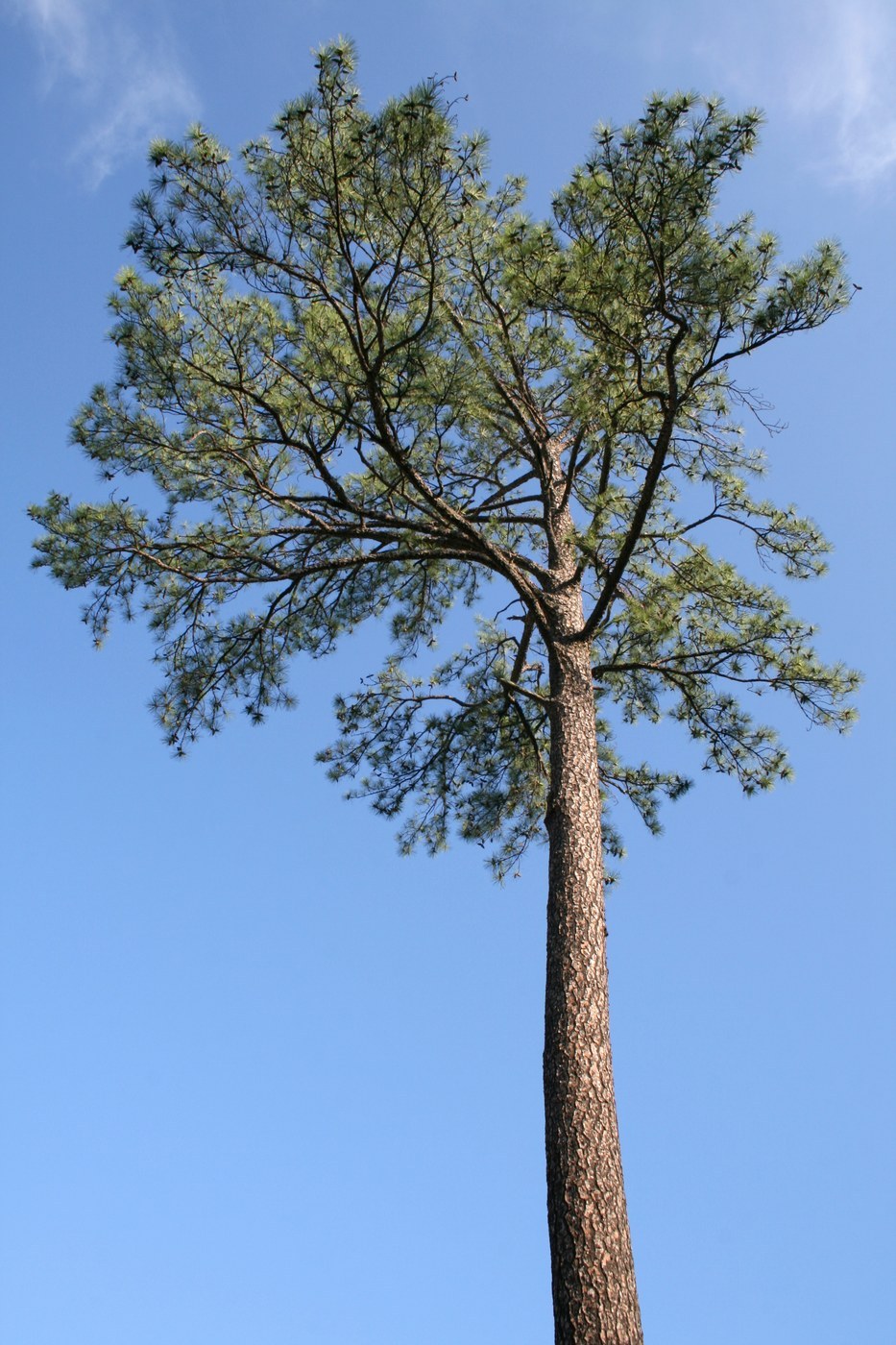
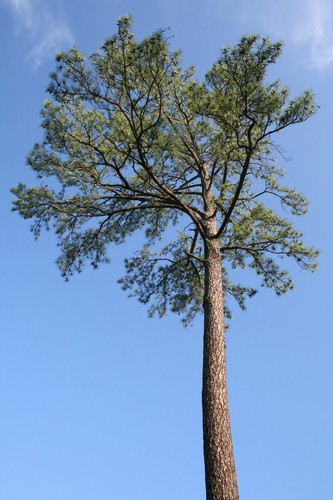
With its tall, straight trunk and high canopy of long needles, loblolly pine is a backbone of southern pine plantations, supplying lumber, pulp and paper across the region.
How to identify it
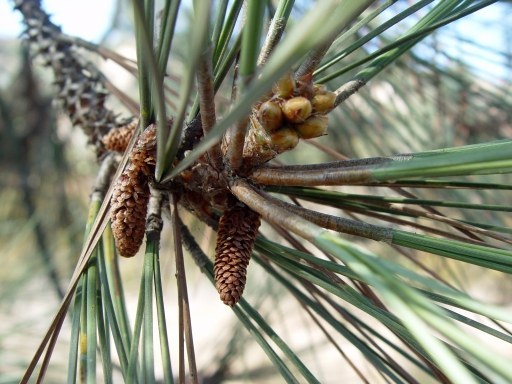
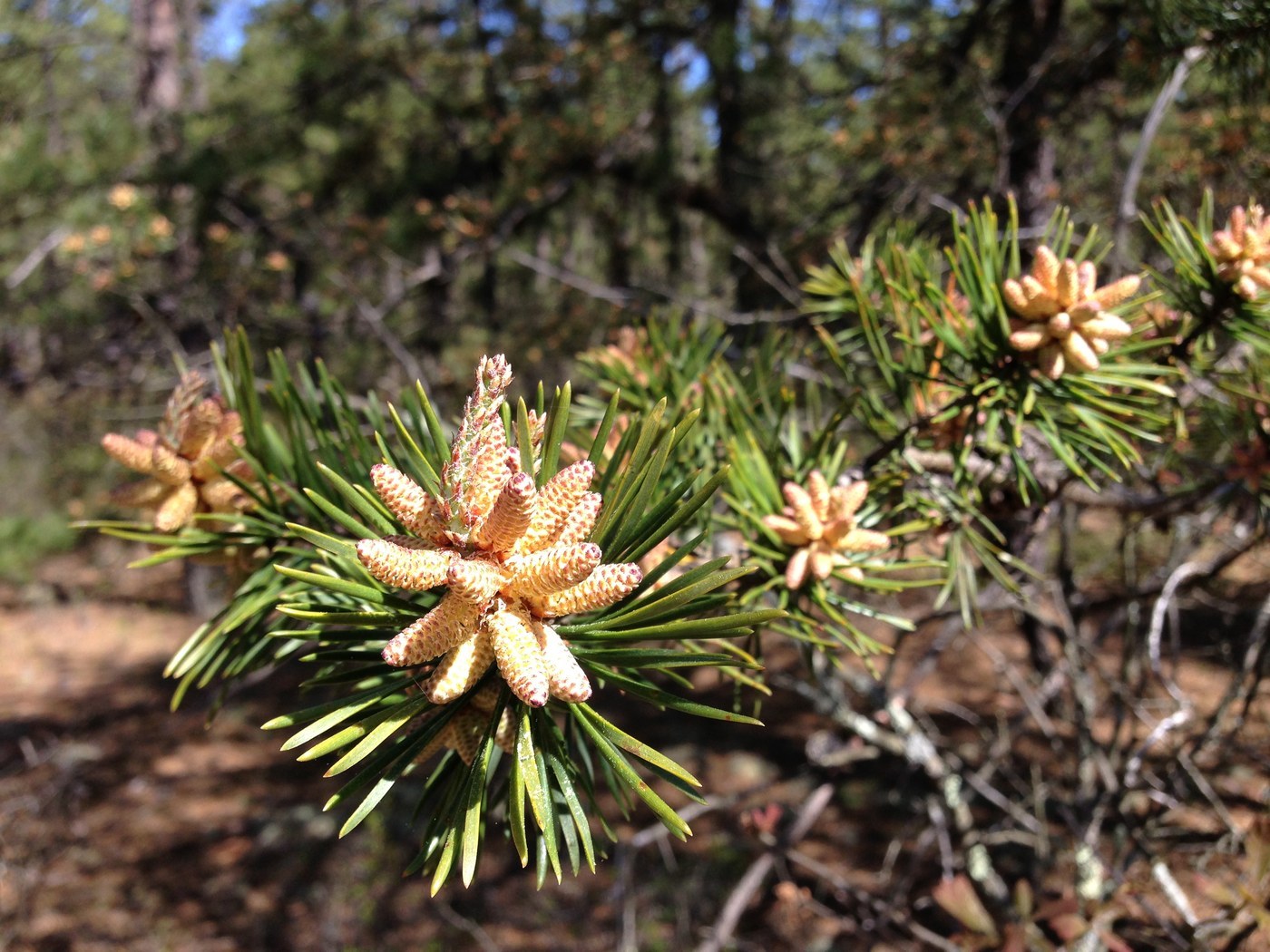
- Needles: Long (15–23 cm / 6–9 in), slender, yellow-green needles in bundles of three, slightly twisted
- Cones: Reddish-brown, oval cones 7–15 cm long, with a short, sharp prickle on each scale
- Bark: Reddish-brown to grey, thick and deeply furrowed into broad, scaly plates with age
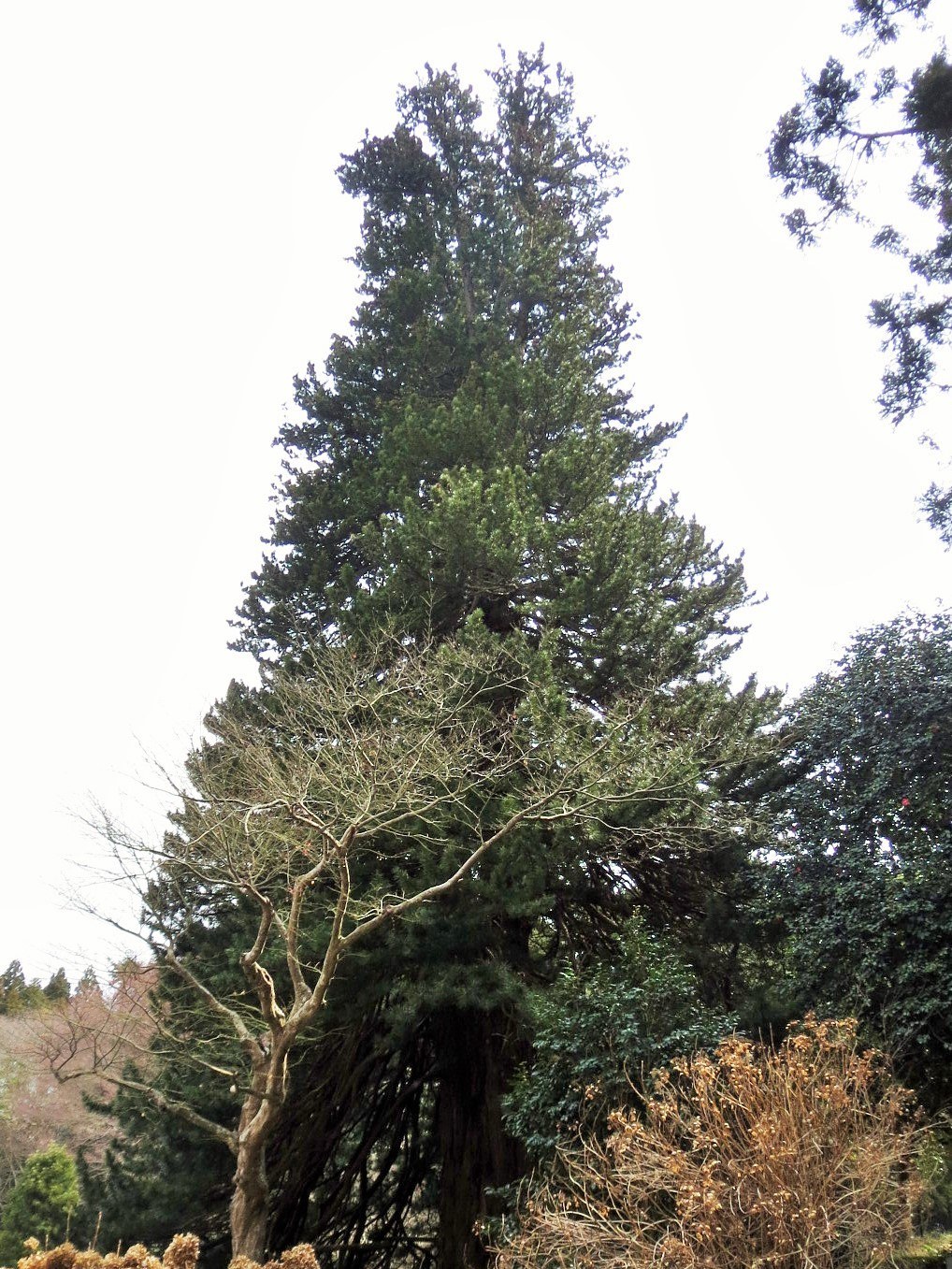
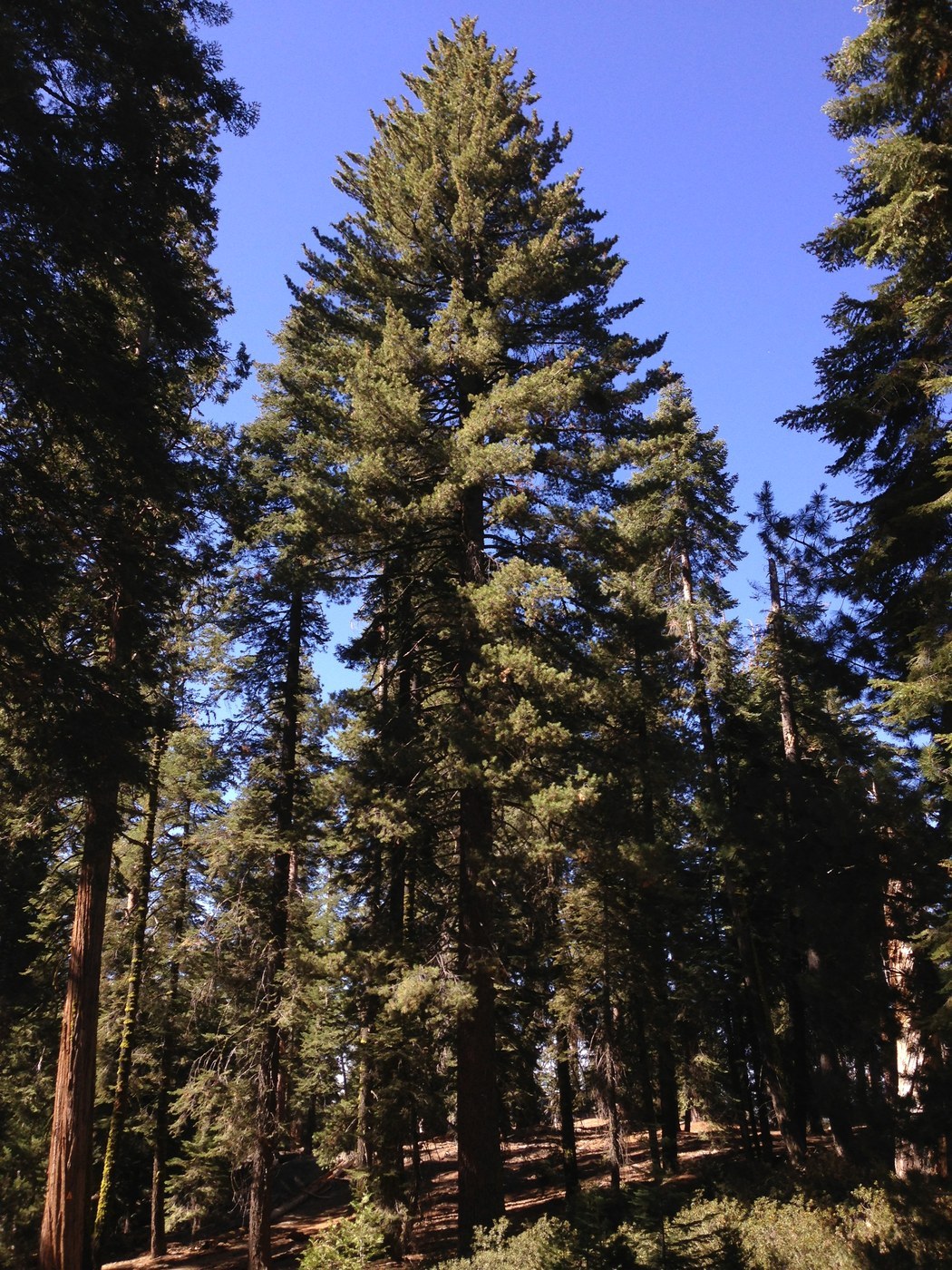
- Size: Typically 30–35 m (100–115 ft) tall, occasionally taller
- Habit: Straight trunk with a rounded to oval crown high on the tree
- Growth: Very fast-growing, especially when young
Care & growing
Light: Full sun; loblolly pine is shade-intolerant and needs open conditions.
Water: Highly adaptable — tolerates both periodically wet bottomlands and drier upland soils once established.
Soil: Grows on a wide range of soils, including poor, acidic and compacted ground; prefers moist, well-drained sites for best growth.
Temperature: Adapted to the warm, humid climate of the southeastern US; hardy in USDA zones 6–9.
Feeding: Generally not needed in the landscape; plantation trees may be fertilized for maximum growth.
Propagation: Grown from seed; cones open to release winged seeds that germinate readily on disturbed or open ground.
Habitat & origin
Pinus taeda is native to the southeastern United States, ranging from southern New Jersey south to central Florida and west to eastern Texas. It thrives in the warm, humid lowlands of the coastal plain and piedmont.
It grows in a range of habitats from moist bottomlands to drier uplands and is a vigorous pioneer of abandoned fields and cleared land. It is planted extensively in managed pine plantations throughout the South and has been introduced to other warm-temperate regions worldwide for forestry.
Frequently asked questions
How fast does loblolly pine grow?
Very fast — young trees commonly grow 60 cm (2 ft) or more per year under good conditions, which is why it is favored for timber plantations.
How can I tell loblolly pine from other southern pines?
Look for needles in bundles of three that are 15–23 cm long, combined with relatively small (7–15 cm) prickly cones. Longleaf pine has much longer needles and bigger cones, while shortleaf pine has shorter needles, often in twos and threes.
Is loblolly pine a good landscape tree?
It can be, offering fast shade and evergreen screening, but its large size, dropped needles and cones, and tendency to lose lower branches make it better suited to large properties than small yards.
What kind of soil does loblolly pine need?
It is very adaptable, tolerating poor, acidic, wet or dry soils, but grows fastest on moist, well-drained sites in full sun.
Loblolly Pine guides
In-depth guides for identifying, growing, and caring for Loblolly Pine.
How to Care for Loblolly Pine
Grow the loblolly pine (Pinus taeda), a fast-growing southern evergreen with long needles, ideal for sun and adaptable soils.
Loblolly Pine Identification Guide
Identify loblolly pine by its needles in bundles of three, spiny-tipped cones, and tall straight trunk with scaly reddish-brown plates. Includes how to tell it from longleaf, shortleaf, and slash pine.