Longleaf Pine
Pinus palustris
A stately fire-adapted pine that once dominated vast southeastern U.S. forests, prized for its very long needles, durable timber and grass-stage seedlings. Restoration of its open, biodiverse savannas is a major conservation effort.
- Light
- Full sun
- Water
- Drought-tolerant once established
- Difficulty
- Moderate
Got a plant like this?
Identify any plant from a photo, free.
Overview
Longleaf pine is a tall, long-lived conifer that once covered an estimated 90 million acres of the southeastern United States, forming open, park-like savannas maintained by frequent low-intensity fire. Logging and fire suppression reduced it drastically, and restoring longleaf ecosystems is now a flagship conservation goal.
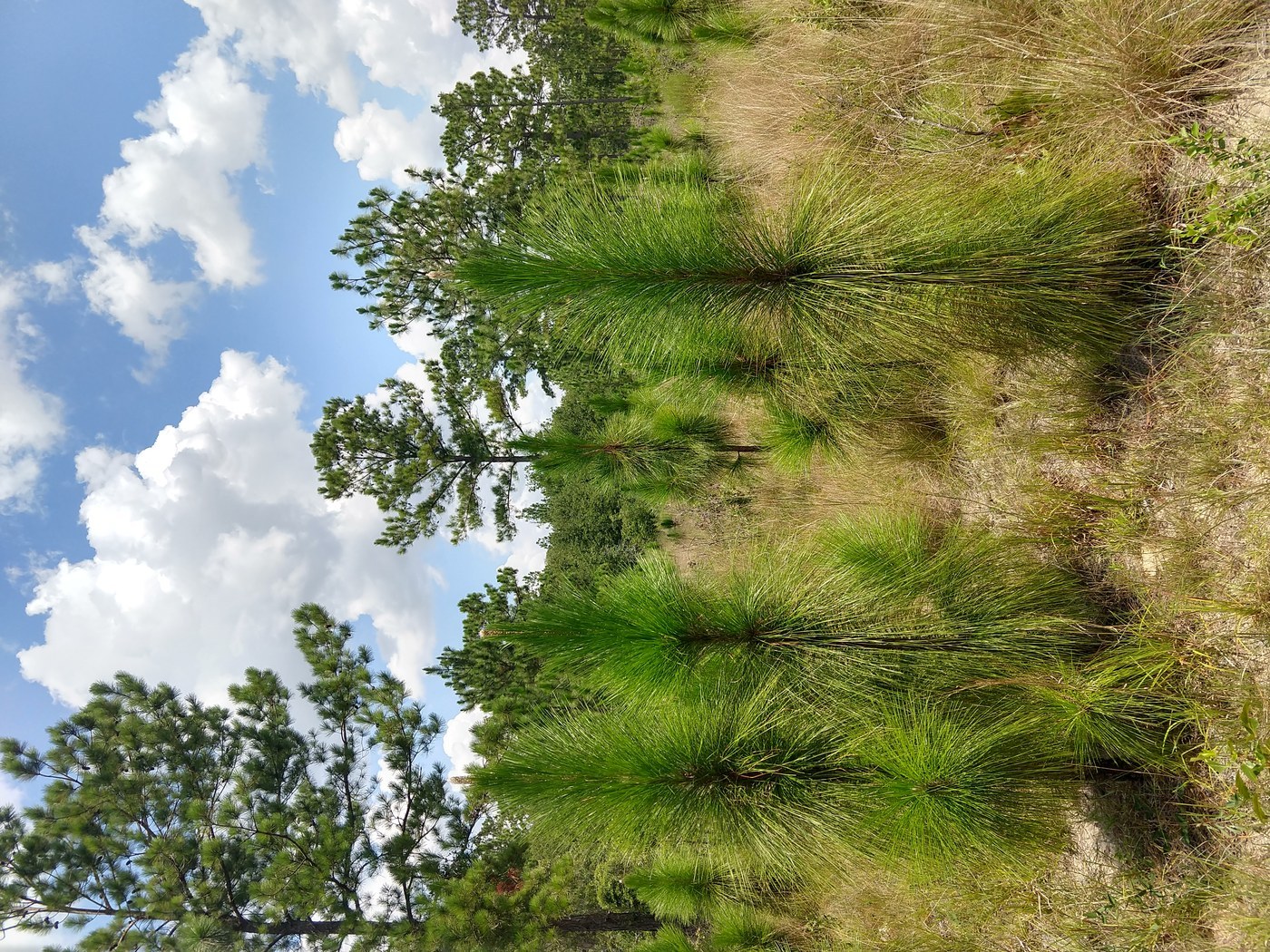
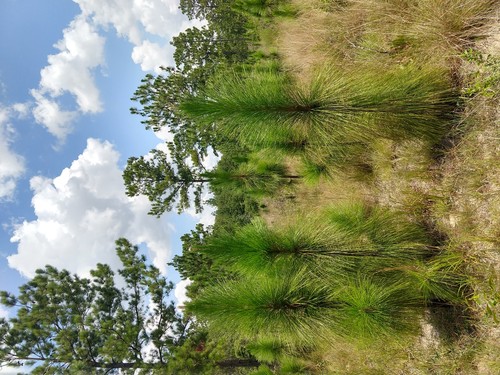
The tree is named for its very long needles, which can reach 18 in, borne in dense tufts. Seedlings pass through a fire-resistant 'grass stage' before bolting upward.
Longleaf forests are among the most biodiverse temperate ecosystems in North America, supporting species such as the red-cockaded woodpecker and gopher tortoise.
How to identify it
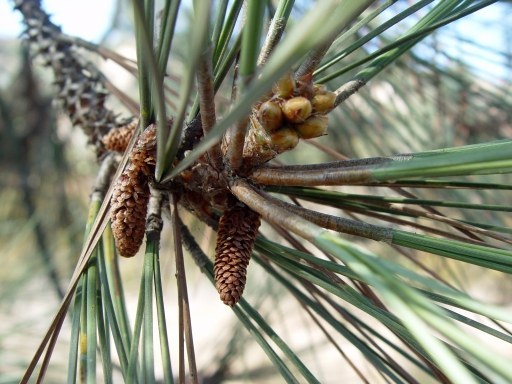
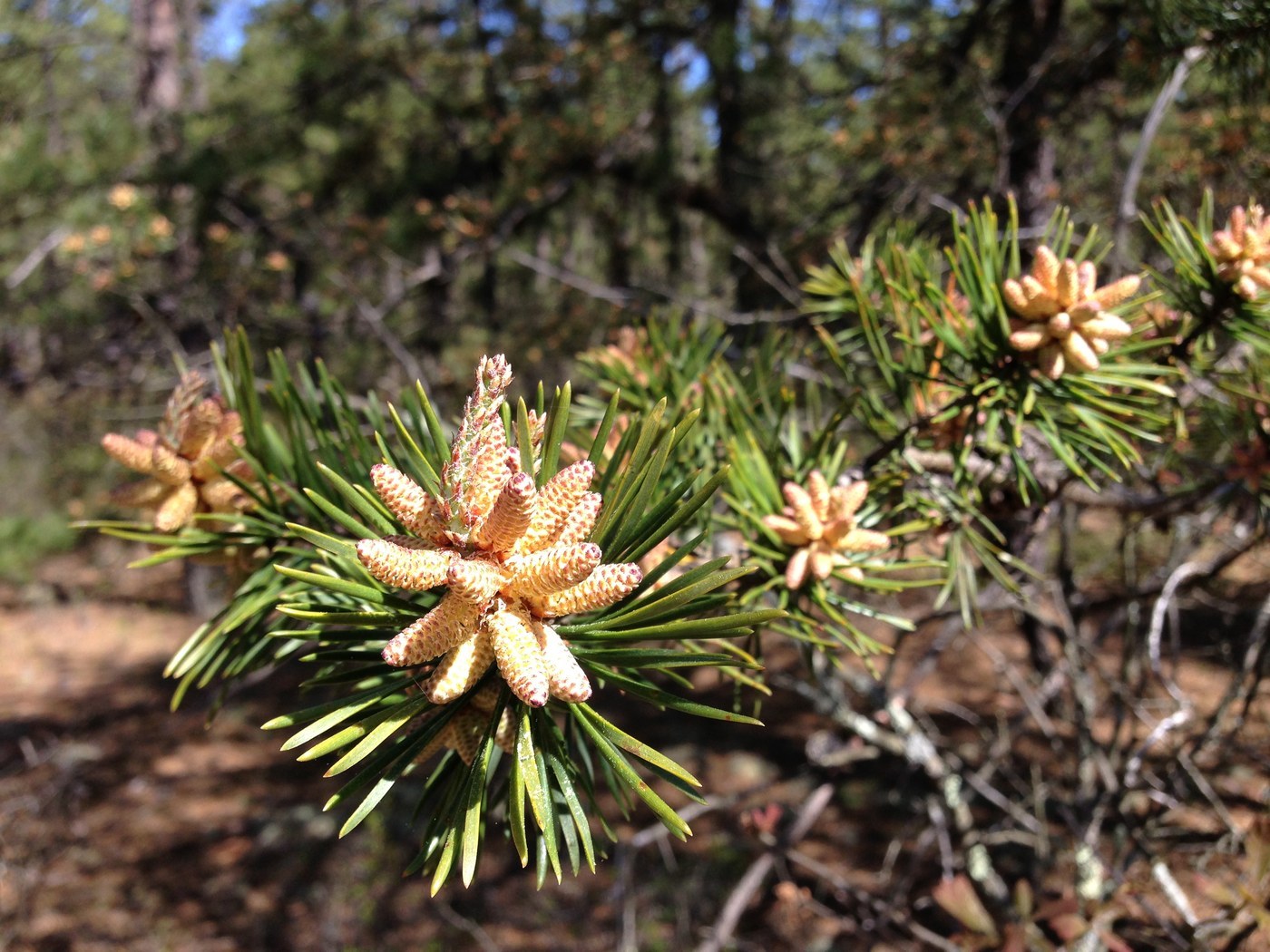
- Needles: very long (8–18 in / 20–45 cm), bright green, in bundles of three, clustered at branch ends
- Seedlings: distinctive grass stage—a tuft of needles with no visible stem for several years
- Cones: large (6–10 in), reddish-brown when young
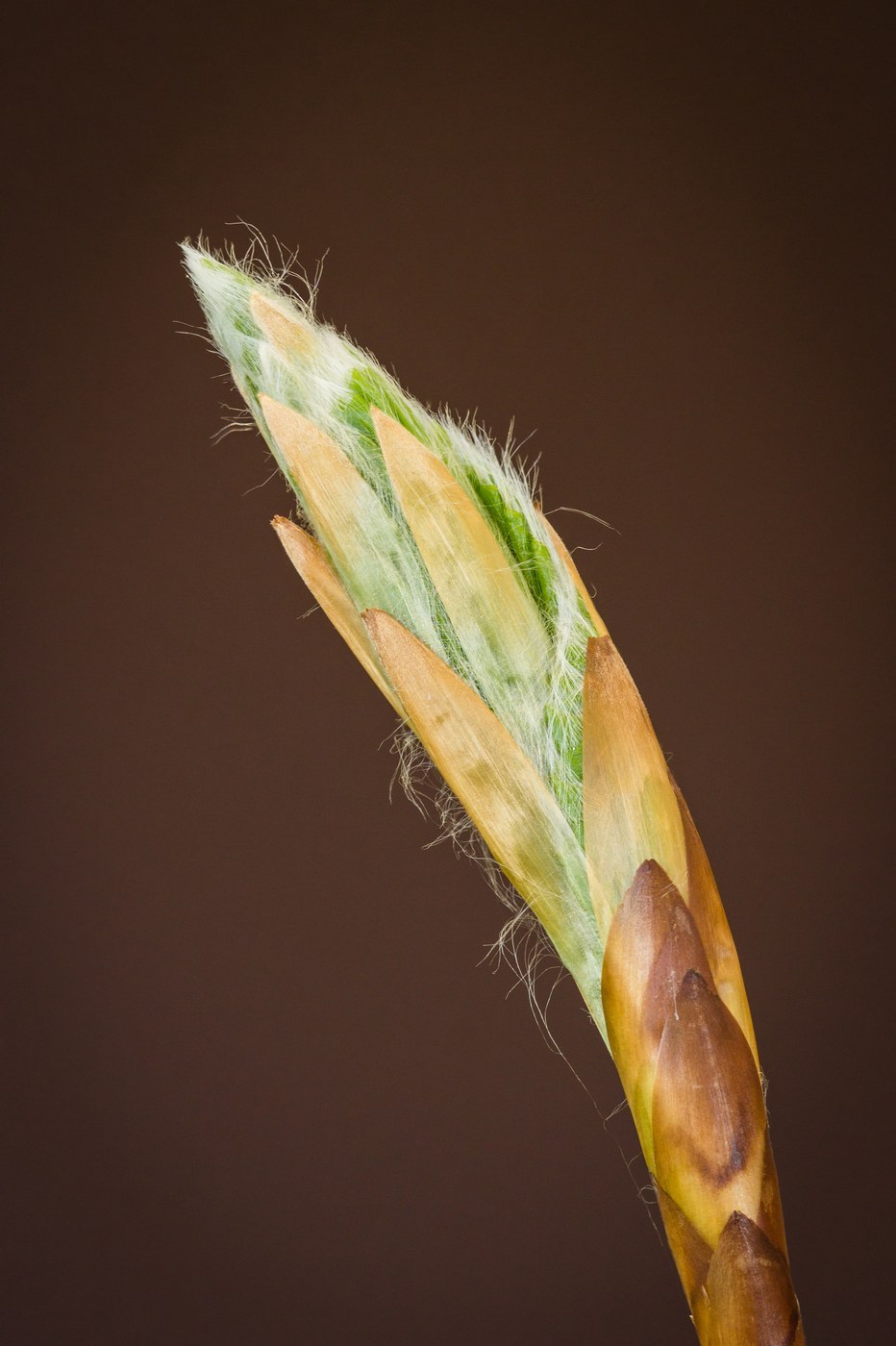
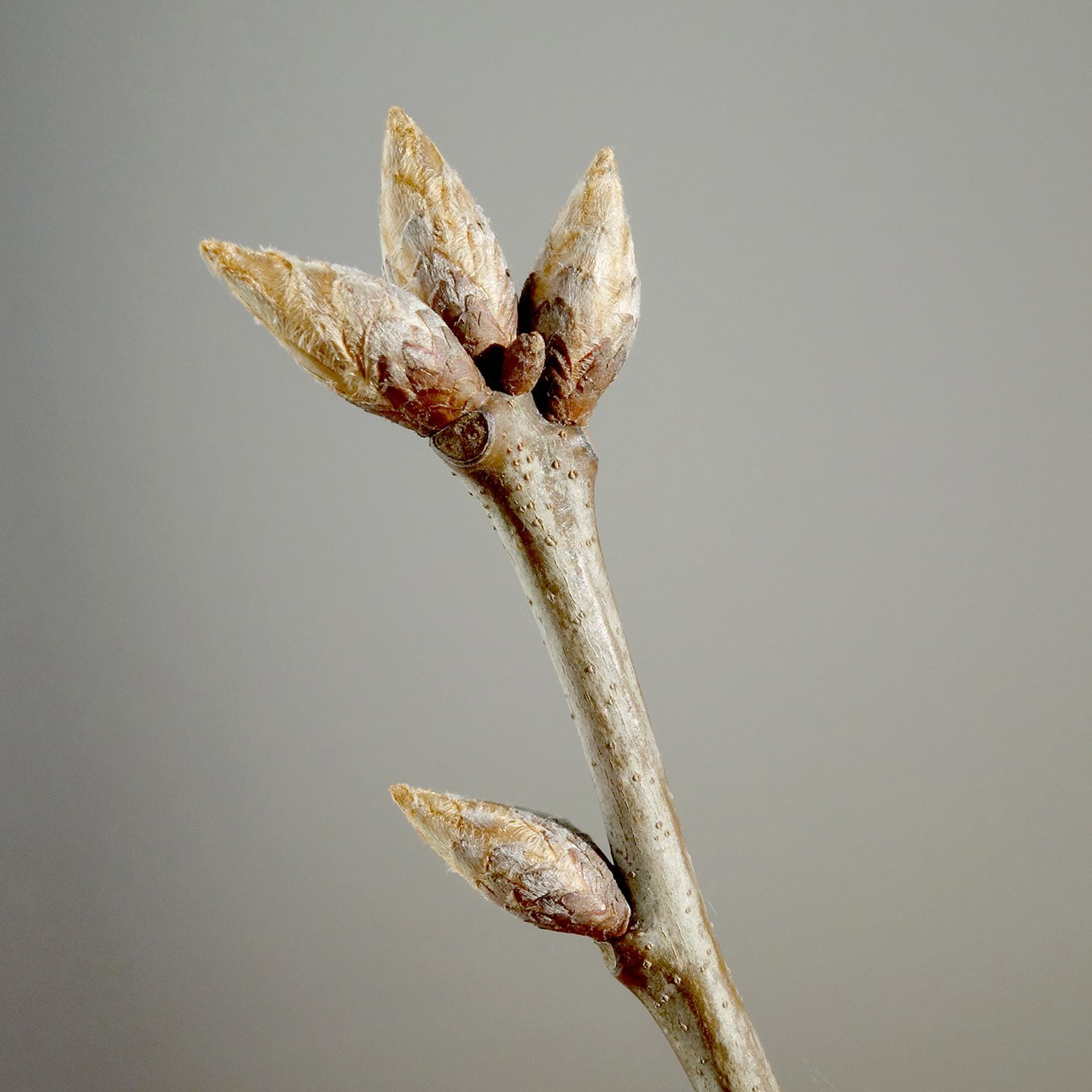
- Buds: large, silvery-white terminal buds
- Bark: orange-brown, scaly plates
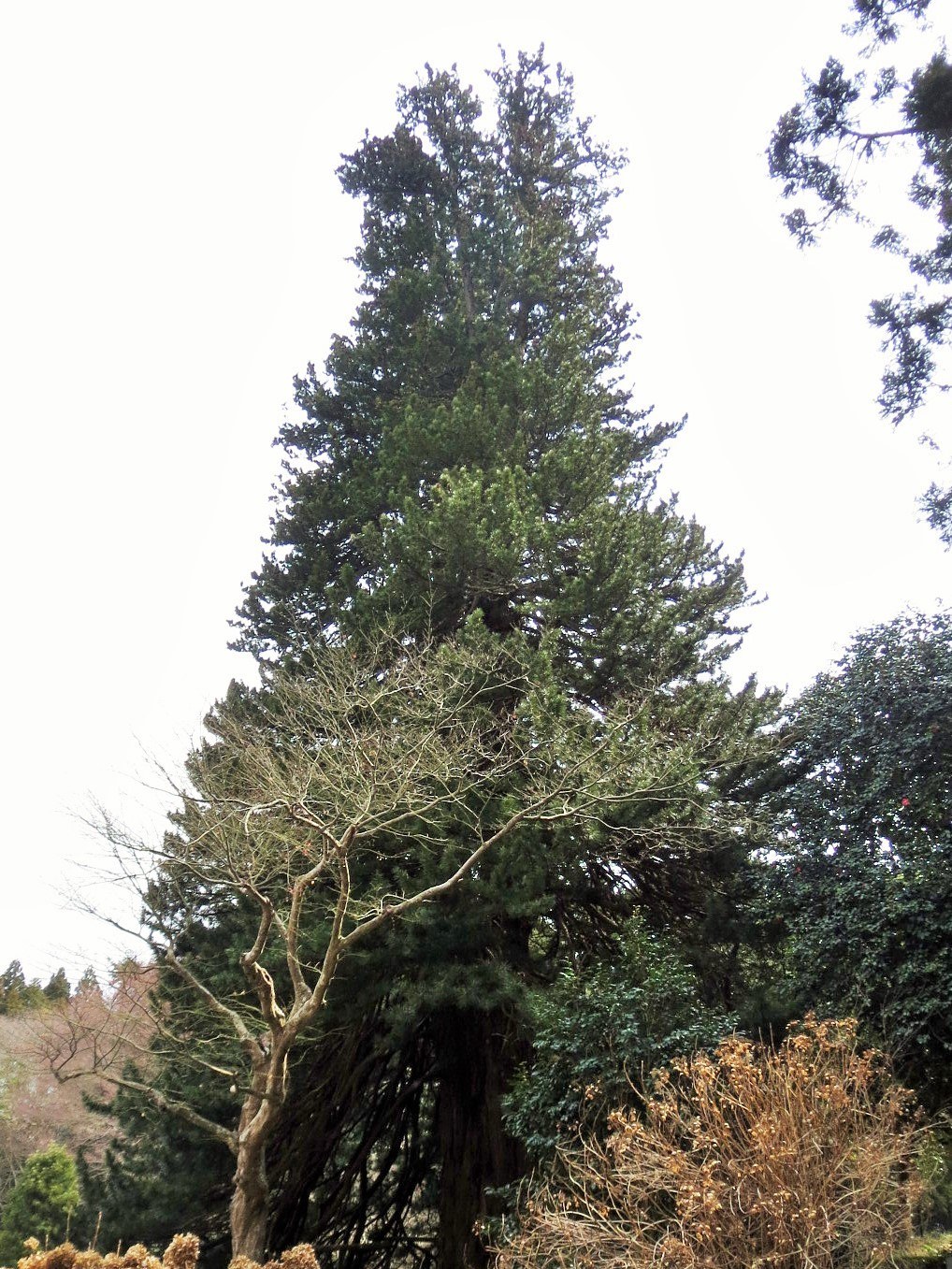
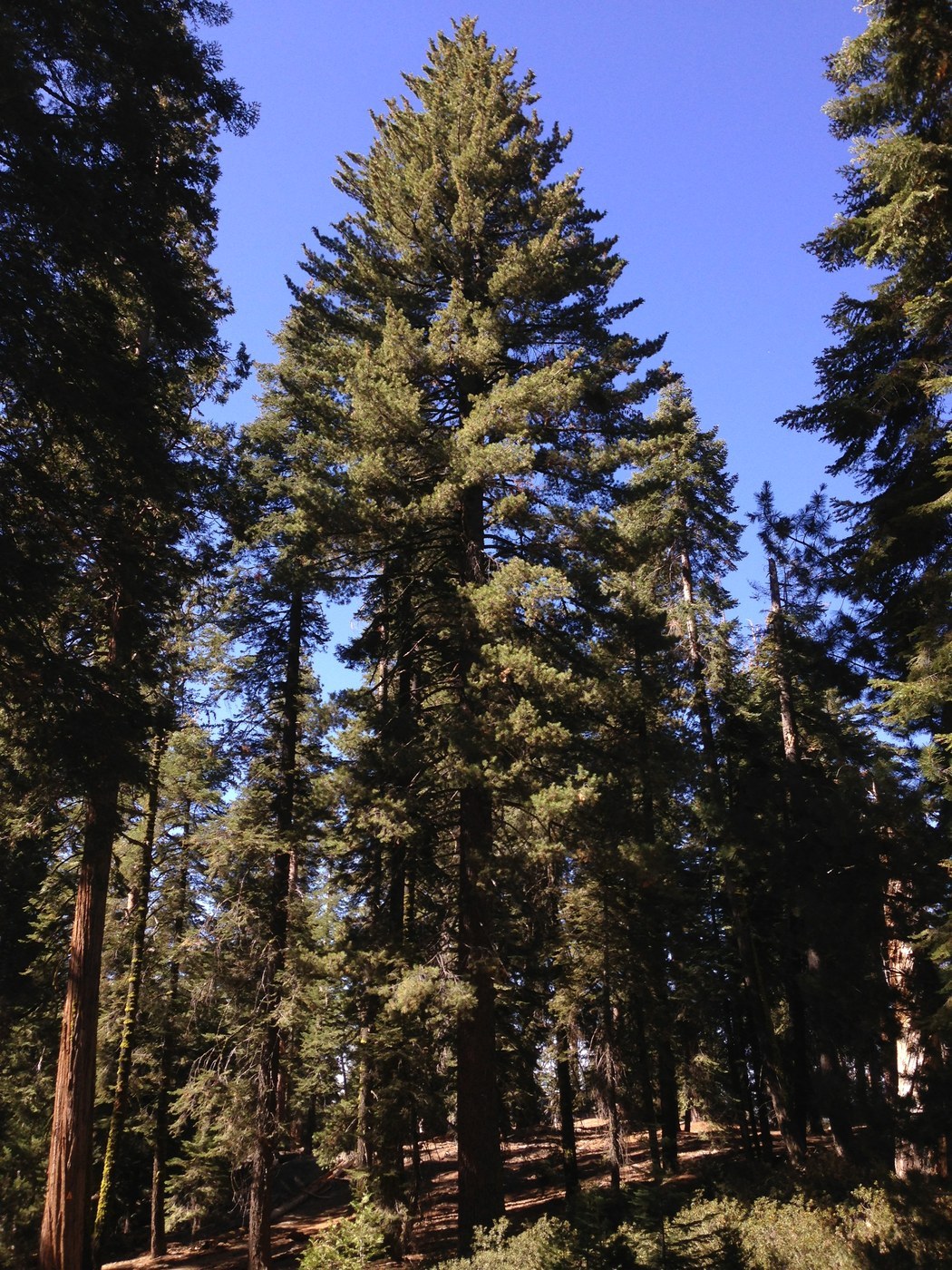
- Size: typically 80–100+ ft (24–30+ m) tall with a long, clear trunk
Care & growing
Plant in full sun on sandy, well-drained soil; longleaf is adapted to fire-managed savannas.
- Water: drought-tolerant once established
- Soil: prefers sandy, acidic, well-drained ground
- Temperature: hardy roughly USDA zones 7–9
- Fire: prescribed burning maintains its open habitat and helps it escape the grass stage
- Feeding: minimal
- Propagation: from seed; growth is slow during the grass stage, then rapid once the stem elongates
Patience and periodic fire (where permitted) are key to healthy stands.
Habitat & origin
Native to the coastal plain of the southeastern United States, historically from southeastern Virginia south to Florida and west to eastern Texas.
It forms open, grassy savannas and sandhill woodlands maintained by frequent fire. Once dominant across the region, it now occupies a small fraction of its original range and is the focus of large-scale restoration.
Frequently asked questions
Why was longleaf pine so important historically?
Its vast forests supplied durable lumber and naval stores like turpentine and tar, and the ecosystem is among the most biodiverse in temperate North America.
What is the grass stage?
Longleaf seedlings spend several years as a grass-like tuft, building a deep root system and fire resistance before the stem rapidly shoots upward.
Does it need fire?
Yes—frequent low-intensity fire maintains its open savanna habitat, controls competitors, and helps seedlings emerge from the grass stage.
How long are the needles?
They are among the longest of eastern pines, commonly 8 to 18 inches, clustered in showy tufts at the branch tips.
Longleaf Pine guides
In-depth guides for identifying, growing, and caring for Longleaf Pine.
How to Care for Longleaf Pine
Grow Longleaf Pine (Pinus palustris), the stately southeastern conifer with long needles and a slow, grassy juvenile stage.
Longleaf Pine Identification Guide
Identify Longleaf Pine (Pinus palustris) by its very long needles in threes, large cones, big silvery candle buds, and the iconic grass-stage seedling.