Marionberry
Rubus L. subgenus Rubus
A blackberry cultivar bred in Oregon, the most widely grown blackberry in the state. It is a vigorous trailing cane fruit trained on trellises.
- Light
- Full sun
- Water
- Regular; deep weekly watering
- Difficulty
- Moderate
Got a plant like this?
Identify any plant from a photo, free.
Overview
The marionberry is a cultivated blackberry (a trailing Rubus hybrid) developed by the USDA and Oregon State University, released in 1956. It was selected in Marion County, Oregon, which gives it its name.
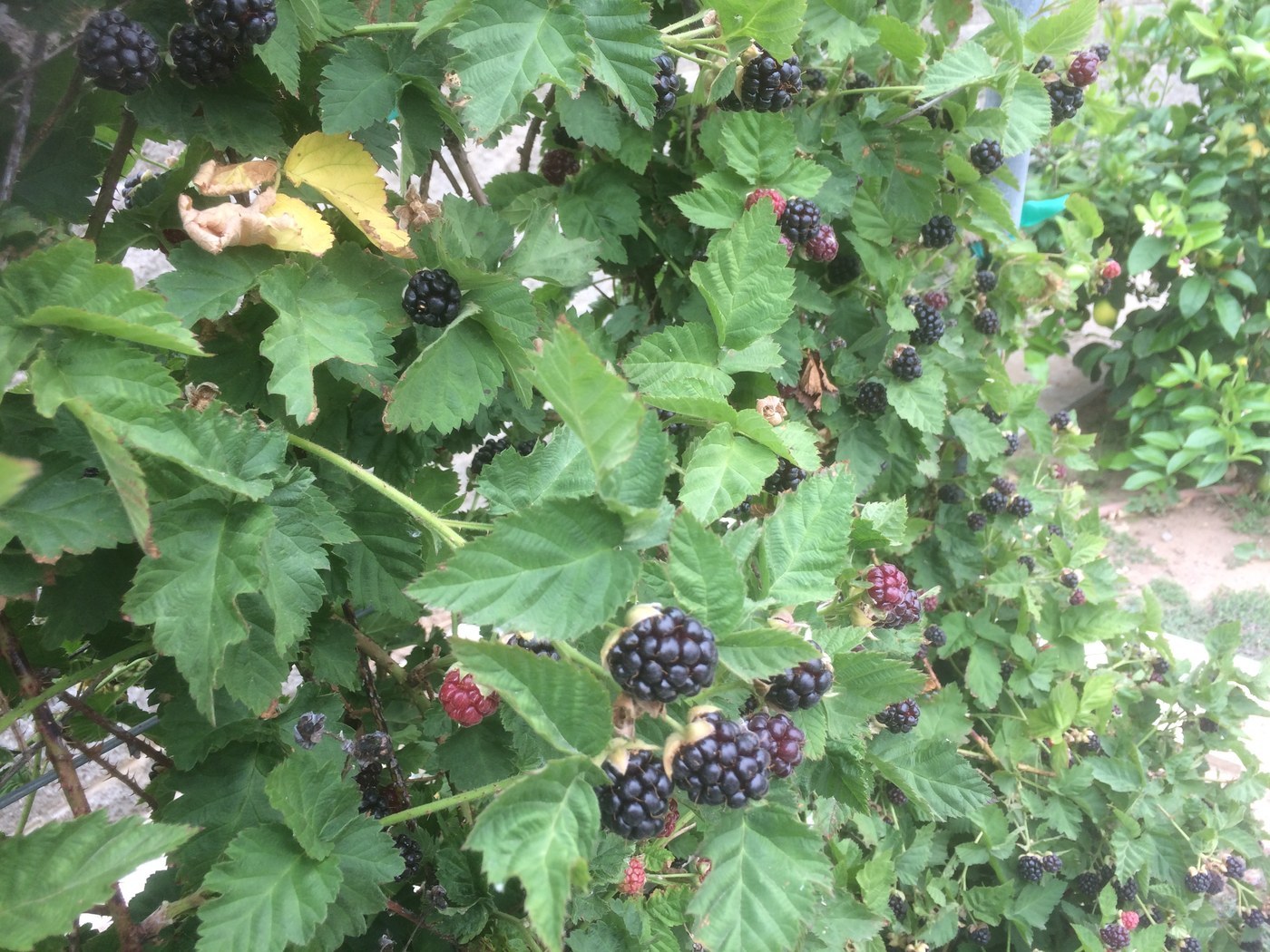
A cross of the Chehalem and Olallie blackberries, it produces medium-large, glossy black aggregate berries on long trailing canes.
Marionberries dominate Oregon's blackberry production and are grown extensively across the region's mild, moist valleys.
How to identify it
A trailing blackberry with glossy, medium-large fruit.
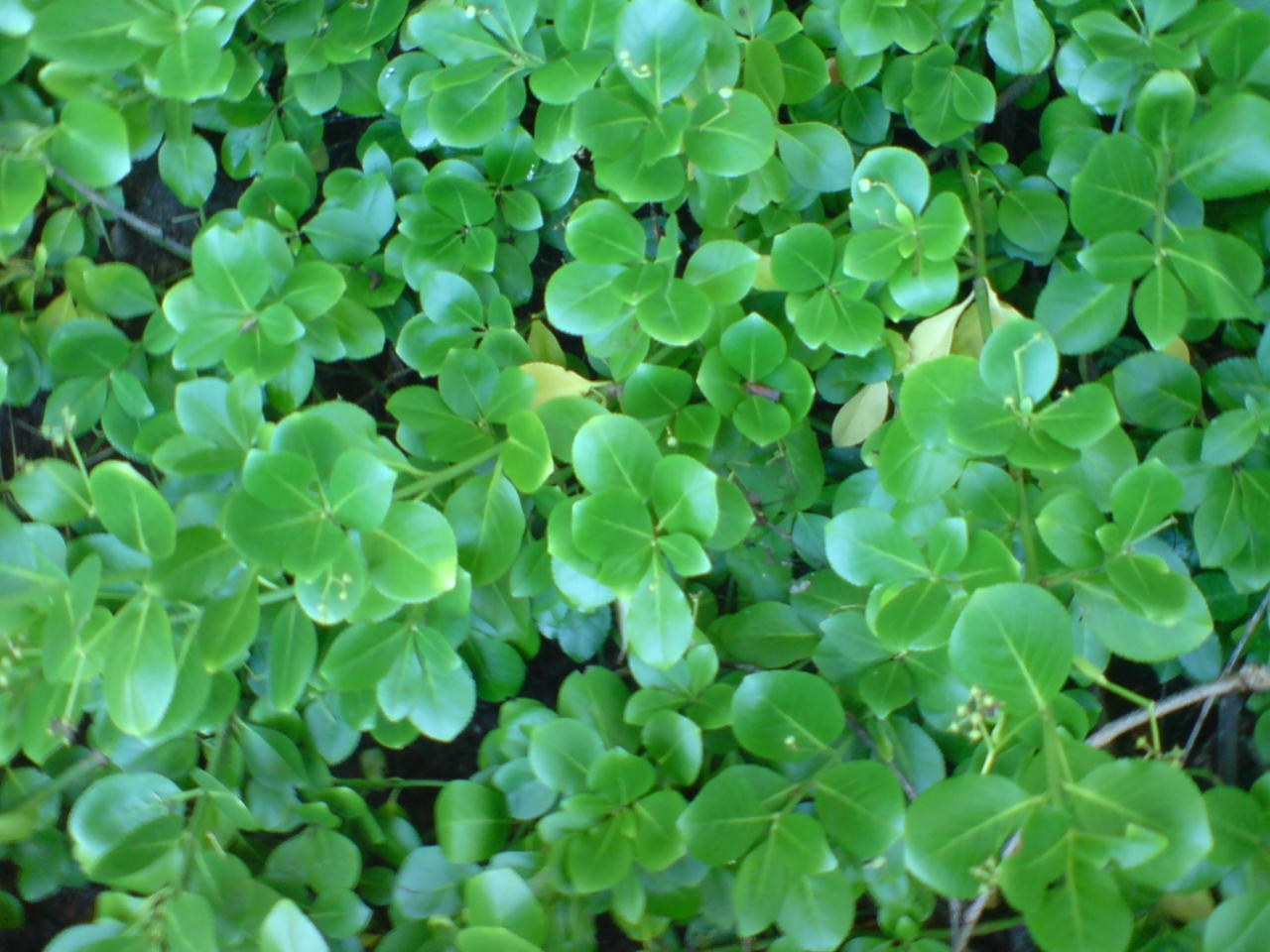
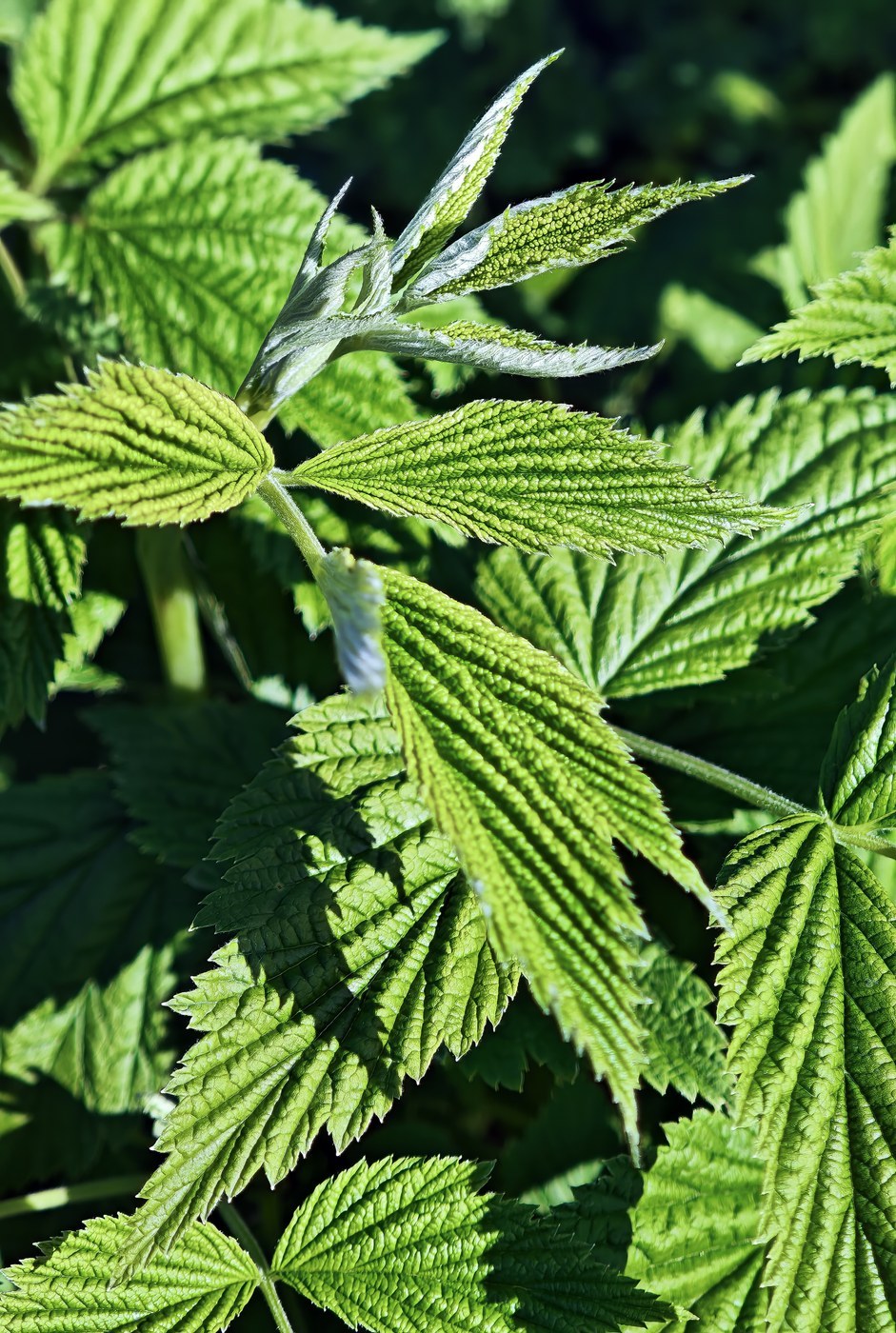
- Leaves: Compound with 3-5 toothed leaflets, deep green
- Canes: Long, trailing and thorny, requiring support
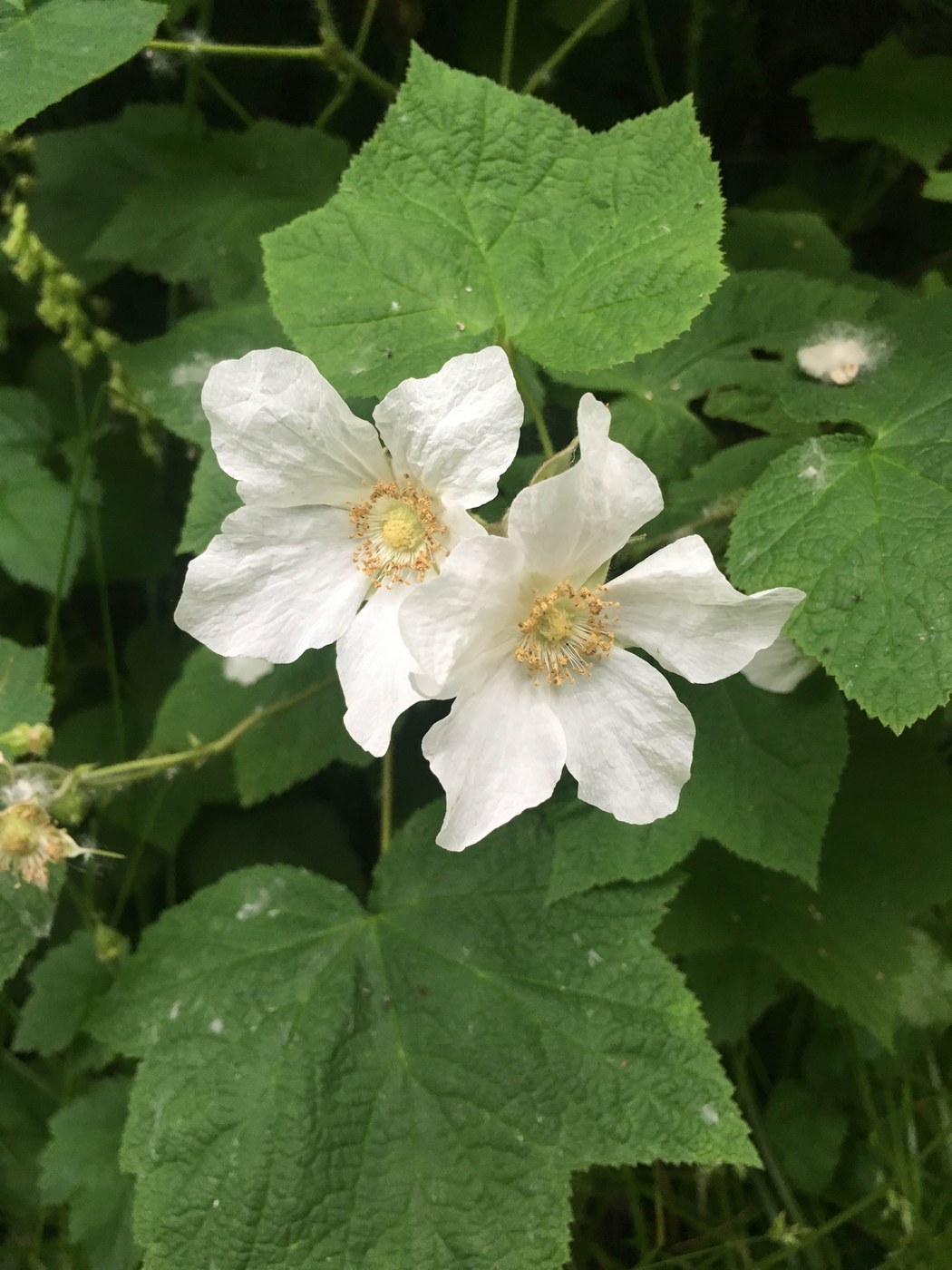
- Flowers: White to pale pink, five-petaled, in spring
- Fruit: Medium-large aggregate berries 2-3 cm, glossy black
- Size: Trailing canes 2-6 m long
Care & growing
Grown like other trailing blackberries.
- Light: Full sun for best yield
- Water: Deep, regular watering during fruit development; mulch the roots
- Soil: Fertile, well-drained, slightly acidic soil rich in organic matter
- Temperature: Suited to mild-winter temperate climates; less cold-hardy than erect blackberries
- Feeding: Balanced fertilizer in spring; avoid excess nitrogen near harvest
- Propagation: Tip layering; train canes on a trellis and remove canes that have fruited each year
Habitat & origin
The marionberry is a cultivated hybrid with no wild range, bred in Oregon's Willamette Valley.
It is grown almost entirely in the US Pacific Northwest, especially Oregon, which produces the vast majority of the world's crop. It thrives in the region's mild, moist maritime climate.
Frequently asked questions
Is a marionberry a type of blackberry?
Yes. It is a specific trailing blackberry cultivar bred in Oregon.
Where do marionberries grow?
Almost all are grown in Oregon's Willamette Valley, which has the ideal mild, moist climate.
Do marionberries have thorns?
Yes, the canes are thorny and trailing, so they are trained on trellises for easier management.
Marionberry guides
In-depth guides for identifying, growing, and caring for Marionberry.
How to Care for Marionberry
Grow vigorous Marionberry canes with full sun, deep weekly watering, sturdy trellising and smart cane pruning for healthy, productive brambles.
Marionberry Identification Guide
Identify marionberry, a Pacific Northwest blackberry cultivar, by its long trailing thorny canes, compound leaves, and large glossy black elongated berries.