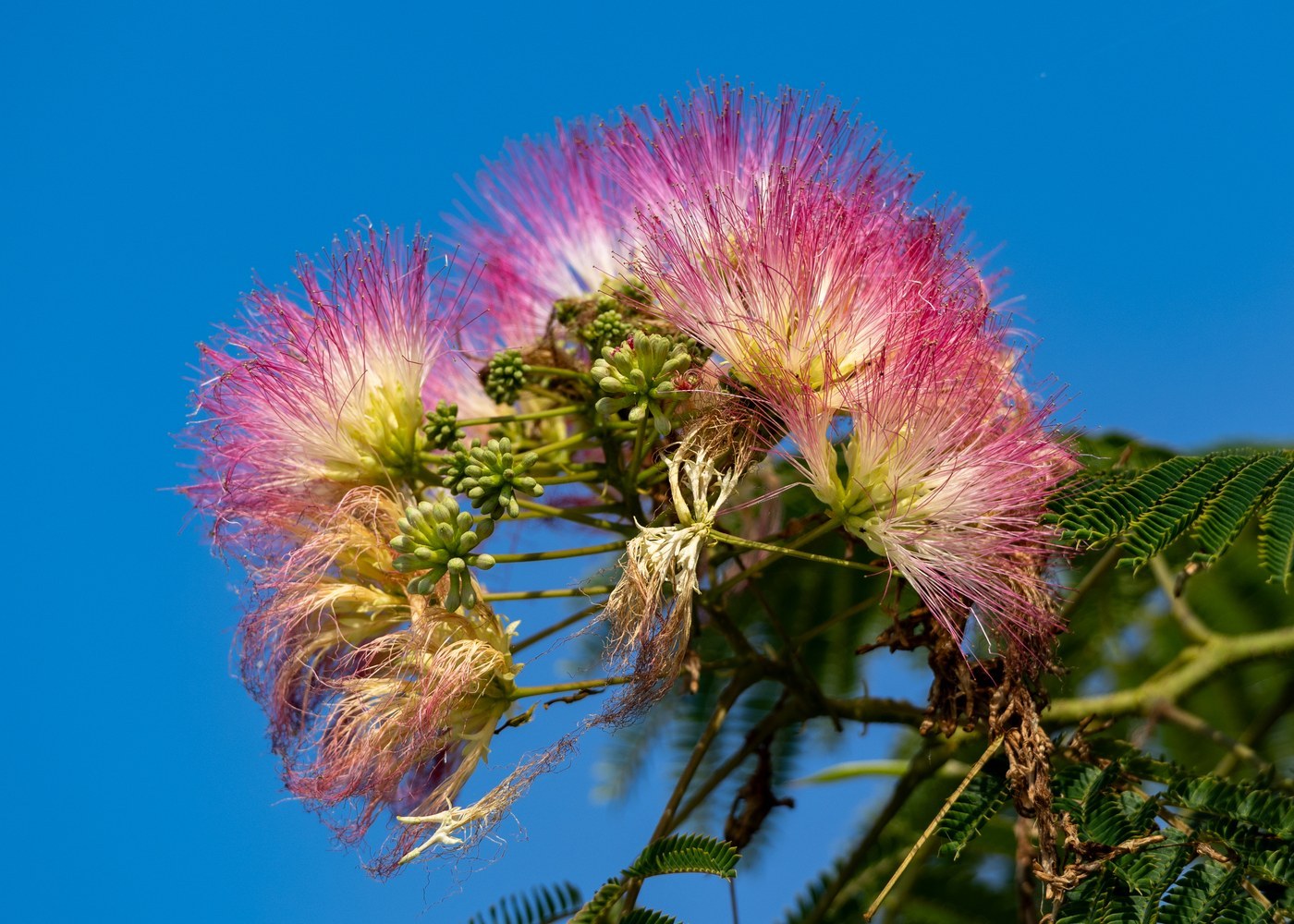
Mimosa Tree
Albizia julibrissin
A fast-growing ornamental tree with feathery fern-like leaves and fluffy pink powderpuff flowers, widely planted but invasive across the southern United States.
- Light
- Full sun
- Water
- Drought-tolerant once established
- Difficulty
- Easy
Got a plant like this?
Identify any plant from a photo, free.
Overview
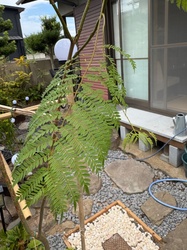
The mimosa or silk tree is an Asian legume famous for its airy, fern-like foliage and soft, fragrant pink 'powderpuff' flowers that bloom through summer. Its fast growth, tropical look, and showy blooms made it a popular landscape tree.
Those same traits, however, make it a problem: it self-seeds prolifically, sprouts readily, and has become invasive across the southeastern and central United States, where it crowds roadsides, fields, and stream corridors. It is also short-lived and prone to a fatal vascular wilt disease.
How to identify it
Powderpuff flowers and folding leaves are distinctive:
- Leaves large, bipinnately compound and fern-like, with many small leaflets that fold up at night and in rain
- Flowers silky pink powderpuffs made of long stamens, fragrant, blooming in summer
- Fruit flat, papery brown seedpods 5-8 in long that persist into winter
- Bark smooth, light gray-brown
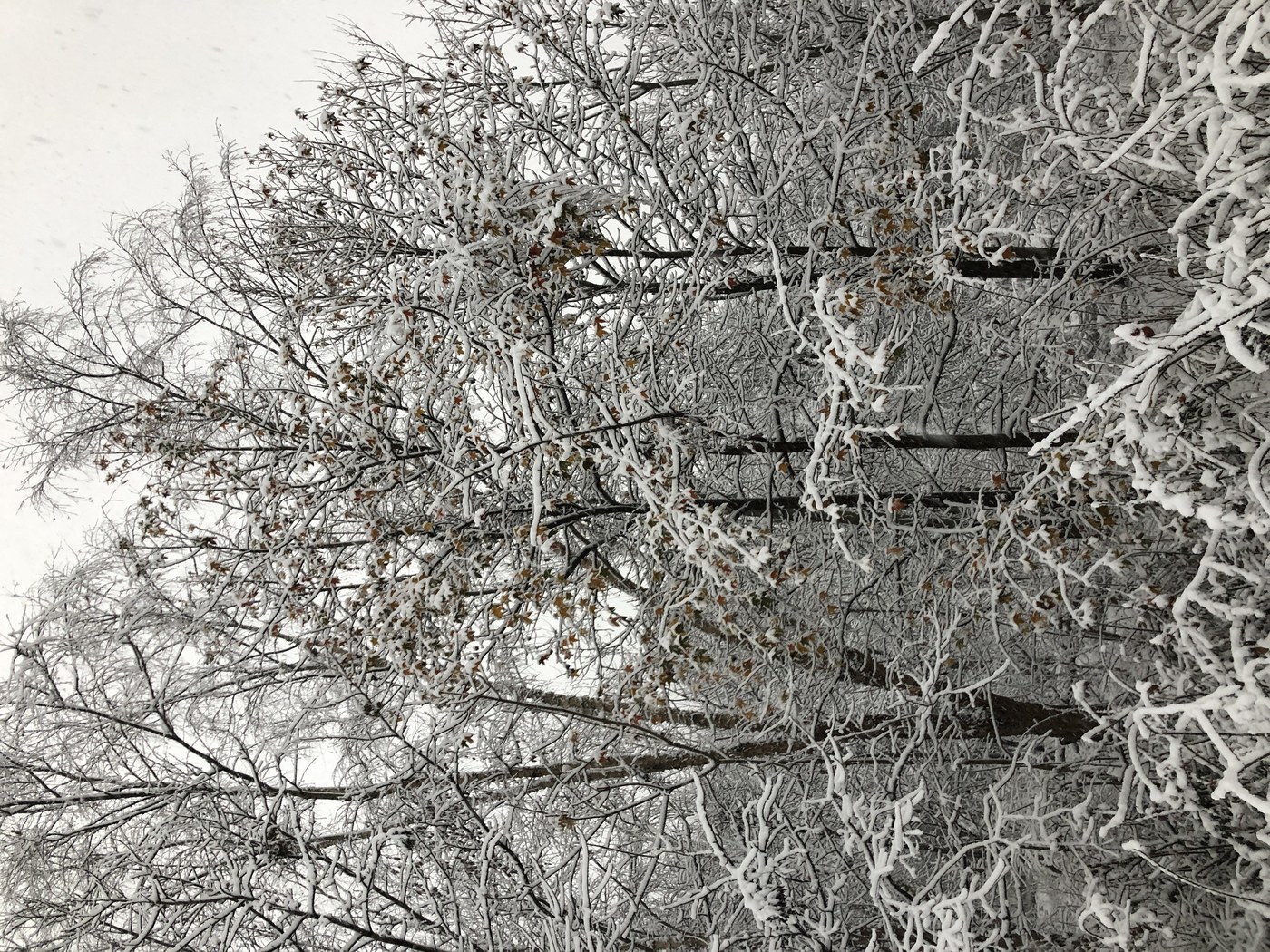
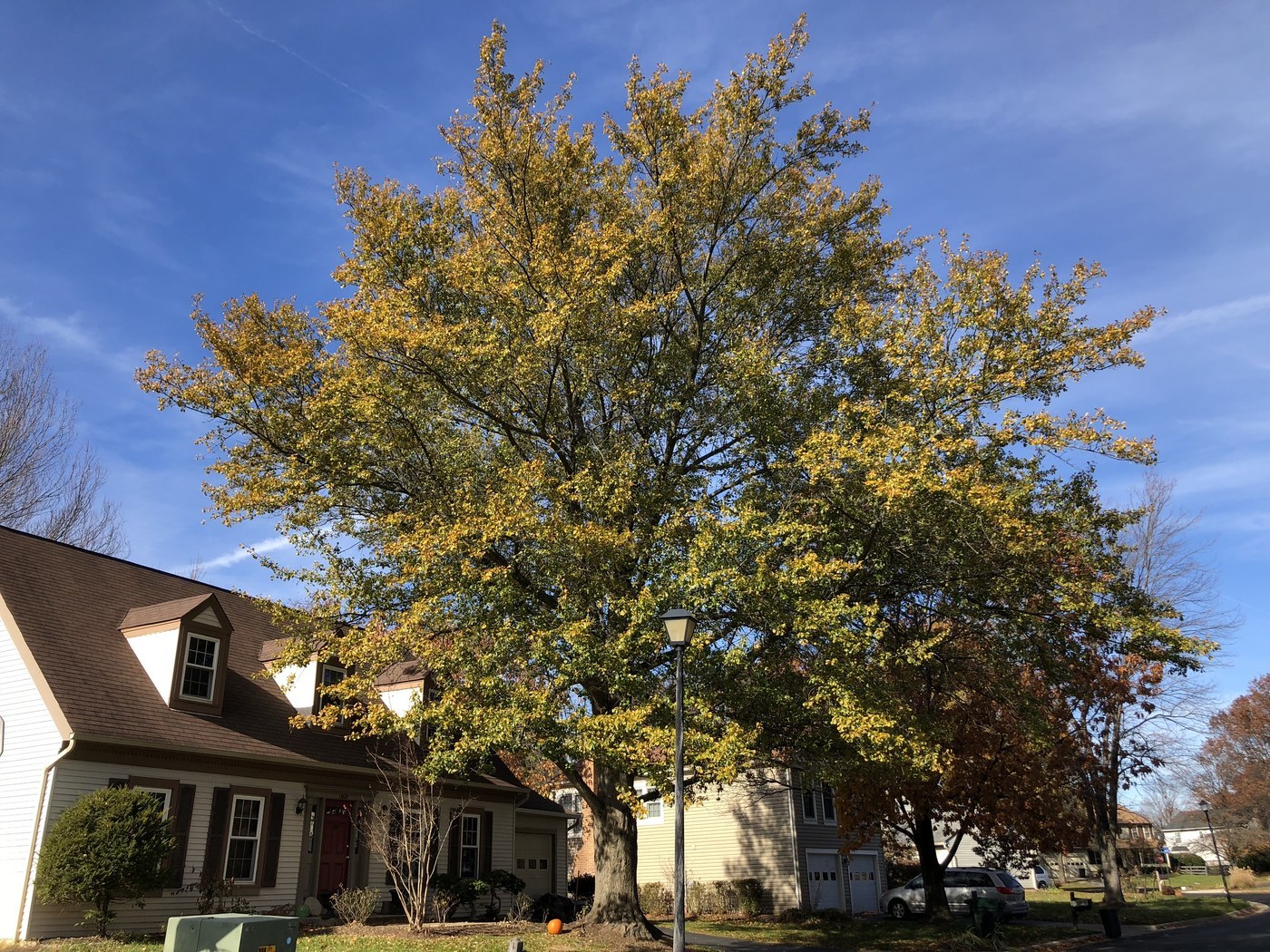
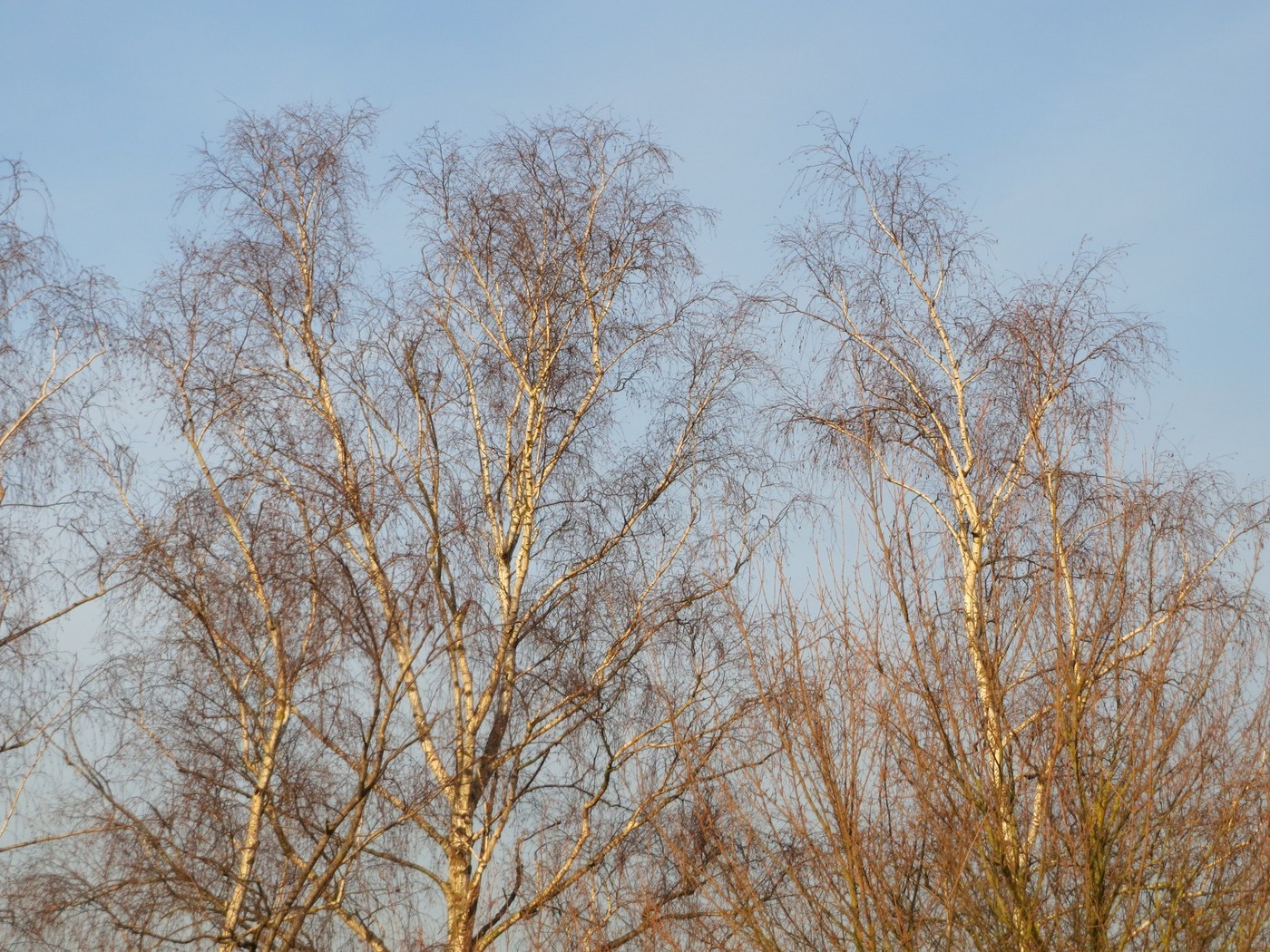
- Form low-branching, vase-shaped to umbrella-like spreading crown 20-40 ft tall
Care & growing
Easy to the point of weediness.
- Light: Full sun for best flowering
- Water: Drought-tolerant once established
- Soil: Tolerates poor, dry, and disturbed soils; very adaptable
- Temperature: Hardy in USDA zones 6-9
- Feeding: Not needed; it fixes its own nitrogen as a legume
- Propagation: Self-sows aggressively from seed and resprouts from cut stumps and roots
Note: Considered invasive in many regions — check local guidance before planting and remove seedpods to limit spread.
Habitat & origin
Native to a broad swath of Asia from Iran and the Caucasus east to China and Korea, where it grows in open woodland and disturbed ground.
Introduced to North America in the 18th century as an ornamental, it has naturalized and become invasive across the southern and eastern United States, thriving along roadsides, riverbanks, forest edges, and old fields.
Frequently asked questions
Is the mimosa tree invasive?
Yes — in much of the southeastern and central United States it self-seeds and resprouts aggressively, displacing native plants; planting is discouraged in many areas.
Why do its leaves close at night?
Like many legumes it shows nyctinasty, folding its leaflets in darkness and during rain through changes in cell turgor at the leaf bases.
How long do mimosa trees live?
They are short-lived, often only 10-20 years, and are frequently killed by mimosa vascular wilt (Fusarium).
Is it the same as the florist's mimosa?
No — the yellow florist 'mimosa' is an Acacia; this pink-flowered silk tree is Albizia julibrissin, though both are in the legume family.
Mimosa Tree guides
In-depth guides for identifying, growing, and caring for Mimosa Tree.
How to Care for Mimosa Tree
Grow the Mimosa Tree (Albizia julibrissin): a fast, drought-tough small tree with feathery leaves and silky pink summer blooms.
Mimosa Tree Identification Guide
Identify the mimosa (silk tree) by its pink powderpuff flowers, ferny bipinnate leaves that fold at night, and flat bean pods. Covers flowers, leaves, pods, look-alikes, and habitat.
Mimosa Tree identified by the community
Real specimens identified with Plant Identifier.