Ohio Buckeye
Aesculus glabra
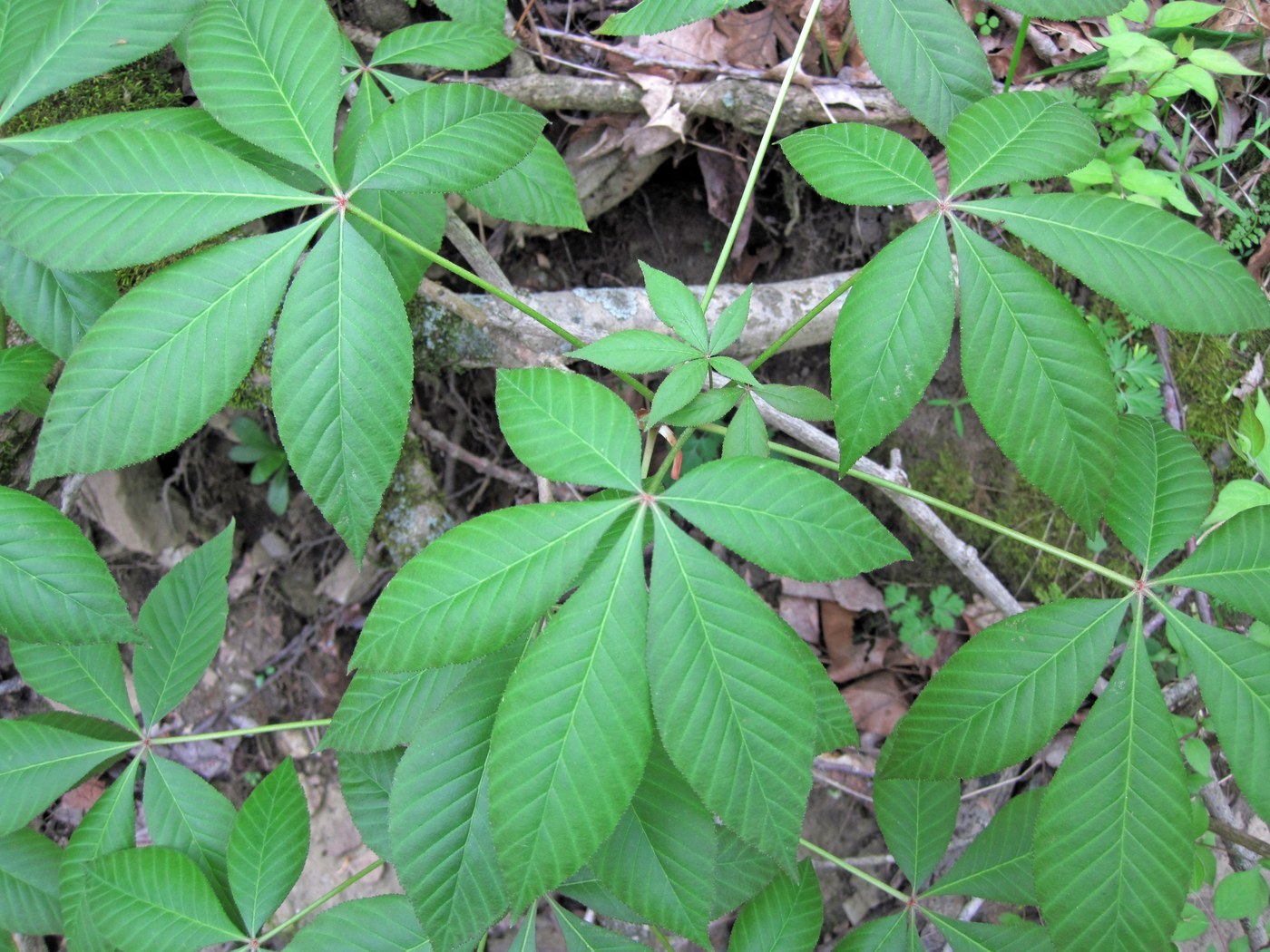
A medium native tree with palmate compound leaves, spiny husks holding glossy brown 'buckeye' seeds, and foliage that smells unpleasant when crushed.
- Light
- Full sun to part shade
- Water
- Consistently moist soil
- Difficulty
- Moderate
Got a plant like this?
Identify any plant from a photo, free.
Overview
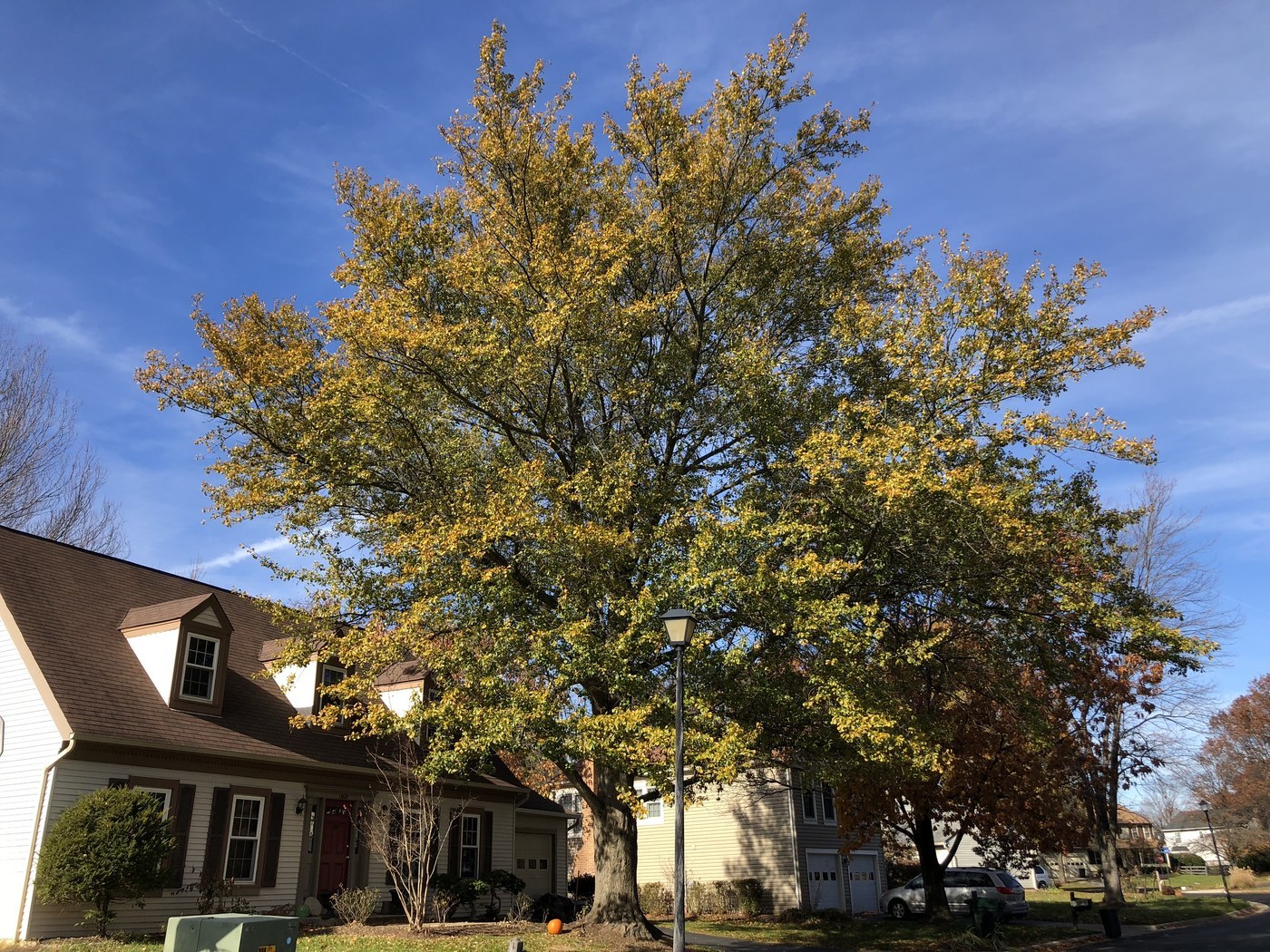
Ohio buckeye is the state tree of Ohio and a familiar medium-sized hardwood of the central United States. It is among the first trees to leaf out in spring and the first to drop its leaves in fall, often after an early orange-red color show.
It is best known for its shiny mahogany-brown seeds marked with a pale 'eye' that resemble the eye of a deer — carried by many as a good-luck charm. The crushed foliage and twigs give off a distinctly fetid odor, earning it the name 'stinking buckeye.'
How to identify it
Palmate leaves and spiny husks are diagnostic:
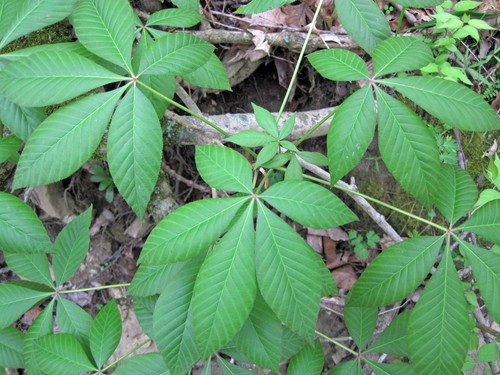
- Leaves opposite, palmately compound with usually 5 (sometimes 7) leaflets radiating from a central point; smell unpleasant when crushed
- Flowers upright greenish-yellow clusters (panicles) in spring
- Fruit rounded husk with short, soft spines/prickles enclosing 1-2 glossy brown seeds with a tan 'eye'
- Bark gray, becoming scaly and corky with age; foul-smelling when scratched
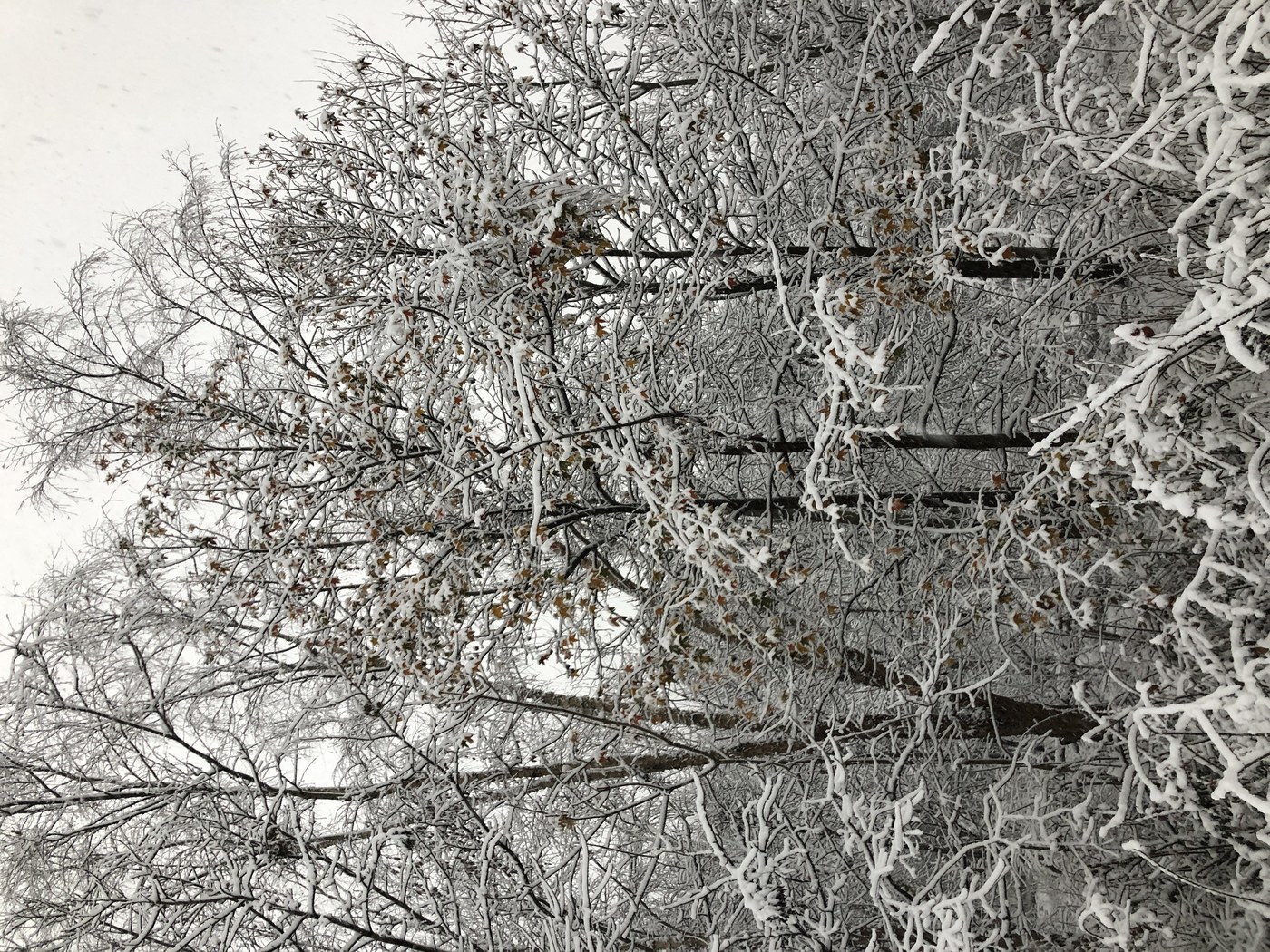
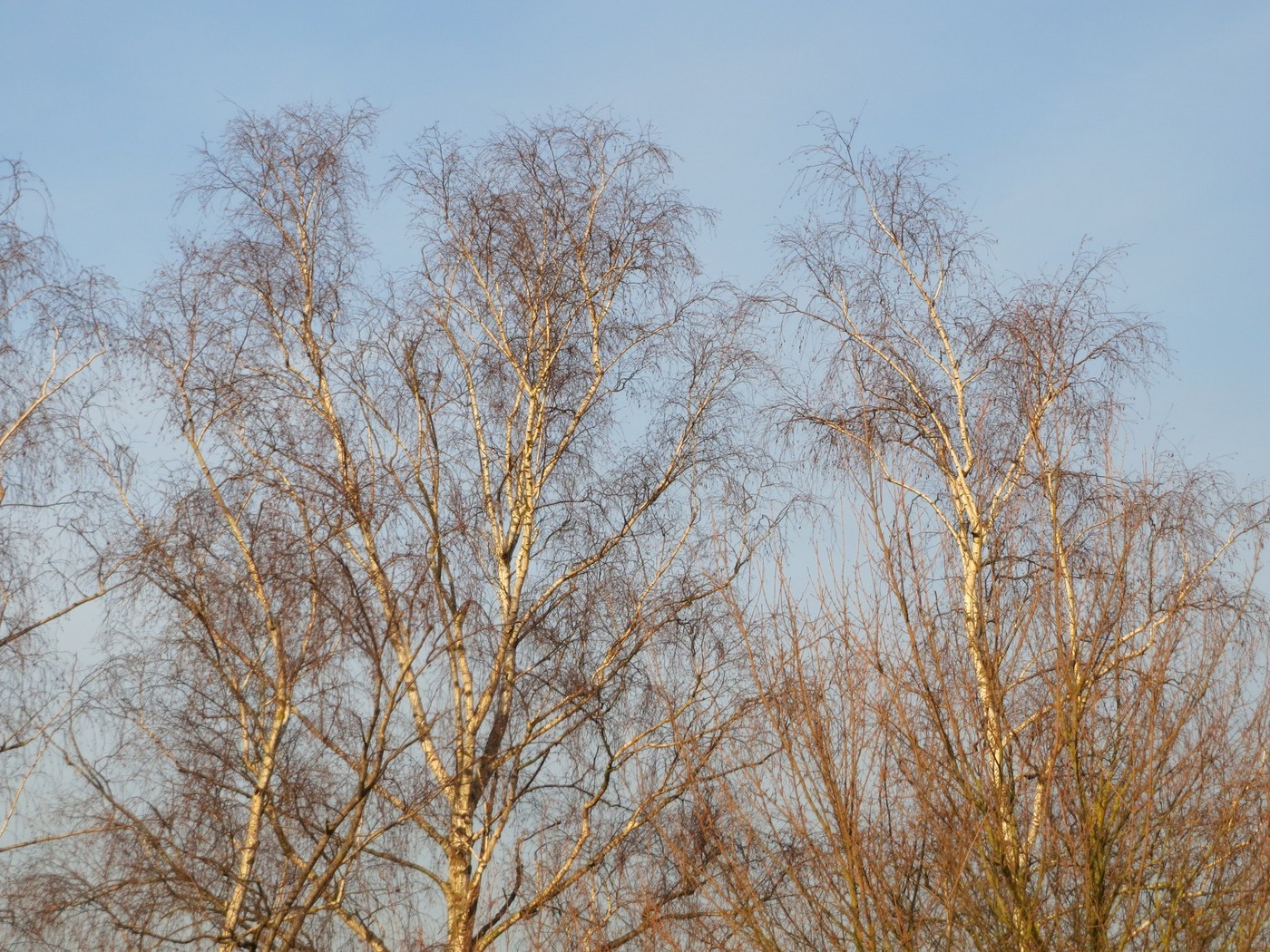
- Form rounded crown 30-50 ft tall, often branching low
Care & growing
Best with steady moisture and some shade in hot regions.
- Light: Full sun to partial shade
- Water: Prefers consistently moist soil; leaf scorch and early defoliation occur in drought
- Soil: Rich, moist, well-drained loam; common on limestone bottomlands
- Temperature: Hardy in USDA zones 3-7
- Feeding: Rarely needed in good soil
- Propagation: From fresh seed sown in fall (do not let seeds dry out); needs cold stratification
Habitat & origin
Native to the central and midwestern United States, centered on the Ohio and Mississippi River valleys from Pennsylvania and Michigan to Kansas, Oklahoma, and Texas. It grows in moist bottomlands, riverbanks, and rich woods, often on limestone soils.
It is planted as an ornamental and is celebrated culturally in Ohio, where the seeds and the tree are state symbols.
Frequently asked questions
Why is it called 'stinking buckeye'?
The crushed leaves, twigs, and bark give off an unpleasant, fetid odor.
How do I tell it from horse chestnut?
Ohio buckeye usually has 5 leaflets and softly spiny husks; common horse chestnut has 7 leaflets and stouter spines and larger seeds.
Why do the leaves drop so early?
It is sensitive to drought and heat, often scorching and shedding leaves in late summer, and is naturally one of the first trees to go dormant.
How big does Ohio buckeye get?
It is a medium tree, typically forming a rounded crown 30-50 ft tall, often branching low to the ground.
Ohio Buckeye guides
In-depth guides for identifying, growing, and caring for Ohio Buckeye.
How to Care for Ohio Buckeye
Grow Ohio Buckeye (Aesculus glabra), a hardy native shade tree with palmate leaves, spring flower spikes, and reliable autumn color.
Ohio Buckeye Identification Guide
Identify Ohio buckeye by its palmately compound five-leaflet leaves, spiny capsules holding glossy brown nuts, and foul-smelling crushed parts. Covers leaves, flowers, fruit, look-alikes, and habitat.