Orchid Tree
Bauhinia variegata
The orchid tree is a fast-growing subtropical tree with distinctive twin-lobed leaves and large, fragrant, orchid-like flowers in shades of pink, purple, and white. It is a popular flowering ornamental in warm climates.
- Light
- Full sun
- Water
- Moderate
- Difficulty
- Moderate
Got a plant like this?
Identify any plant from a photo, free.
Overview
Bauhinia variegata is a small to medium deciduous tree native to South and Southeast Asia, grown for its showy, orchid-shaped blossoms and unusual butterfly-like foliage.
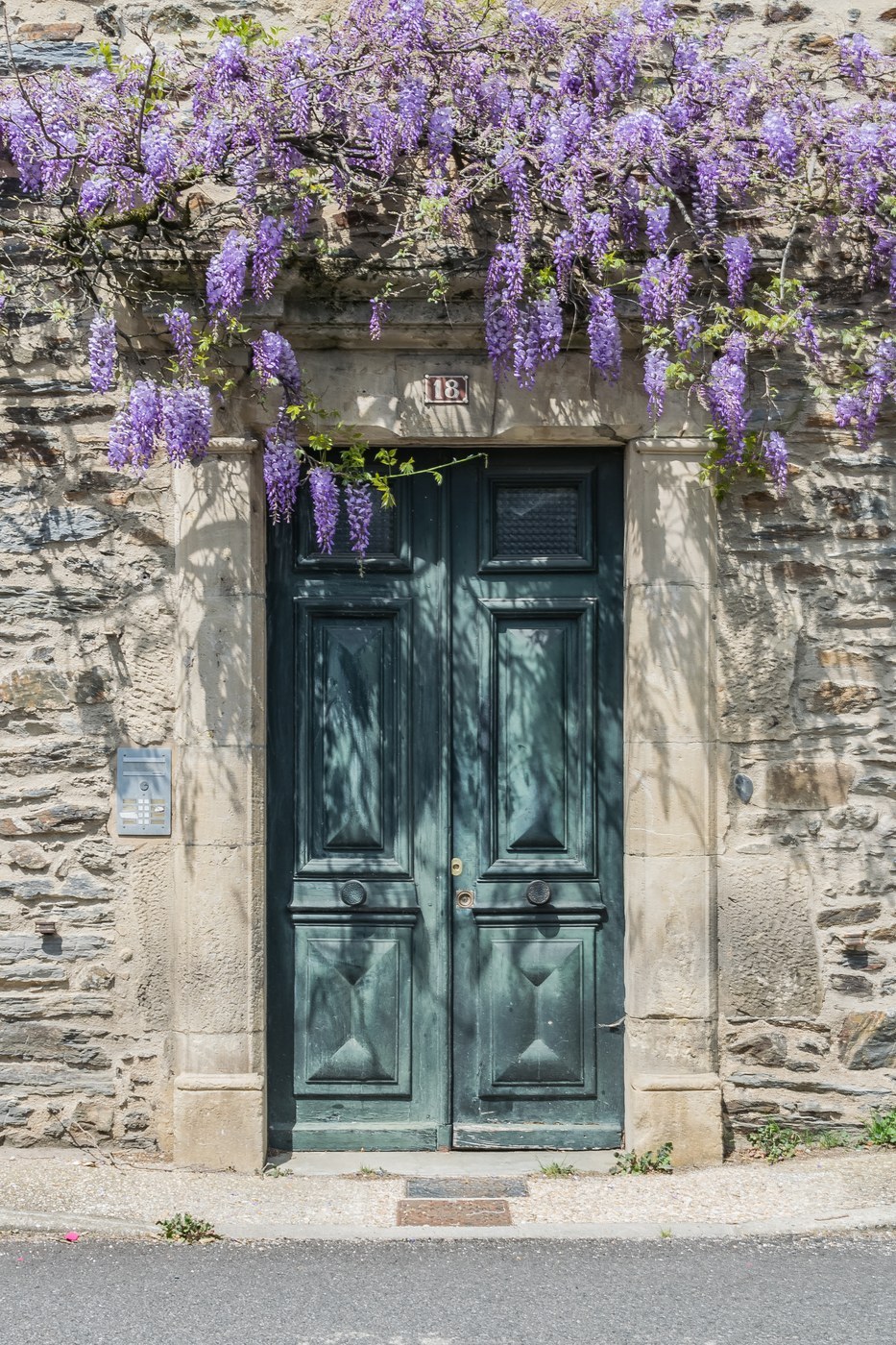
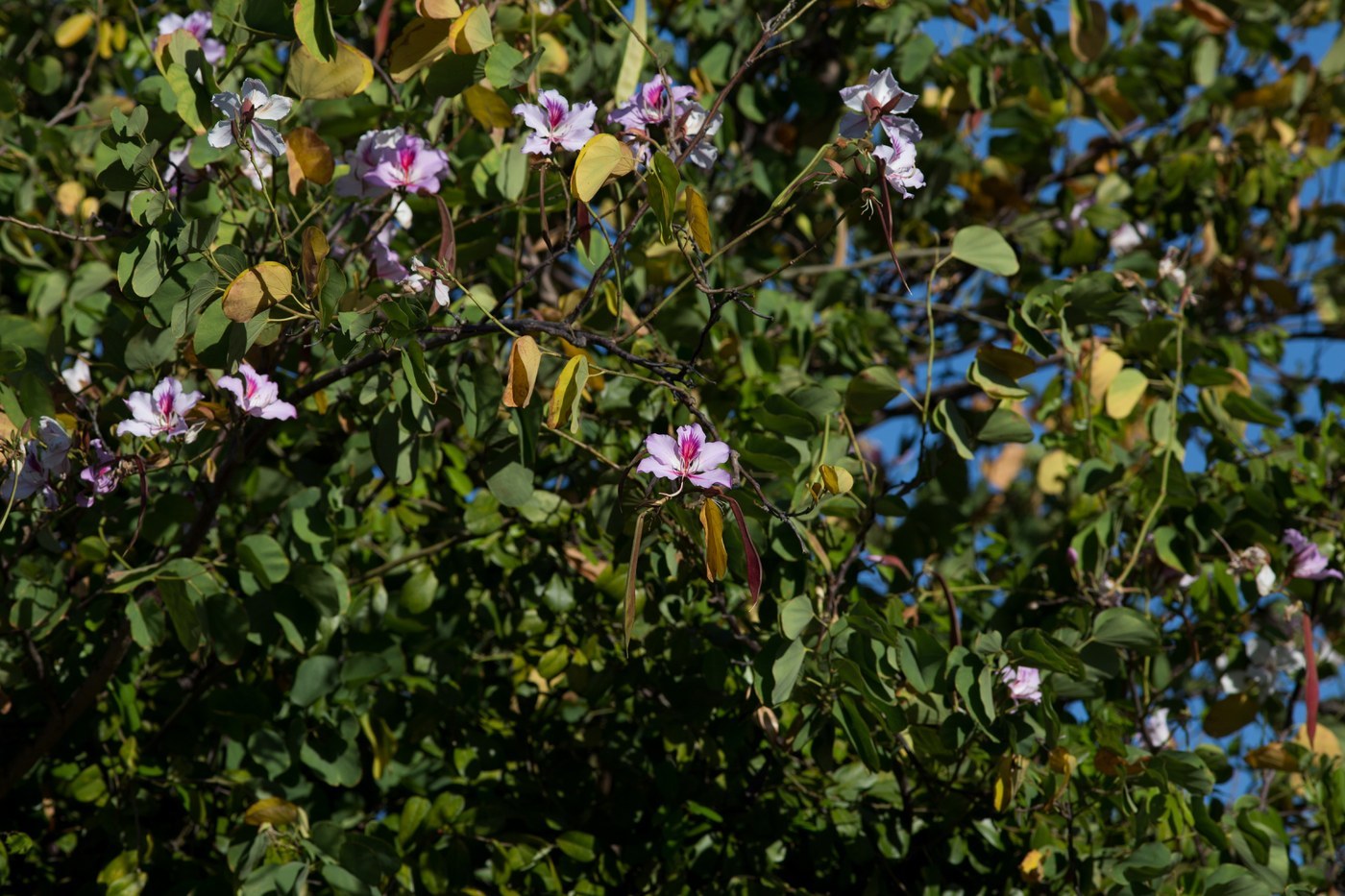
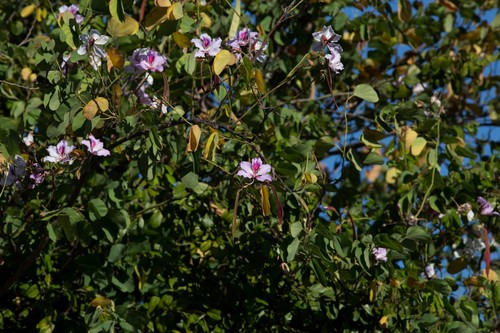
In late winter and spring it bears masses of large five-petalled flowers in pink, lavender, magenta, or white, often before the leaves fully emerge. The blooms resemble orchids and give the tree its common name.
Its leaves are unmistakable: each is deeply cleft into two rounded lobes, resembling a butterfly or camel's footprint. Fast-growing and floriferous, it is a favorite street and garden tree in the tropics and subtropics.
How to identify it
A small to medium deciduous tree reaching 6-12 m with a spreading crown.
- Leaves: distinctive, broad, two-lobed (bilobed) like a butterfly or cloven hoof, gray-green
- Flowers: large (7-12 cm), fragrant, orchid-like with five overlapping petals, in pink, purple, magenta, or white, often with darker veining
- Fruit: long, flat, woody bean-like pods
- Bark: grey-brown, smooth becoming slightly fissured
- Habit: fast-growing, often multi-trunked
Care & growing
A flowering tree for warm, frost-free climates.
- Light: full sun for best flowering
- Water: moderate; somewhat drought-tolerant once established
- Soil: well-drained soil; adaptable to many types
- Temperature: best in zones 9-11; tolerates only light frost
- Feeding: occasional feeding supports young trees
- Propagation: readily from seed; semi-hardwood cuttings and air layering also work
Habitat & origin
Native to South and Southeast Asia, from the Indian subcontinent and southern China to Myanmar, growing in sub-Himalayan forests and dry hill regions.
Widely planted as an ornamental in warm regions including India, Southeast Asia, the southern United States, and Australia. It can self-seed and become weedy in some subtropical areas such as Florida.
Frequently asked questions
Why are the leaves shaped like butterflies?
Each leaf is deeply cleft into two rounded lobes, a hallmark of Bauhinia, which is why it is sometimes called the butterfly tree or camel's foot tree.
When do orchid trees bloom?
Most bloom in late winter and spring, often heavily before the new leaves are fully out, with some sporadic flowering at other times.
Are the flowers really related to orchids?
No. Despite the orchid-like look, Bauhinia is a legume in the pea family; the resemblance is purely visual.
Orchid Tree guides
In-depth guides for identifying, growing, and caring for Orchid Tree.
How to Care for Orchid Tree
Grow Bauhinia variegata, the orchid tree, for its lush orchid-like blooms and twin-lobed leaves in warm, sunny gardens.
Orchid Tree Identification Guide
How to identify the Orchid Tree (Bauhinia) by its distinctive two-lobed butterfly leaves, orchid-like flowers, and flat woody seed pods.