Pink Trumpet Tree
Handroanthus impetiginosus
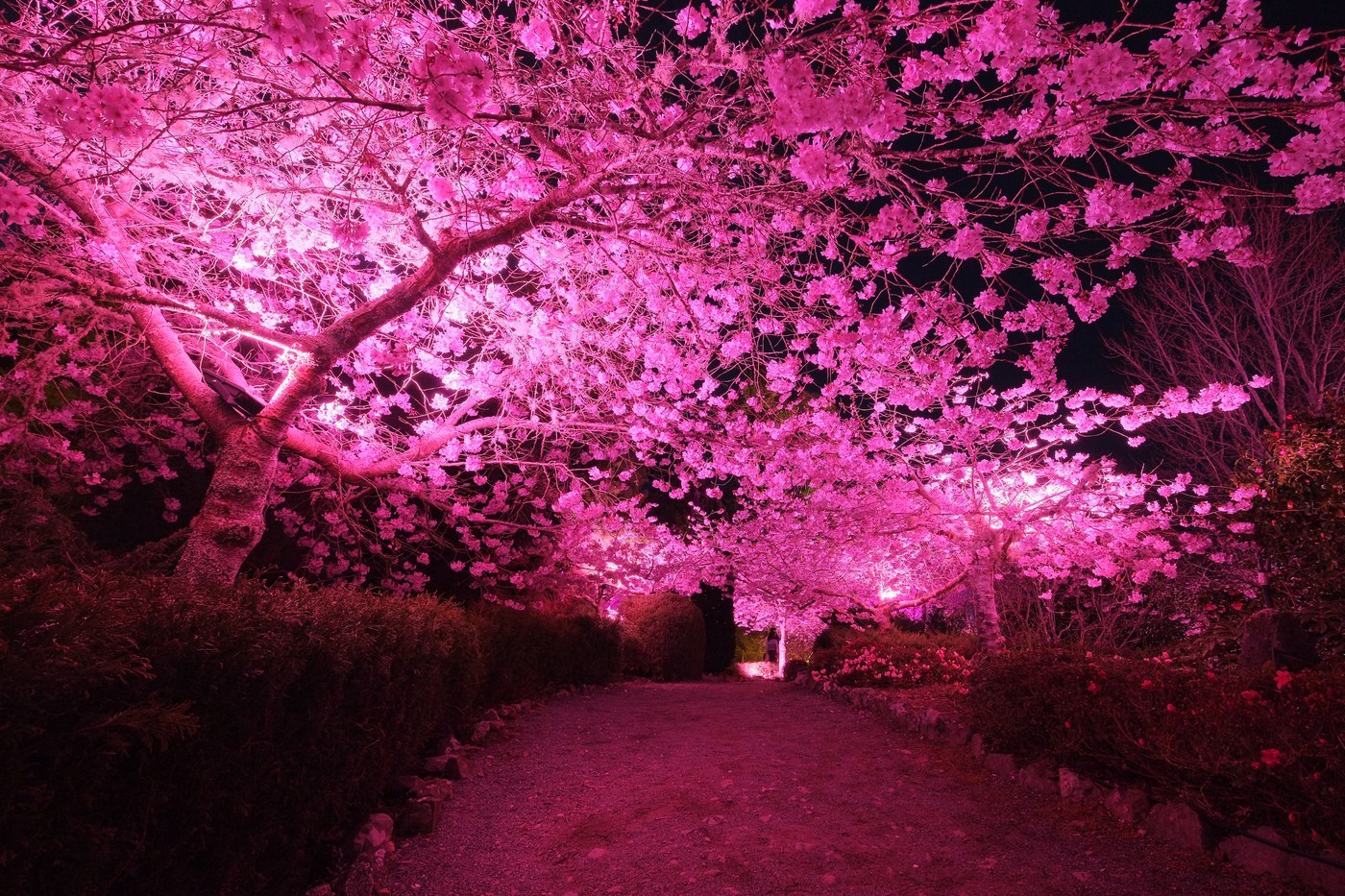
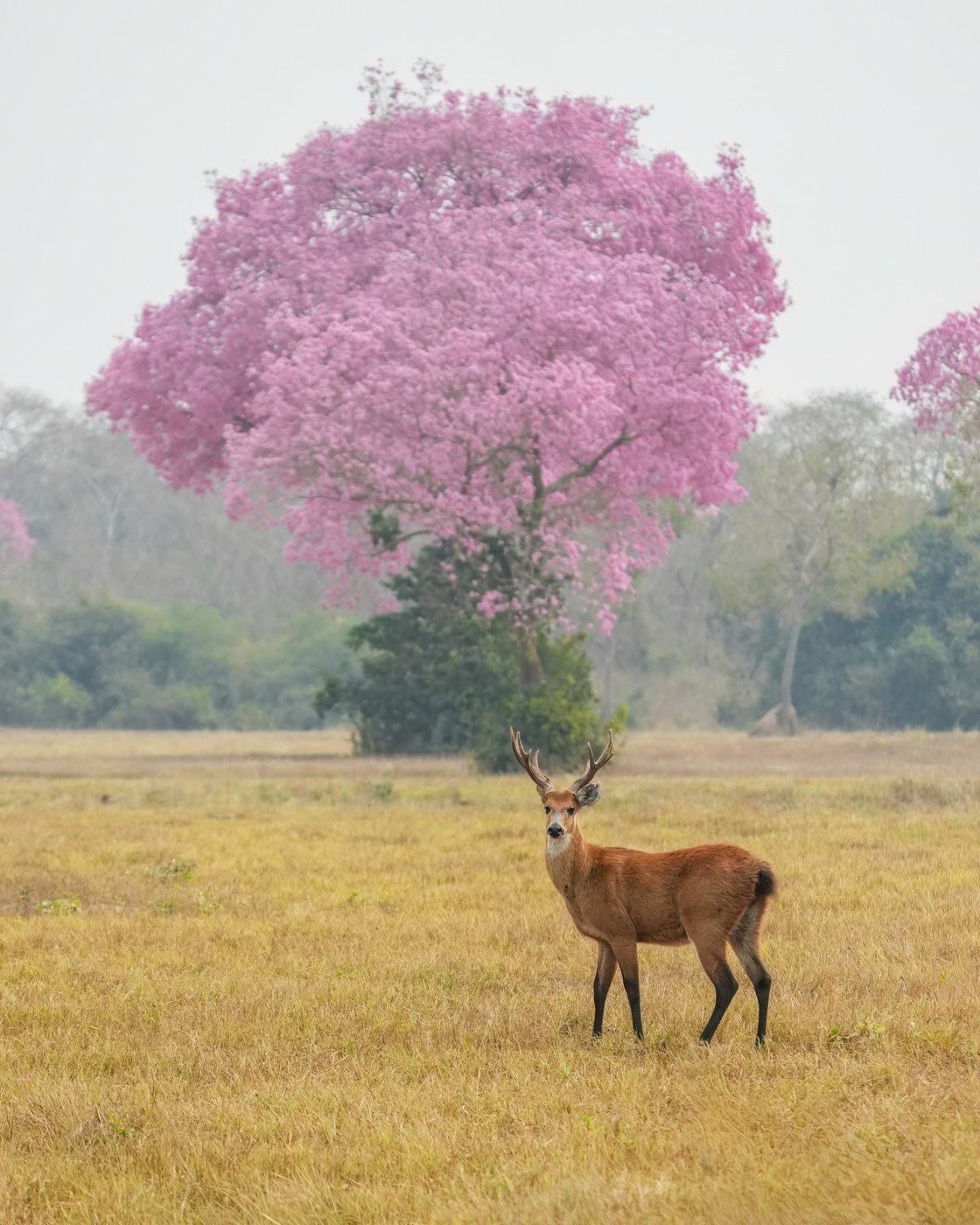
The pink trumpet tree bursts into masses of pink to magenta trumpet-shaped flowers in late winter and spring, often while leafless, creating a spectacular cloud of color. It is a popular tropical and subtropical flowering tree.
- Light
- Full sun
- Water
- Moderate; drought-tolerant once established
- Difficulty
- Easy
Got a plant like this?
Identify any plant from a photo, free.
Overview
Pink trumpet tree, Handroanthus impetiginosus (formerly Tabebuia impetiginosa), is a deciduous flowering tree renowned for blanketing itself in rosy-pink to deep magenta trumpet flowers, usually before its leaves emerge.
The related Tabebuia rosea and T. heterophylla are also called pink trumpet tree, and the names overlap in horticulture; this entry centers on the most widely planted pink-flowered Handroanthus.
Beyond its spring spectacle, the species yields the dense, durable timber sold as ipe.
How to identify it
- Flowers: clusters of 2-3 in tubular, trumpet-shaped blooms in shades of pink to magenta with a paler or yellow throat, often covering a leafless tree
- Leaves: palmately compound, with 5 oval leaflets radiating from a central point
- Fruit: long, narrow bean-like seed capsules that split to release winged seeds
- Bark: grey-brown
- Size: medium tree, commonly 25-50 ft tall with an irregular open crown
Care & growing
Light: full sun for the best flowering.
Water: moderate water during establishment; mature trees are drought-tolerant and bloom heavily after a dry, cool spell.
Soil: well-drained soil of most types; avoid waterlogged sites.
Temperature: subtropical to tropical (USDA zones 9-11); tolerates brief light frost once established but young trees are tender.
Feeding: light feeding of young trees; established trees need little.
Propagation: from seed (fast and easy) or semi-hardwood cuttings.
Habitat & origin
Handroanthus impetiginosus is native to tropical and subtropical America, ranging from Mexico through Central America into northern Argentina, in dry and seasonal forests.
It is widely planted as an ornamental street and park tree across warm regions including the southern US, Australia and Asia, and is the national tree of Paraguay (as "lapacho").
Frequently asked questions
Why does it bloom when it has no leaves?
Like many trumpet trees it is deciduous and flowers on bare branches in late winter or spring, which makes the pink display all the more striking.
How is it different from the yellow trumpet tree?
It is a closely related species with pink to magenta flowers, whereas the yellow trumpet tree (Handroanthus chrysotrichus / Tabebuia) bears golden-yellow blooms.
Can it handle frost?
Established trees tolerate brief, light frosts (zones 9-11), but young plants are tender and should be protected from freezing.
Pink Trumpet Tree guides
In-depth guides for identifying, growing, and caring for Pink Trumpet Tree.
How to Care for Pink Trumpet Tree
Grow the spectacular Pink Trumpet Tree (Handroanthus impetiginosus) in full sun with well-drained soil for its cascade of pink spring blooms.
Pink Trumpet Tree Identification Guide
Identify the pink trumpet tree (Tabebuia / Handroanthus impetiginosus) by its leafless flush of pink trumpet flowers, palmately compound leaves, and long slender pods.