Rowan
Sorbus aucuparia
The rowan, or mountain ash, is a graceful deciduous tree with feathery foliage, creamy spring flower clusters, and vivid orange-red autumn berries. Hardy and wildlife-friendly, it is rich in northern European folklore.
- Light
- Full sun to part shade
- Water
- Moderate
- Difficulty
- Easy
Got a plant like this?
Identify any plant from a photo, free.
Overview
Sorbus aucuparia, the rowan or mountain ash, is a small deciduous tree native to Europe and western Asia, valued for its year-round interest and toughness in cold, exposed places.
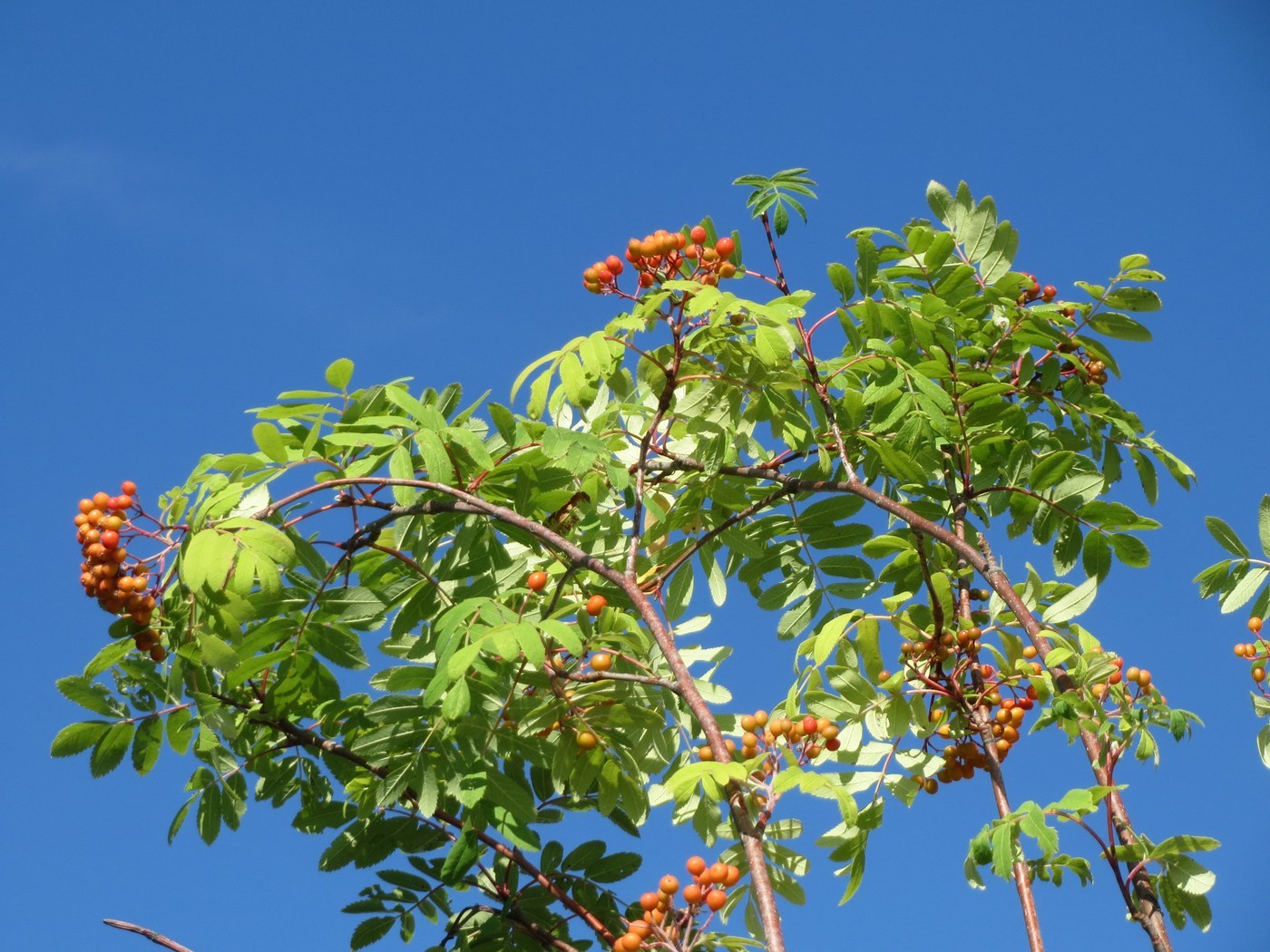
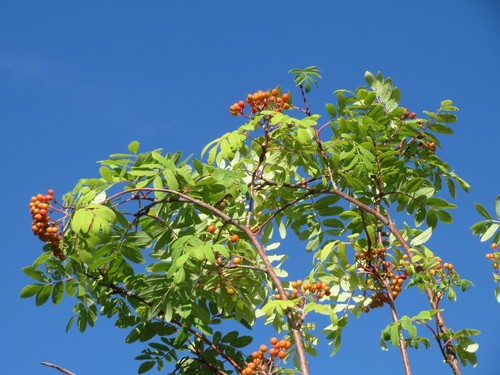
Its pinnate leaves resemble those of ash (hence mountain ash, though it is unrelated to true ash). In late spring it bears flat clusters of creamy-white flowers, followed in autumn by dense bunches of bright orange-red berries that draw flocks of birds.
Able to grow at high elevations and in poor soils, the rowan is a familiar mountain and garden tree across northern Europe. It features heavily in folklore as a protective tree warding off witchcraft.
How to identify it
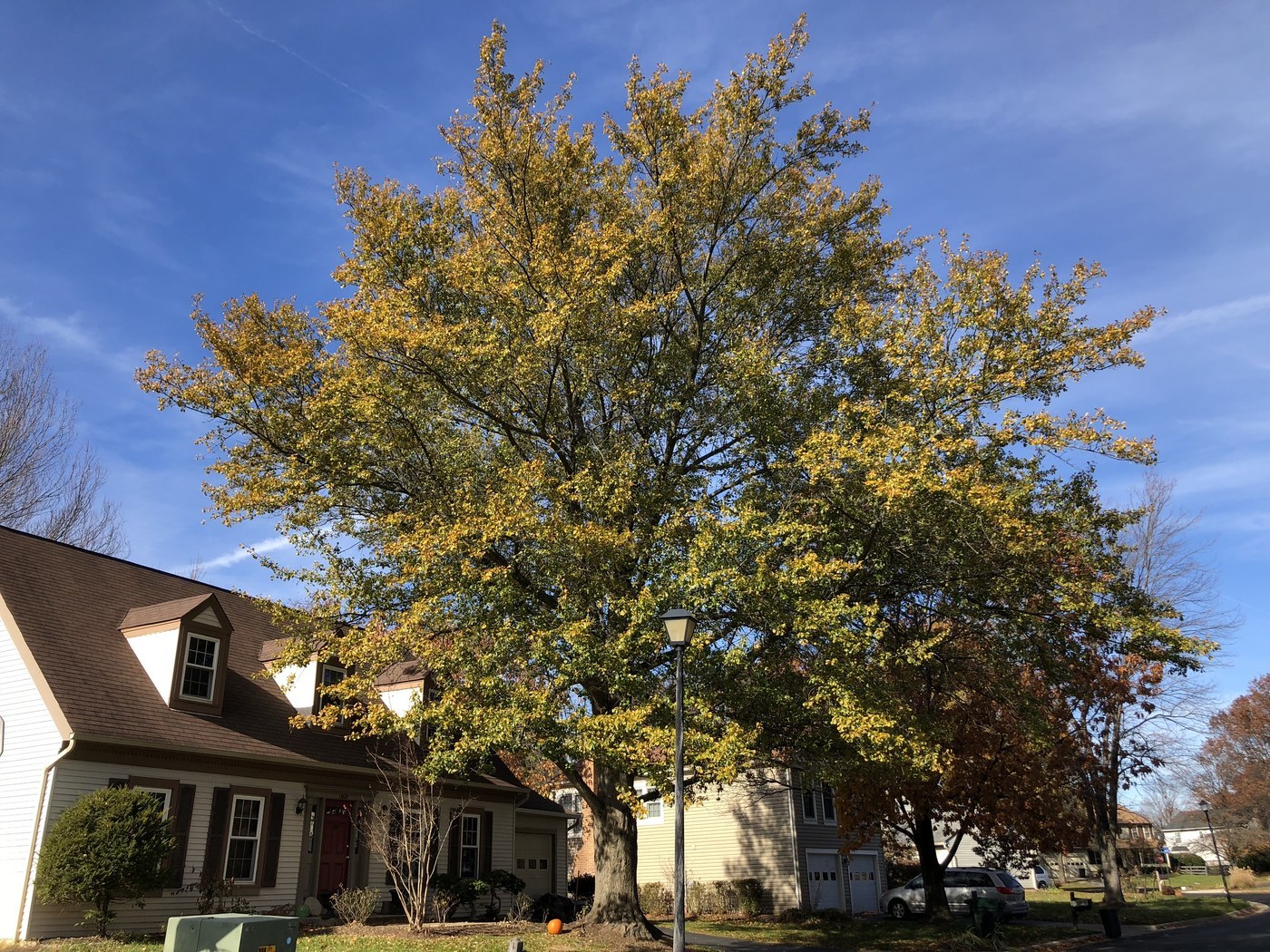
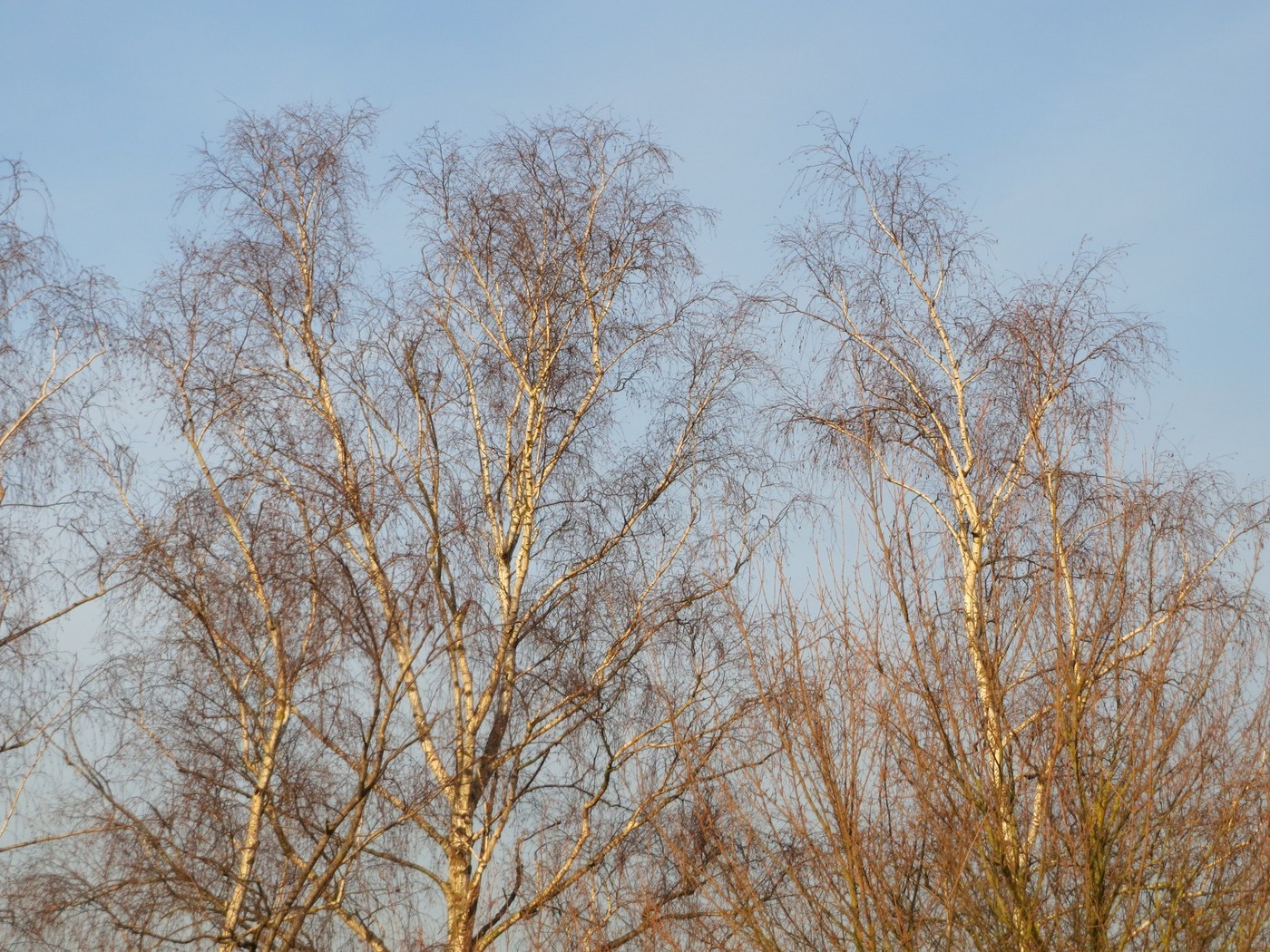
A small, slender deciduous tree typically 8-15 m tall with an open, rounded crown.
- Leaves: pinnate, with 9-15 toothed, lance-shaped leaflets, resembling ash; often coloring orange-red in autumn
- Flowers: dense, flat-topped clusters of small creamy-white blooms in late spring
- Fruit: abundant clusters of round, bright orange to scarlet berries in late summer and autumn
- Bark: smooth, shiny grey, becoming slightly fissured with age
- Habit: upright and graceful, tolerant of exposure
Care & growing
An easy, hardy tree well suited to cold and exposed gardens.
- Light: full sun to partial shade
- Water: moderate; prefers reliably moist but well-drained soil
- Soil: tolerant of poor, acidic, and rocky soils; dislikes hot, dry chalk
- Temperature: very cold-hardy, zones 3-7; thrives in cool climates
- Feeding: rarely needed
- Propagation: from seed (requires cold stratification) or by grafting for named cultivars
Habitat & origin
Native to Europe and parts of western Asia, ranging far north and into mountainous regions, where it grows on rocky slopes, in upland woods, and at high elevation, earning the name mountain ash.
Widely planted as an ornamental street and garden tree in cool-temperate regions and naturalized in parts of North America.
Frequently asked questions
Is rowan related to true ash trees?
No. Despite the name mountain ash and its ash-like leaves, rowan is in the rose family and is unrelated to true ash (Fraxinus).
Is rowan good for small gardens?
Yes, its modest size, attractive foliage, flowers, and berries make it one of the best small ornamental trees for cool climates.
Why is rowan linked to folklore?
In northern European tradition it was considered a protective tree against witchcraft and was often planted near houses and gates.
When do the berries appear?
Dense clusters of round, bright orange to scarlet berries develop in late summer and autumn, drawing flocks of birds.
Rowan guides
In-depth guides for identifying, growing, and caring for Rowan.
How to Care for Rowan
Grow Sorbus aucuparia, a hardy, easy deciduous tree with feathery foliage, spring flower clusters, and vivid autumn berries for compact gardens.
Rowan Identification Guide
How to identify Rowan (Sorbus aucuparia, mountain ash) by its feathery pinnate leaves, flat white flower clusters, and bunches of orange-red berries.