Silver Fir
Abies alba
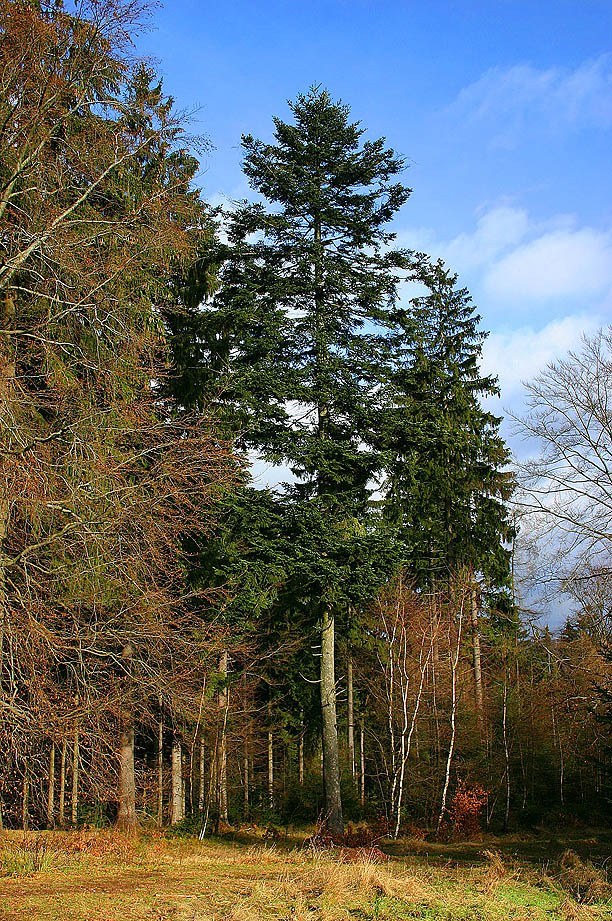
Silver Fir is a tall European forest conifer with flat, glossy needles bearing two silvery bands beneath. It was the original Christmas tree of central Europe and is an important timber species.
- Light
- Full sun to part shade
- Water
- Moist, well-drained soil
- Difficulty
- Moderate
Got a plant like this?
Identify any plant from a photo, free.
Overview
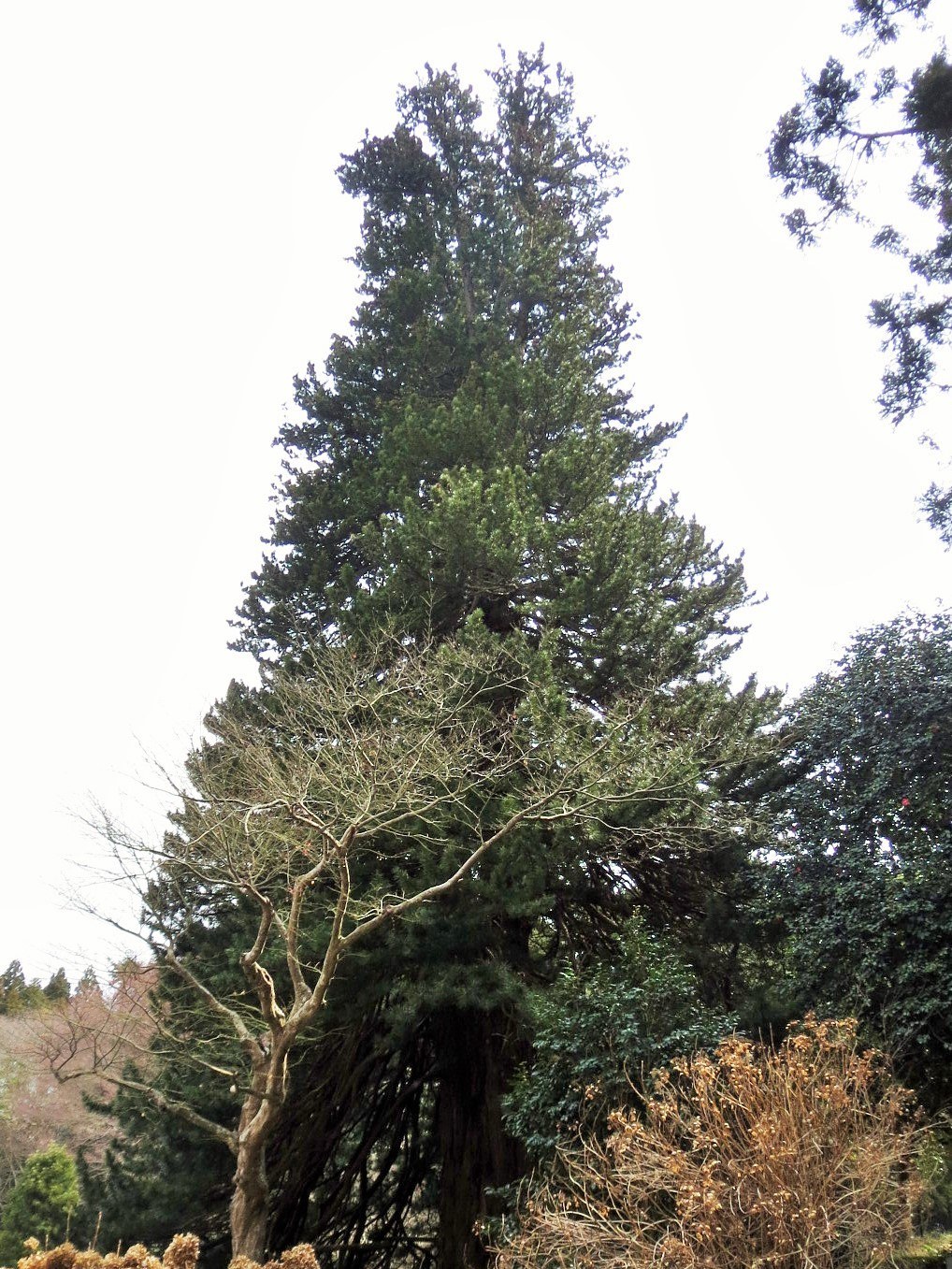
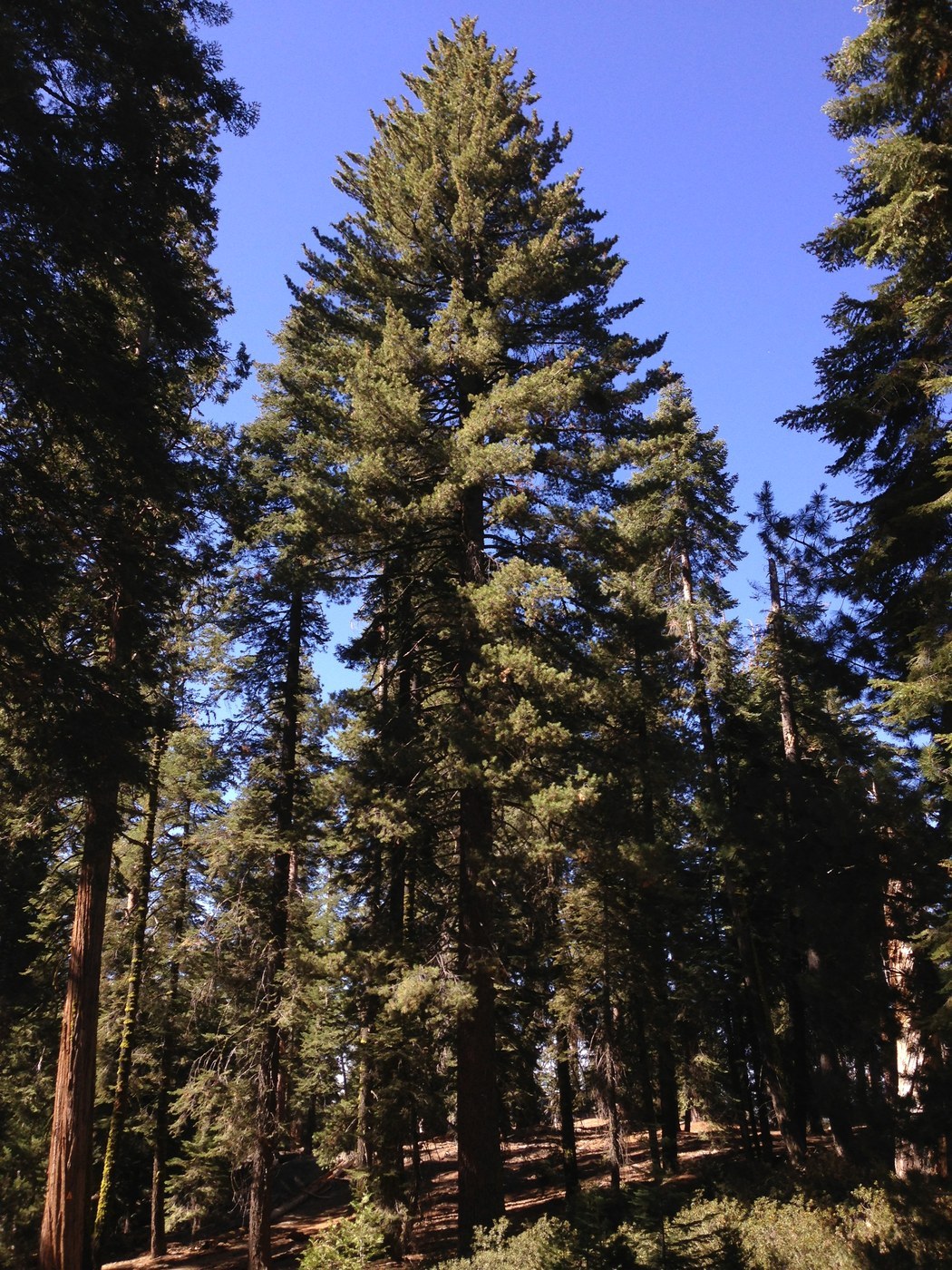
Silver Fir (Abies alba) is a large evergreen conifer native to the mountains of central and southern Europe. It is one of the tallest native European trees, historically reaching over 50 m, and is named for the silvery undersides of its needles and its pale grey bark.
It was the traditional Christmas tree across much of Europe before the Nordmann and Norway spruce became dominant, and it remains a major forestry and timber species.
How to identify it
- Needles: Flat, blunt-tipped, 2-3 cm, dark glossy green above with two white stomatal bands beneath; arranged in two rows (comb-like) on the shoot
- Cones: Upright cylindrical cones 10-16 cm, greenish then brown, with protruding bracts; they break apart on the tree
- Habit: Tall, straight, conical; commonly 40-50 m, with a flattened or stork's-nest crown in old age
- Bark: Smooth grey-silver when young, becoming cracked and scaly
- The silvery needle undersides and smooth grey bark give it its common name
Care & growing
Light: Tolerant of shade when young; full sun to part shade.
Water: Prefers consistently moist, deep soil; dislikes drought and poor drainage.
Soil: Deep, fertile, well-drained loam; tolerates a range of pH.
Temperature: Hardy to USDA zone 4-5; prefers cool, humid montane climates and is sensitive to late frosts and air pollution.
Feeding: Generally not needed in suitable forest soils.
Propagation: Grown from seed; needs cold stratification.
Habitat & origin
Native to the mountains of central, southern, and eastern Europe, including the Pyrenees, Alps, Apennines, Carpathians, and Balkan ranges, typically forming forests at 500-1,700 m elevation.
It thrives in cool, humid montane climates, often mixed with beech and spruce. It is widely grown in forestry plantations and parks across temperate Europe.
Frequently asked questions
How do I tell Silver Fir from spruce?
Fir needles are flat, blunt, attach with a sucker-like base, and leave smooth round scars; spruce needles are four-sided, sharp, and sit on peg-like bases. Fir cones also stand upright and disintegrate on the tree.
Is Silver Fir a good Christmas tree?
It was the traditional European choice, though it drops needles faster than Nordmann fir, which has largely replaced it commercially.
How tall does it grow?
It is one of Europe's tallest trees, commonly 40-50 m and occasionally taller in old forests.
What is it used for?
Construction timber, paper pulp, resin (Strasbourg turpentine), and as an ornamental and historical Christmas tree.
Silver Fir guides
In-depth guides for identifying, growing, and caring for Silver Fir.
How to Care for Silver Fir
Grow the majestic Silver Fir (Abies alba) as a stately evergreen conifer in cool climates with moist, well-drained, slightly acidic soil.
Silver Fir Identification Guide
How to identify European silver fir (Abies alba) by its flat, white-banded needles, upright disintegrating cones, and tall straight trunk. Covers needles, bark, cones, and look-alikes.