Black Walnut
Juglans nigra
A large, valuable native hardwood prized for its rich, dark timber. Its roots release juglone, a compound that inhibits the growth of many nearby plants.
- Light
- Full sun
- Water
- Moderate; deep moist soil
- Difficulty
- Moderate
Got a plant like this?
Identify any plant from a photo, free.
Overview
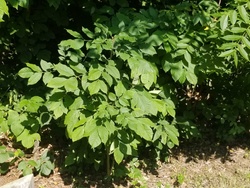
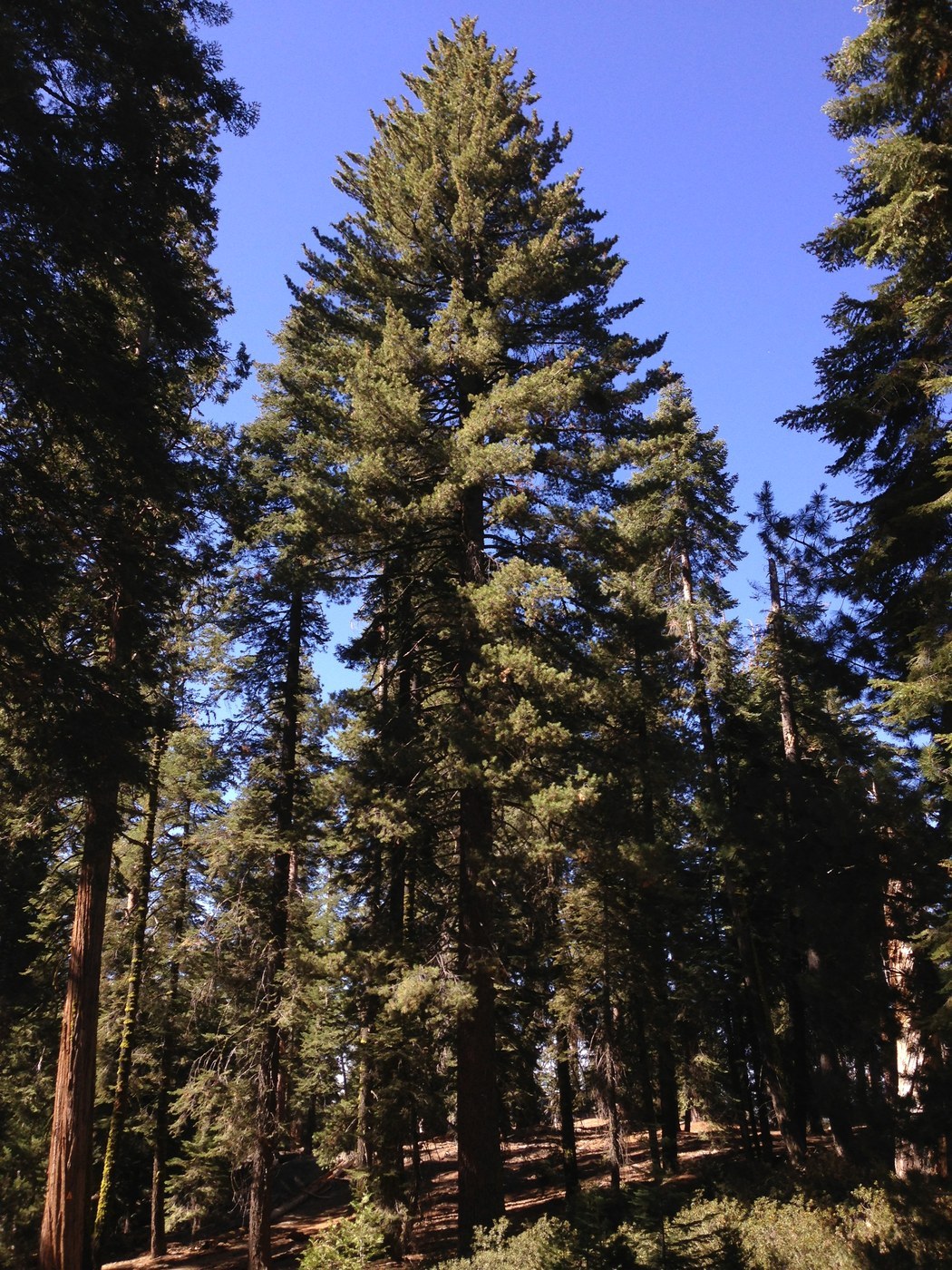
Black walnut is a large deciduous hardwood native to eastern North America, esteemed for its highly prized dark, strong timber.
The tree forms a tall, straight trunk and an open, rounded crown of compound leaves. It is notable for producing juglone, an allelopathic chemical concentrated in its roots, hulls and leaves that suppresses the growth of many sensitive plants nearby.
Its wood is among the most valuable of any North American tree, making mature trees a long-term investment for landowners.
How to identify it
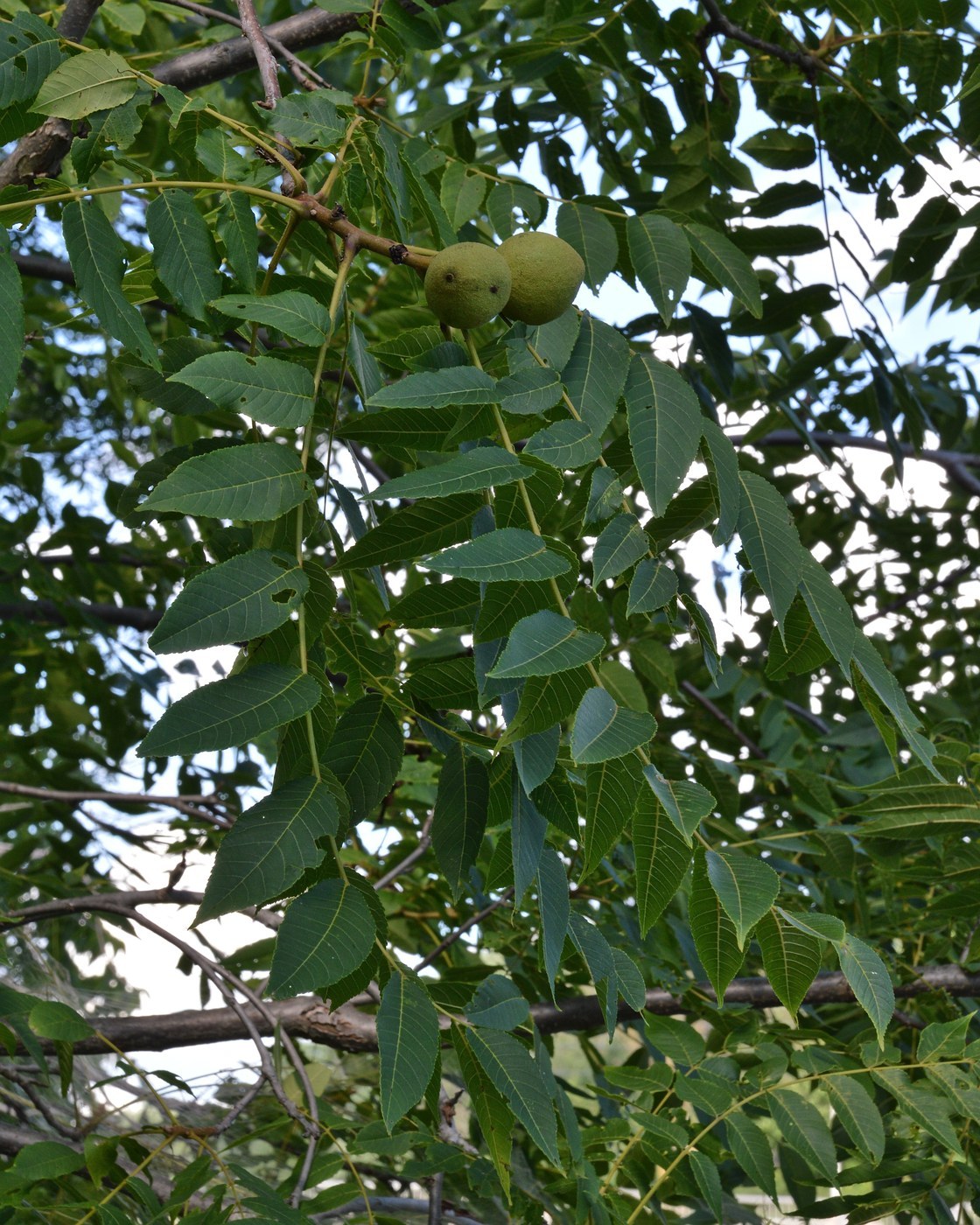
- Leaves: large, alternate, pinnately compound with 15-23 finely toothed leaflets; aromatic when crushed; turn yellow in fall
- Fruit: round green husk 1.5-2.5 in enclosing a hard, deeply ridged nut; husks stain skin and surfaces dark brown
- Bark: dark gray-brown, deeply furrowed into a diamond pattern
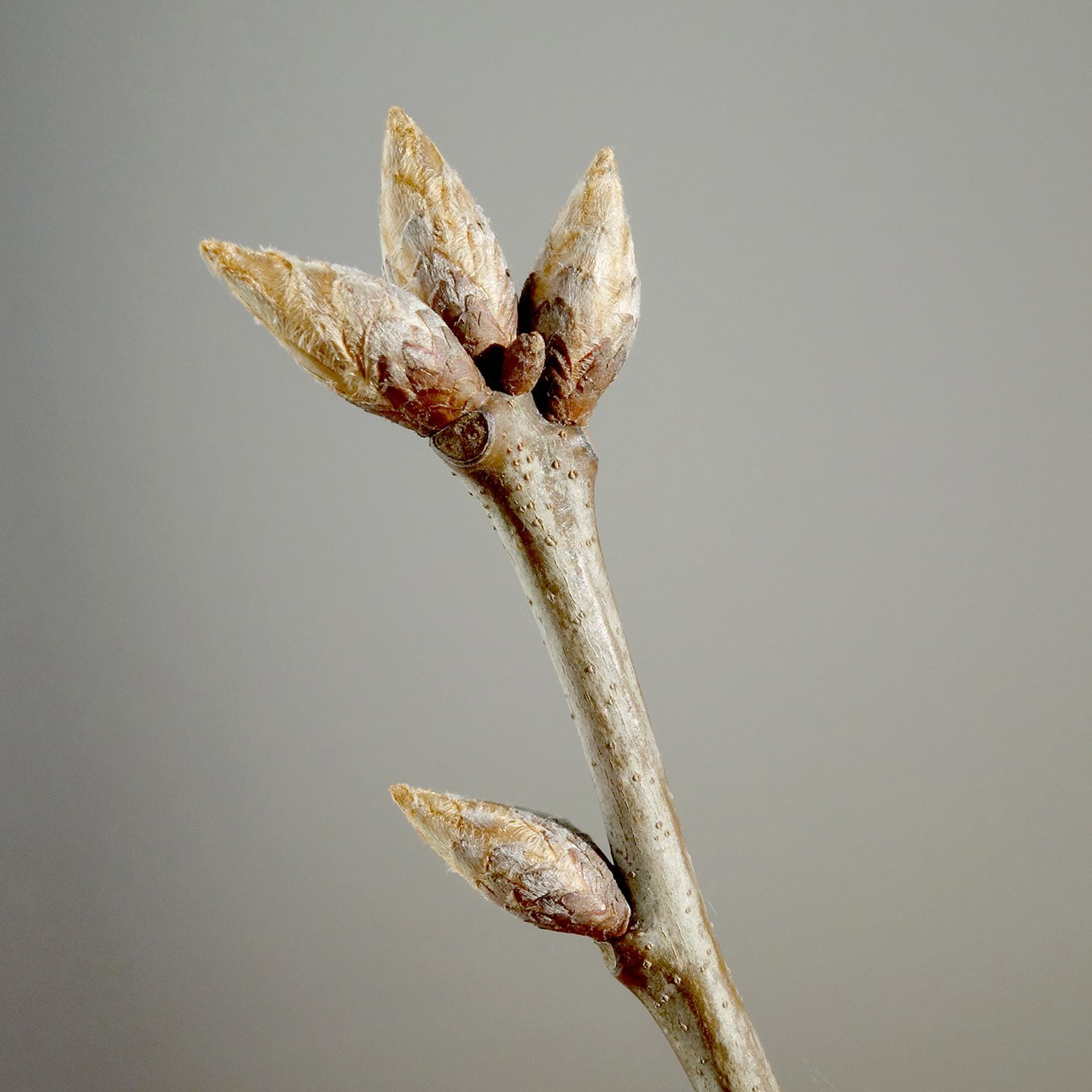
- Twigs: chambered (ladder-like) pith when cut lengthwise—a key ID feature
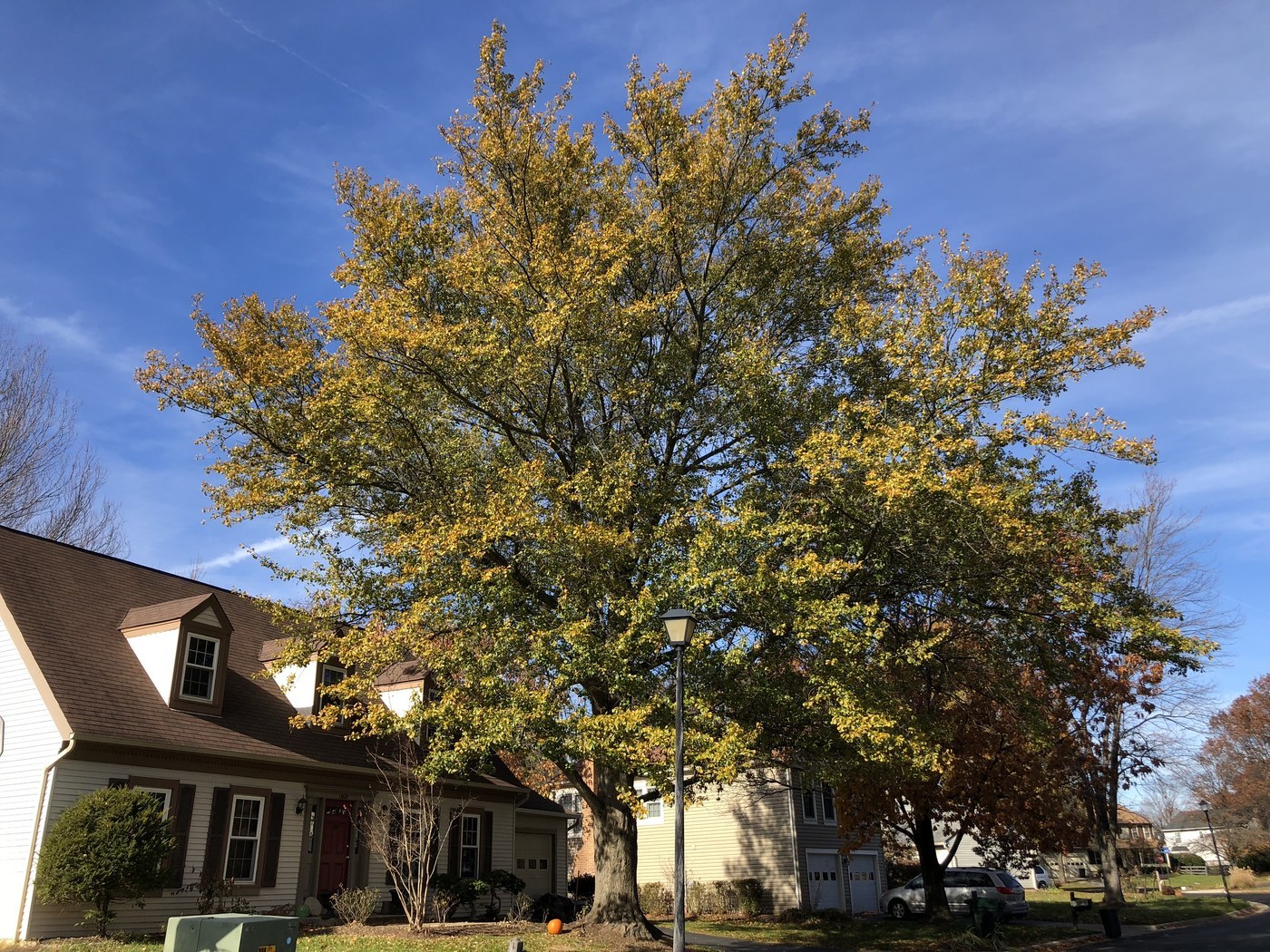
- Size: 70-100 ft tall with a straight trunk and broad crown
Care & growing
- Light: full sun
- Water: moderate; prefers deep, moist, fertile soil
- Soil: deep, well-drained, neutral-to-slightly-alkaline loam for best growth
- Temperature: hardy in USDA zones 4-9
- Feeding: generally unnecessary in good soil
- Propagation: from seed (nuts need cold stratification); timber cultivars may be grafted
- Note: do not plant juglone-sensitive species (tomatoes, azaleas, many others) within the root zone
Habitat & origin
Native to the eastern and central United States, from New England and Ontario south to Georgia and west to the Great Plains.
It grows best in rich, deep bottomland and cove soils along streams and on fertile slopes, usually as scattered individuals in mixed hardwood forests rather than dense stands. Widely planted in plantations for timber.
Frequently asked questions
Why won't plants grow under my black walnut?
The tree releases juglone, an allelopathic chemical that stunts or kills many sensitive plants such as tomatoes, azaleas and blueberries within the root zone.
Why is black walnut wood so valuable?
Its rich, dark, dimensionally stable heartwood is prized for fine furniture, veneer and gunstocks, and large clear logs command high prices.
How can I tell a black walnut from other trees?
Look for large compound leaves with many leaflets, round green husked nuts, deeply furrowed dark bark, and the distinctive chambered pith inside the twigs.
Black Walnut guides
In-depth guides for identifying, growing, and caring for Black Walnut.
How to Care for Black Walnut
Grow the majestic Black Walnut shade tree with full sun, deep moist soil, and smart siting away from sensitive plants.
Black Walnut Identification Guide
How to identify black walnut (Juglans nigra) by its large pinnately compound leaves, round green husked nuts, and chambered pith.
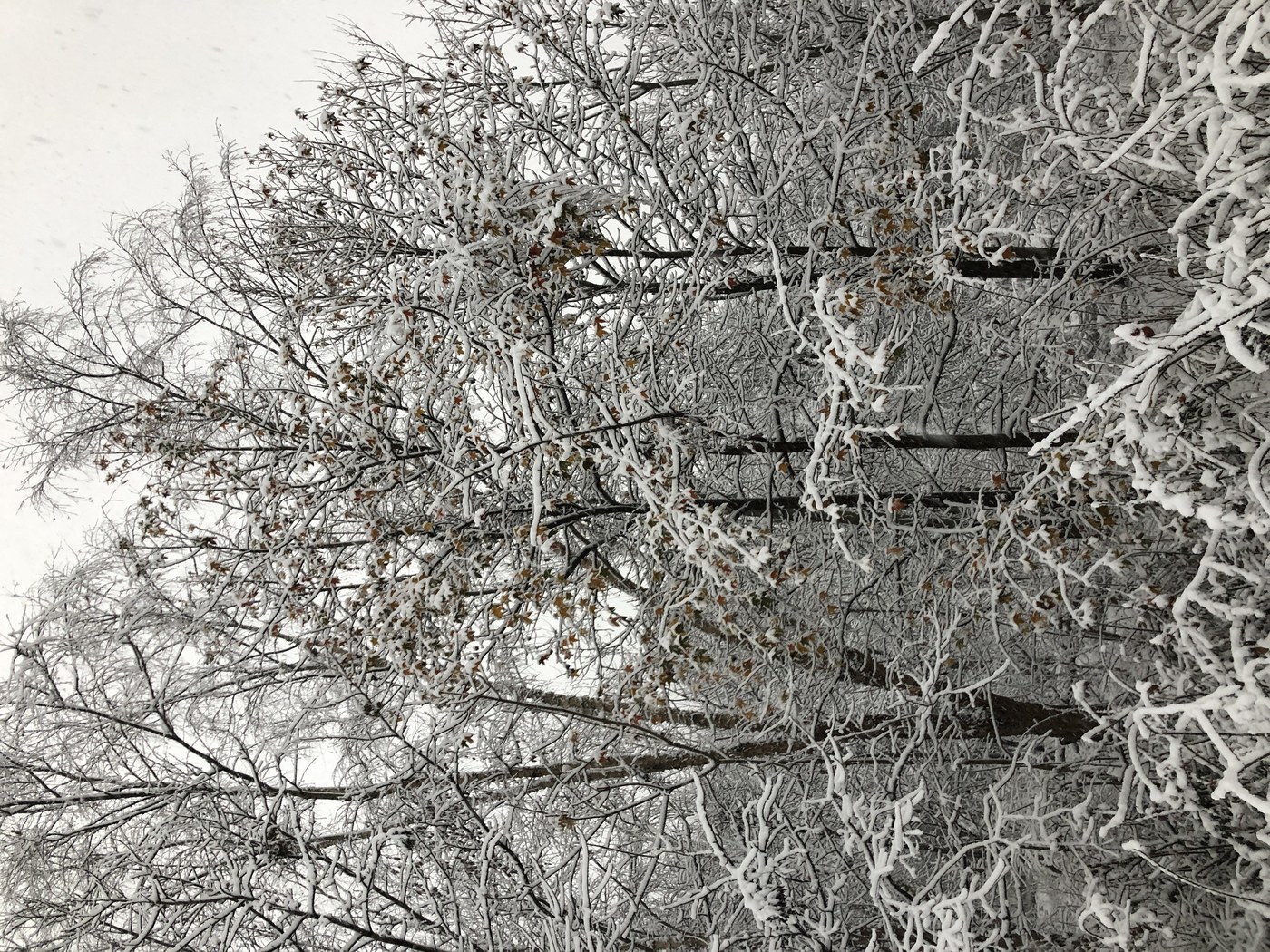
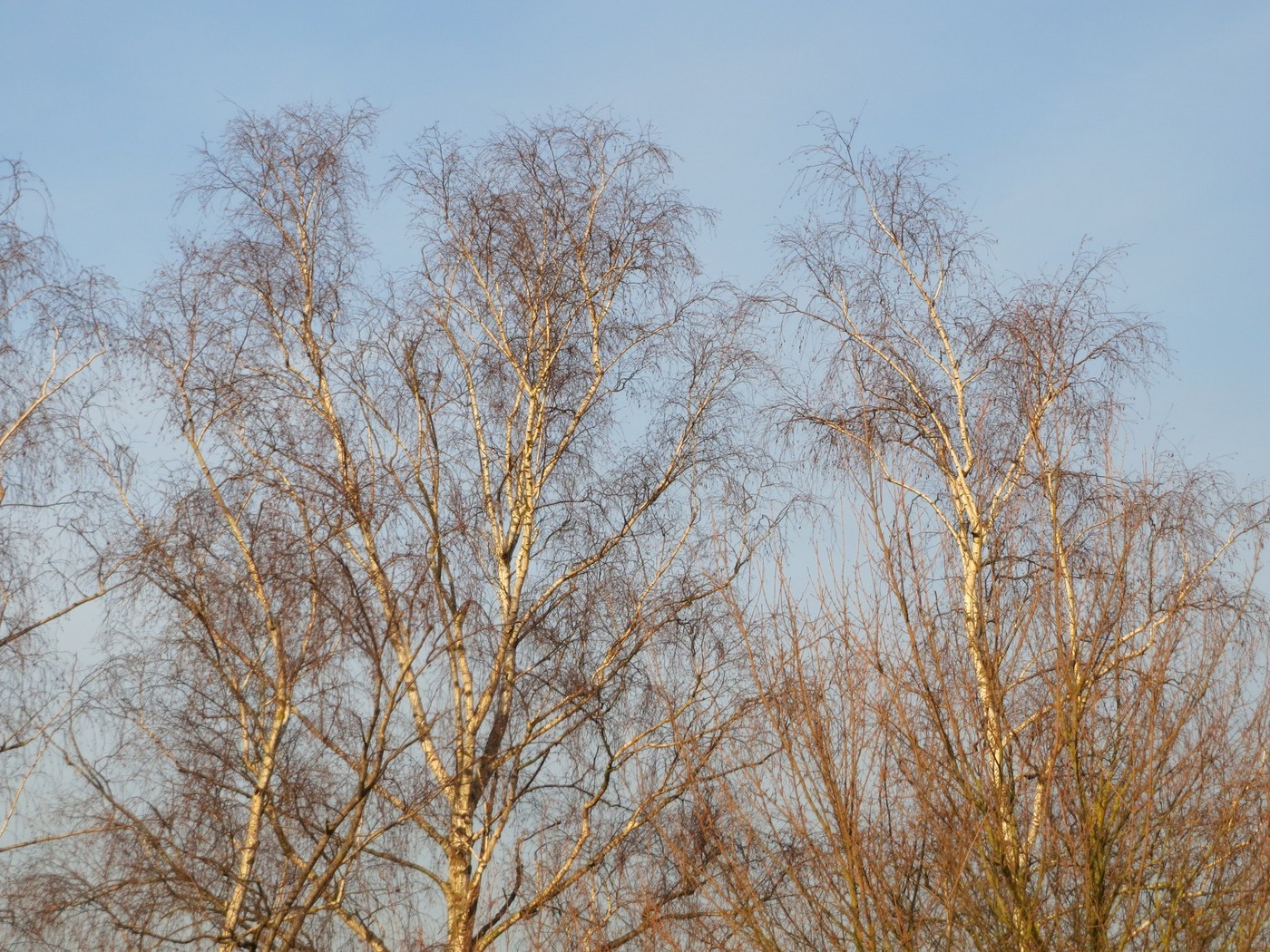
Black Walnut identified by the community
Real specimens identified with Plant Identifier.