Boxwood
Buxus sempervirens
A dense, slow-growing evergreen shrub that has been the backbone of formal gardens, hedges and topiary for centuries. Its small glossy leaves clip cleanly into crisp shapes.
- Light
- Full sun to part shade
- Water
- Moderate; keep evenly moist
- Difficulty
- Easy
Got a plant like this?
Identify any plant from a photo, free.
Overview
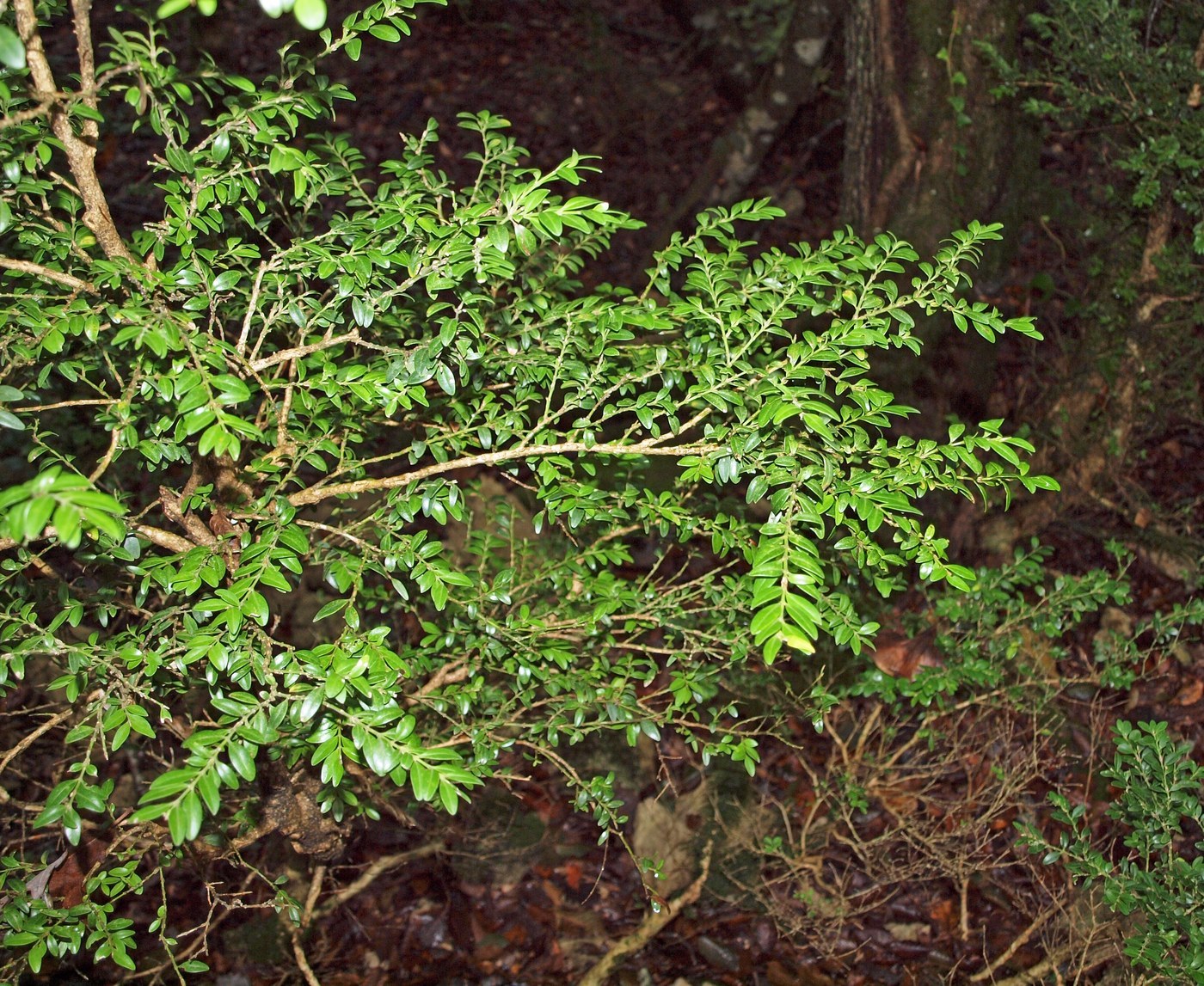
Boxwood is a classic evergreen shrub long valued for hedging, edging and topiary thanks to its dense, fine-textured foliage and tolerance of repeated shearing. Common box (Buxus sempervirens) is native to Europe, North Africa and western Asia, and many cultivars exist.
Its small, leathery, glossy green leaves and slow, compact growth make it ideal for crisp formal lines, knot gardens and clipped geometric forms.
Boxwood is generally easy to grow but can be affected by boxwood blight and box tree moth, so site selection and good airflow matter.
How to identify it
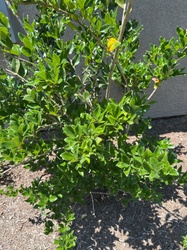
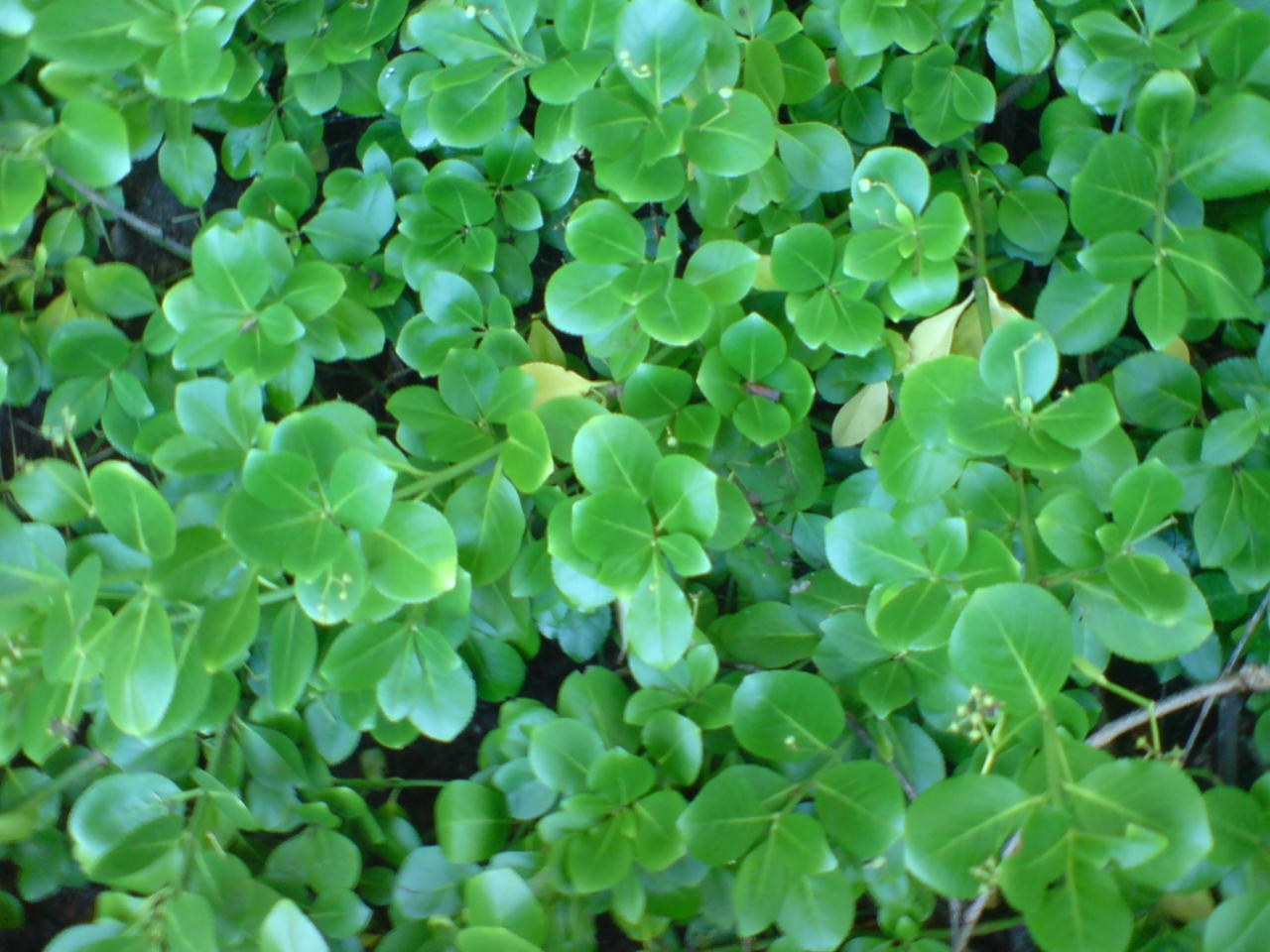
- Leaves: small (0.5–1 in), opposite, oval, leathery and glossy dark green, evergreen
- Growth: dense, slow and compact, responding well to shearing
- Flowers: tiny, pale green-yellow, inconspicuous but fragrant in spring
- Stems: numerous fine twigs forming a solid mass
- Odor: foliage has a distinctive musty scent when clipped
- Size: typically 2–10 ft (0.6–3 m) depending on cultivar and pruning
Care & growing
Grow in full sun to part shade in moist, well-drained soil.
- Water: keep evenly moist, especially when young; mulch to protect shallow roots
- Soil: prefers slightly alkaline to neutral, well-drained soil
- Temperature: hardy roughly USDA zones 5–8 (varies by cultivar)
- Feeding: a balanced feed in spring supports dense growth
- Pruning: shear in late spring/early summer; avoid heavy cuts in late season
- Propagation: easily from semi-hardwood cuttings
Ensure good airflow and avoid wet, crowded conditions to reduce boxwood blight risk.
Habitat & origin
Common box is native to southern and western Europe, North Africa and southwest Asia, where it grows in woodland and on rocky, often limestone slopes.
It is one of the most widely cultivated hedging plants in temperate gardens worldwide, a mainstay of formal European garden design for centuries.
Frequently asked questions
When should I trim boxwood?
Shear in late spring to early summer once new growth has hardened. Avoid heavy pruning late in the season so new growth can harden before winter.
What is boxwood blight?
A fungal disease causing leaf spots, defoliation and dark stem streaks. Good airflow, dry foliage and resistant cultivars help prevent it.
Why is boxwood used for topiary?
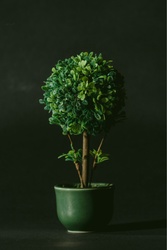
Its dense, slow, fine-textured growth tolerates repeated shearing and holds crisp shapes, making it ideal for clipped formal forms.
How big does boxwood get?
Depending on the cultivar and how it is pruned, it ranges from low edging forms around 2 ft to larger shrubs reaching about 10 ft.
Boxwood guides
In-depth guides for identifying, growing, and caring for Boxwood.
How to Care for Boxwood
Grow common boxwood (Buxus sempervirens), the classic evergreen hedging shrub, with even moisture and light shearing.
Boxwood Identification Guide
Identify Boxwood (Buxus) by its small, opposite, glossy oval leaves, dense fine twiggy growth, and the distinctive musky scent of its foliage.
Boxwood identified by the community
Real specimens identified with Plant Identifier.