Lemon Verbena
Aloysia citrodora
A deciduous shrub with intensely lemon-scented leaves, prized for its fragrance. Native to South America, it is one of the most strongly citrus-scented herbs.
- Light
- Full sun
- Water
- Moderate; let topsoil dry between
- Difficulty
- Moderate
Got a plant like this?
Identify any plant from a photo, free.
Overview
Lemon verbena is a tender, woody perennial shrub grown for its narrow leaves, which release a powerful, pure lemon fragrance when brushed or crushed. It belongs to the verbena family and is unrelated to true lemons.
Brought to Europe from South America in the 18th century, it became a beloved garden herb. In cooler climates it is often grown in containers and overwintered indoors, as it is sensitive to hard frost.
How to identify it
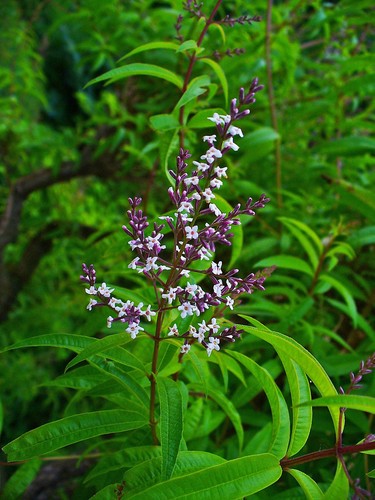
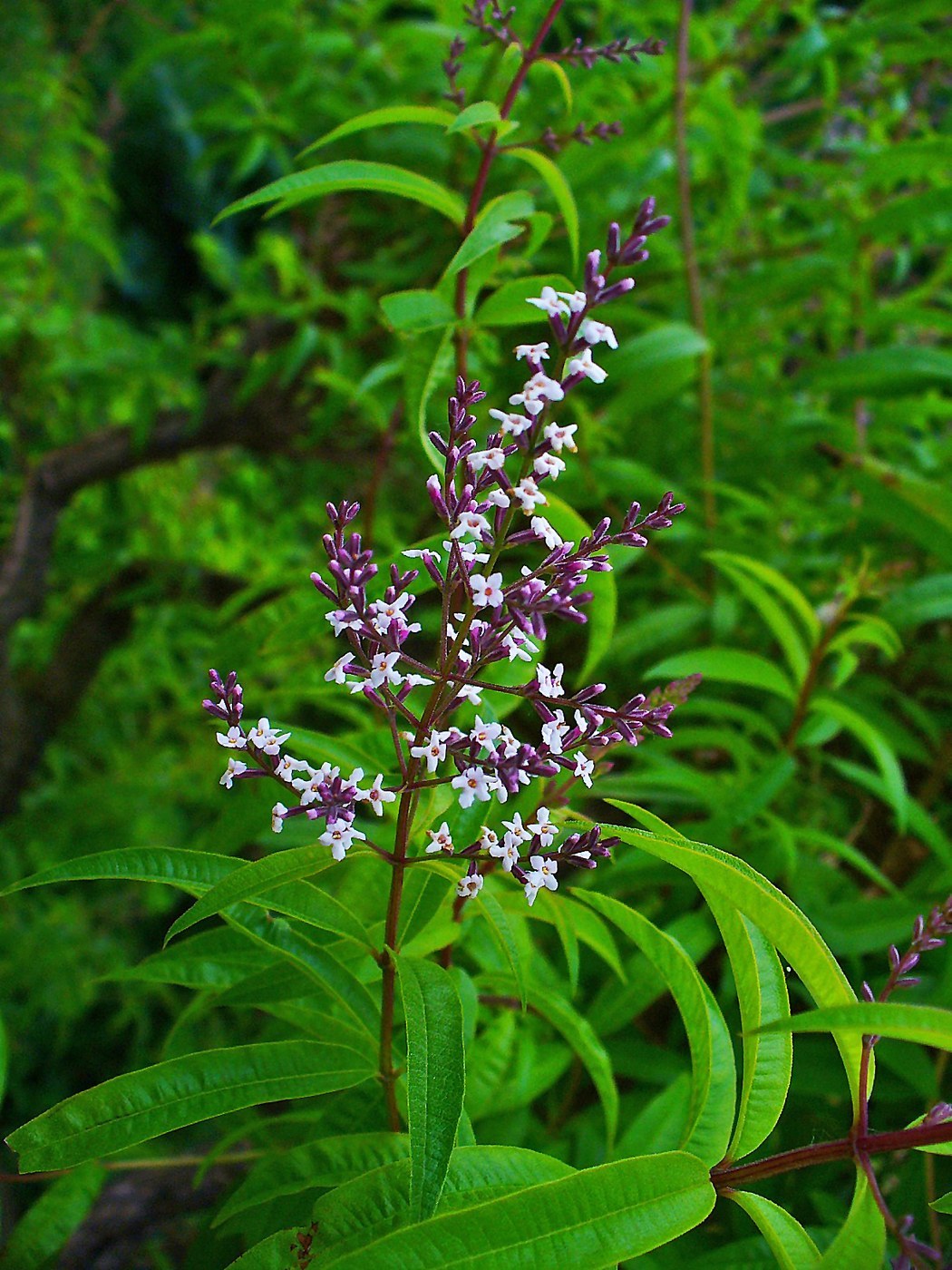
- Narrow, lance-shaped, pointed leaves arranged in whorls of three or four
- Leaves are slightly rough and emit a strong lemon scent when touched
- Open, somewhat lanky shrub reaching 1-3 m (3-10 ft) in warm climates
- Small, pale white to lilac flowers in slender sprays in summer
- Woody stems that can become leggy with age
Care & growing
Lemon verbena needs warmth, sun, and good drainage.
- Light: Full sun
- Water: Moderate; let the topsoil dry slightly between waterings
- Soil: Light, well-drained soil; dislikes soggy roots
- Temperature: Frost-tender; protect or bring indoors below about -5 C (23 F)
- Feeding: Occasional balanced feeding during the growing season
- Propagation: Softwood cuttings root readily; prune hard in spring to keep it bushy
Habitat & origin
Native to western South America, particularly Argentina, Chile, and Peru, lemon verbena grows in warm, sunny conditions.
It is now cultivated worldwide in gardens and on a small commercial scale, especially in Mediterranean climates and frost-free regions, with cooler areas growing it in pots.
Frequently asked questions
Is lemon verbena related to lemons?
No. It is in the verbena family and simply produces a lemon-scented essential oil; it is unrelated to citrus trees.
Can lemon verbena survive winter outdoors?
Only in mild, nearly frost-free climates. In colder regions, grow it in a pot and bring it indoors or protect it heavily over winter.
Why are my plant's leaves dropping?
It is deciduous and often drops leaves in autumn or after a cold snap or move indoors; new growth usually returns in spring.
Lemon Verbena guides
In-depth guides for identifying, growing, and caring for Lemon Verbena.