Mulberry Tree
Morus alba
A fast-growing deciduous tree producing abundant blackberry-like fruit. White mulberry is also famous as the sole food of silkworms.
- Light
- Full sun to part shade
- Water
- Moderate; drought-tolerant once established
- Difficulty
- Easy
Got a plant like this?
Identify any plant from a photo, free.
Overview
Mulberries are deciduous trees in the genus Morus, grown for their aggregate fruits and, historically, for feeding silkworms. The most widely planted species is white mulberry (Morus alba), though black mulberry (M. nigra) and red mulberry (M. rubra) are also common.
Mulberry trees are vigorous, adaptable, and often produce fruit within a few years. The ripe berries stain readily, which can be a consideration when siting a tree near paths or patios.
How to identify it
Identifying features:
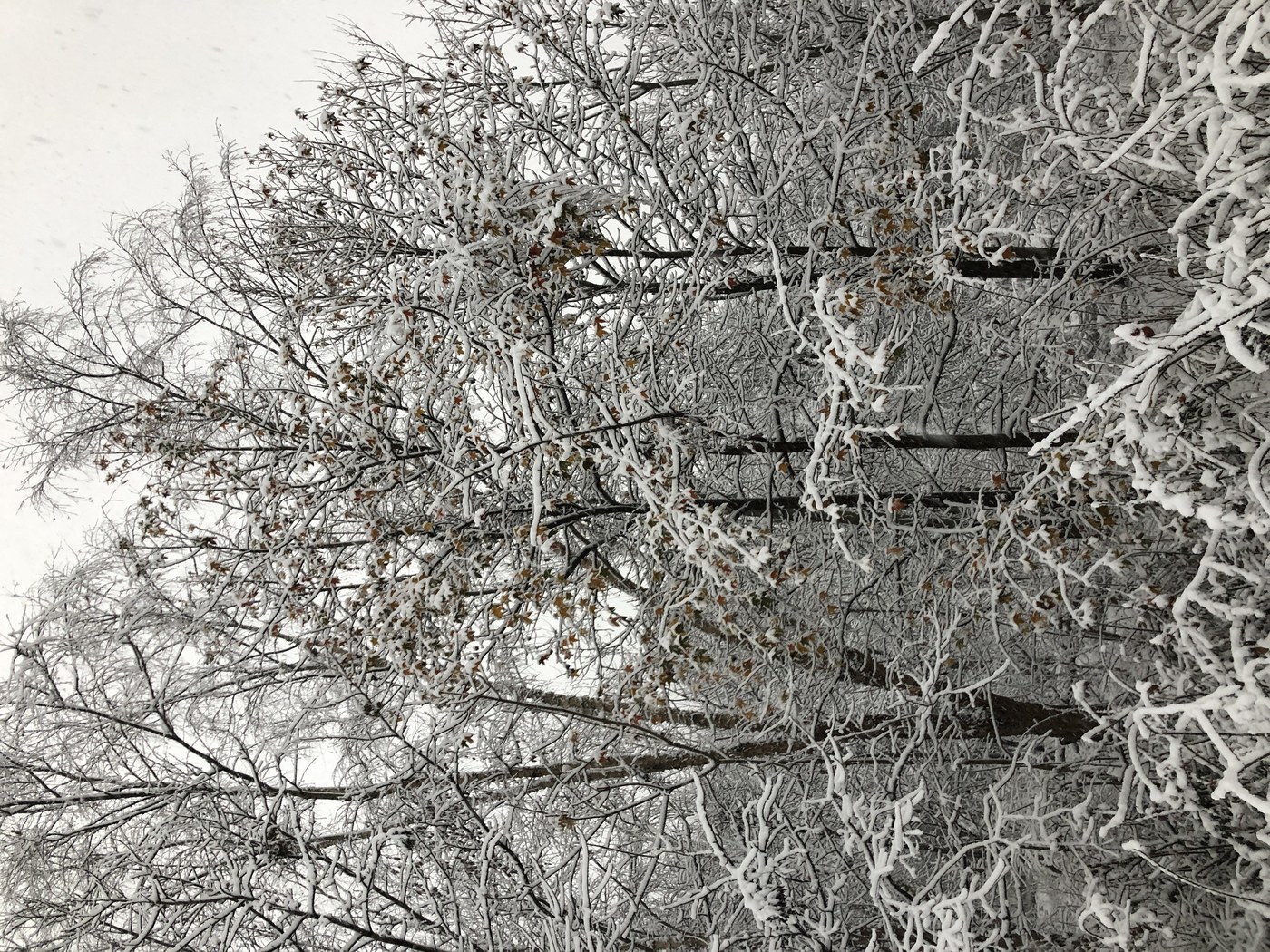
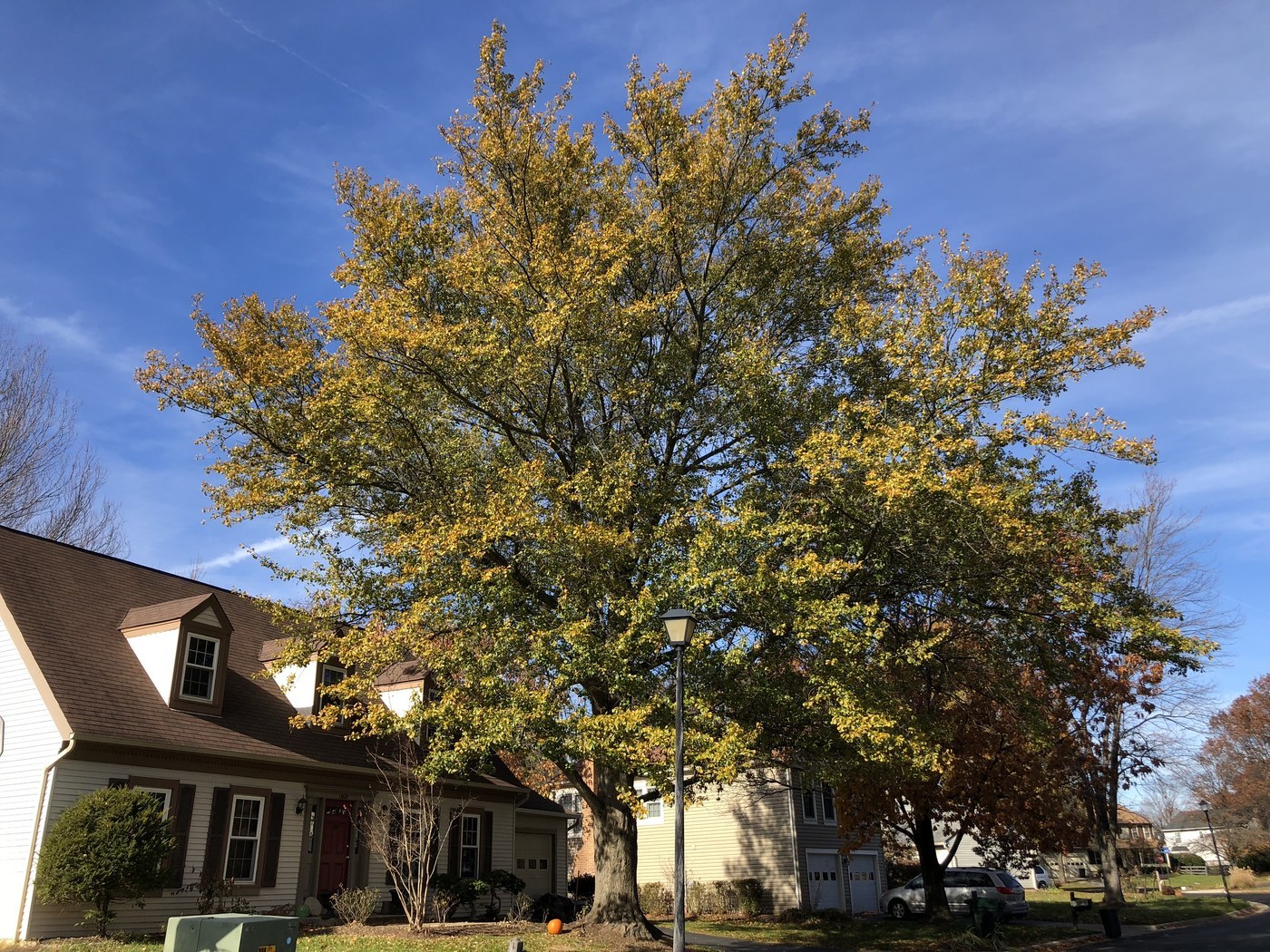
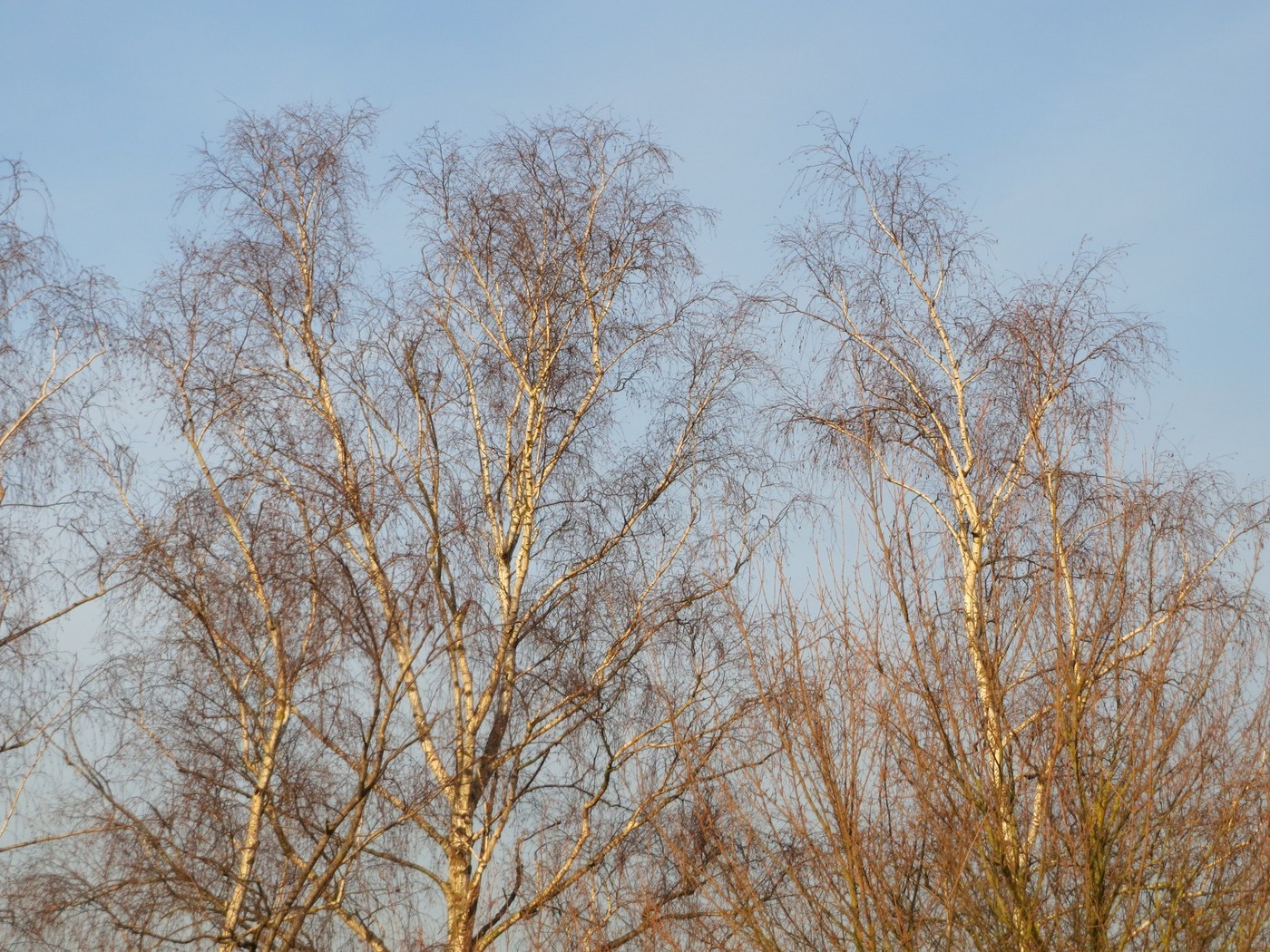
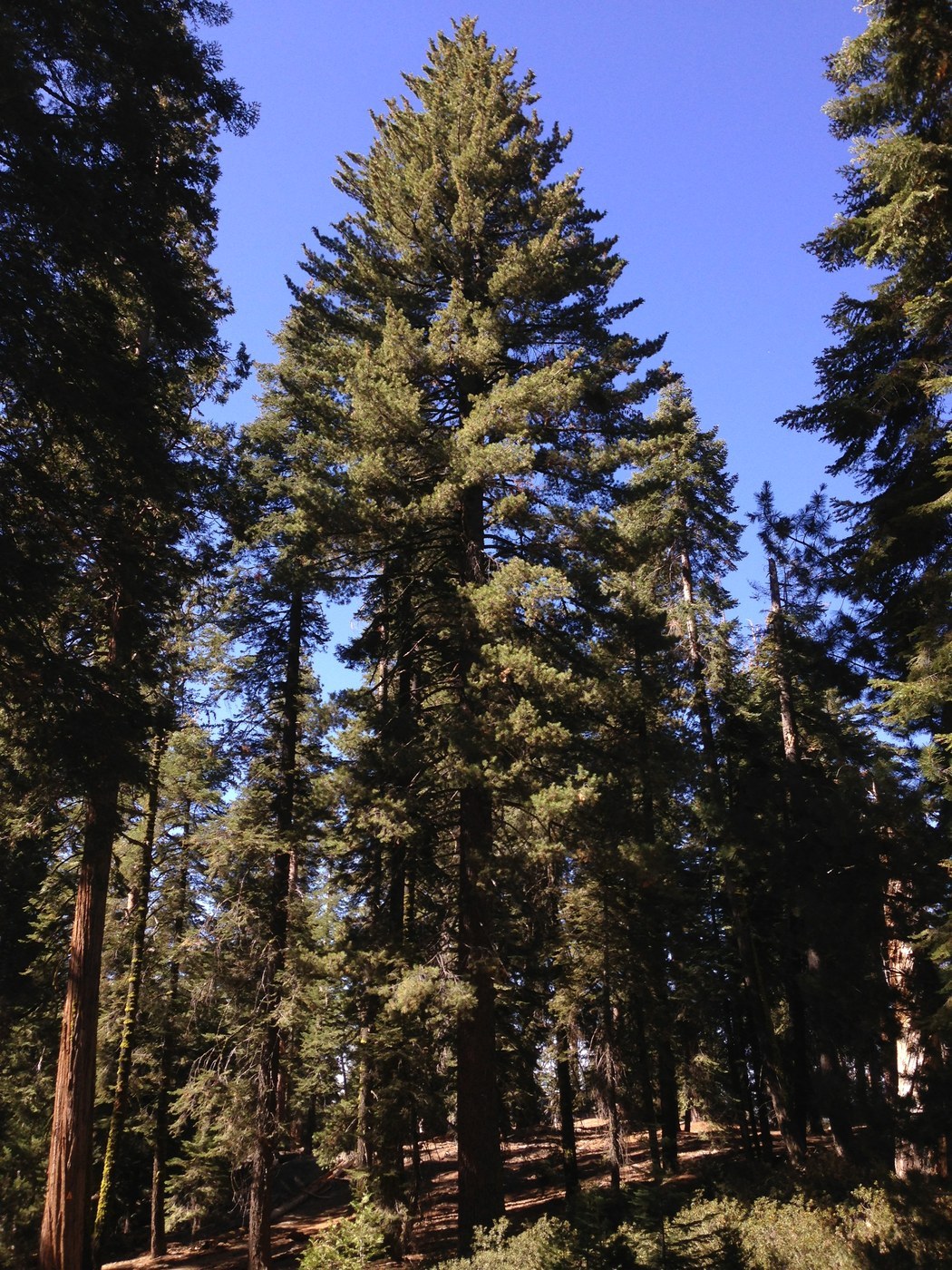
- Size & habit: Medium tree, 9-15 m tall, with a broad, spreading crown
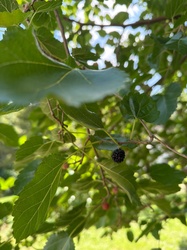
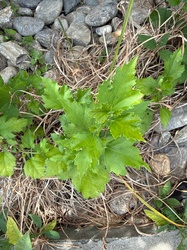
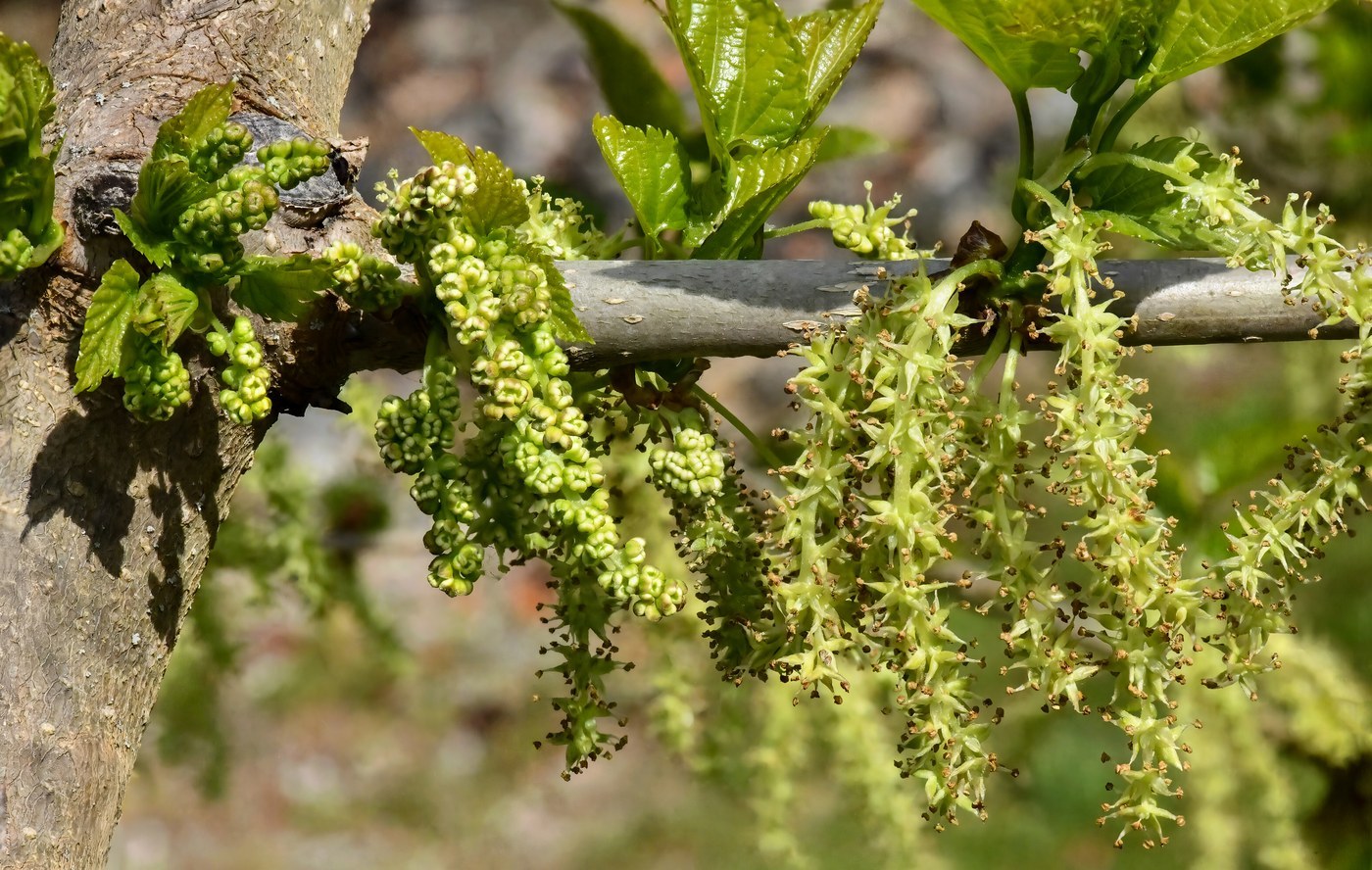
- Leaves: Bright green, often variably lobed (some heart-shaped, some mitten- or multi-lobed on the same tree), with toothed margins
- Fruit: Elongated aggregate berries resembling slim blackberries, ripening white, red, or deep purple-black
- Bark: Gray-brown, becoming ridged with age
- Sap: Milky latex when stems or leaves are broken
Care & growing
Light: Full sun for best fruiting; tolerates partial shade.
Water: Water regularly when young; established trees are notably drought-tolerant.
Soil: Adaptable to most soils with reasonable drainage; pH 5.5-7.0.
Temperature: Hardy across USDA zones 4-9 depending on species (white mulberry is the hardiest).
Feeding: Generally low-maintenance; light spring feeding suffices.
Propagation: Easily grown from hardwood or softwood cuttings, and from seed. Prune in dormancy to shape and limit size.
Habitat & origin
White mulberry is native to China, where it has been cultivated for thousands of years to feed silkworms. Black mulberry originates in Western Asia, and red mulberry is native to eastern North America.
Mulberries have naturalized widely across temperate and subtropical regions and are grown in home gardens worldwide. White mulberry can be weedy or invasive in some areas.
Frequently asked questions
Why do mulberry leaves have different shapes on one tree?
Mulberries are naturally variable; young and vigorous shoots often bear lobed leaves while mature growth has unlobed, heart-shaped leaves.
Are mulberries messy?
Yes, the ripe fruit drops and stains pavement and clothing. Choose a fruitless cultivar or plant away from walkways if this is a concern.
How fast do mulberry trees grow?
They are fast growers, often gaining 0.5-1 m per year and fruiting within 2-3 years.
Mulberry Tree guides
In-depth guides for identifying, growing, and caring for Mulberry Tree.
How to Care for Mulberry Tree
Grow a vigorous, shade-giving Morus alba with full sun, deep occasional watering, and simple dormant-season pruning.
Mulberry Tree Identification Guide
Identify mulberry trees (Morus species) by their variable lobed leaves, milky sap, catkin flowers, and aggregate blackberry-like fruit.
Mulberry Tree identified by the community
Real specimens identified with Plant Identifier.