Poison Oak
Toxicodendron diversilobum
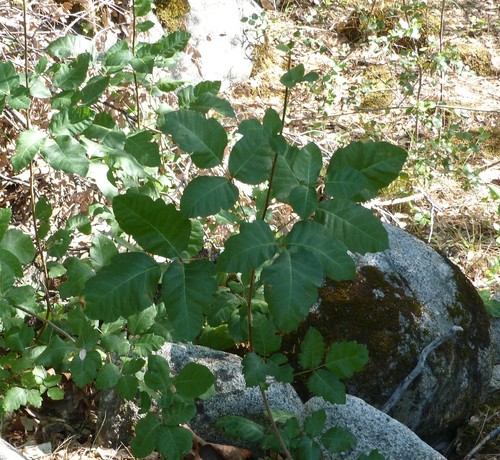
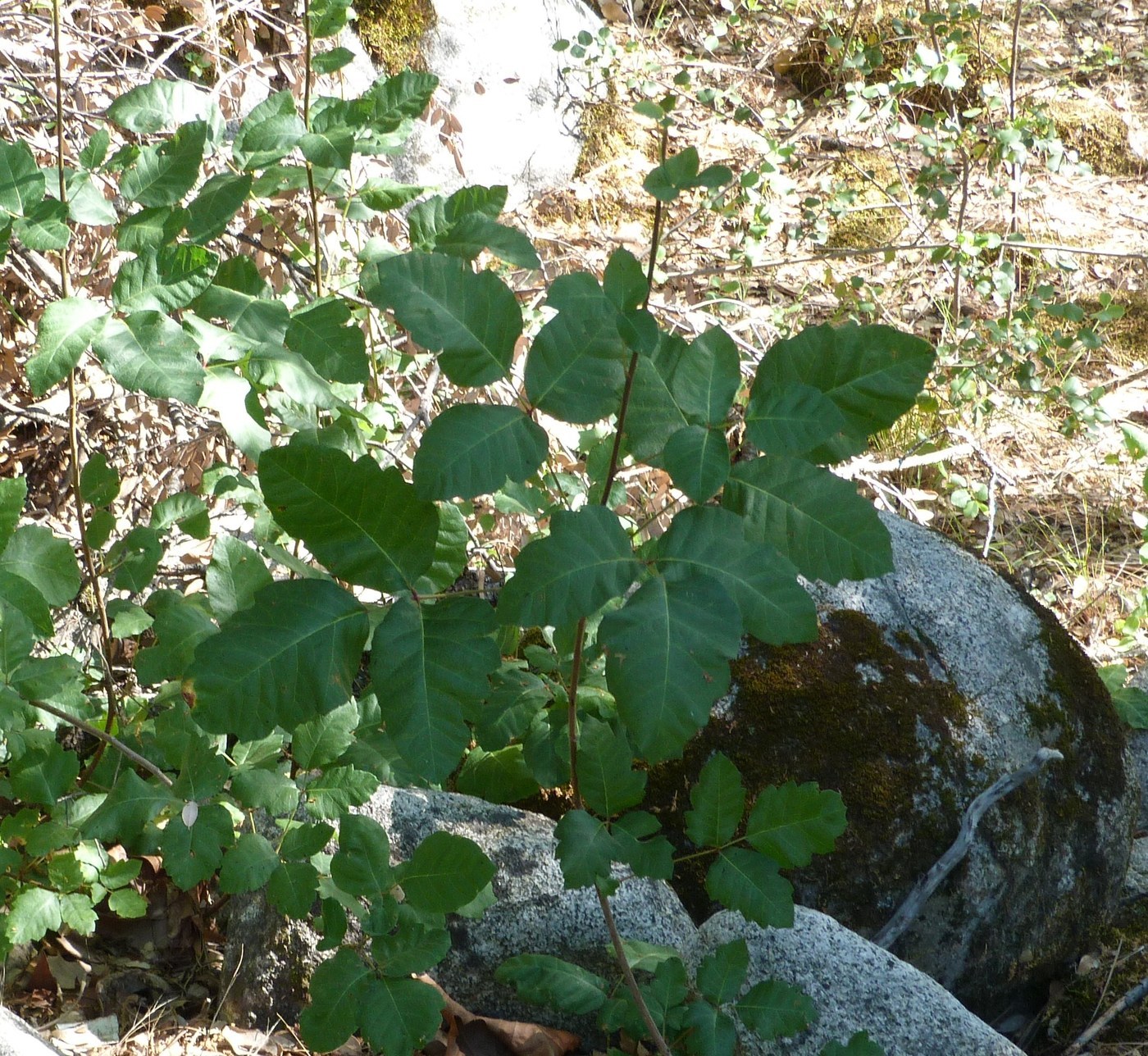
Poison oak is a woody shrub or climbing vine native to North America, recognized by its compound leaves of three lobed leaflets that resemble oak foliage.
- Light
- Full sun to part shade
- Water
- Low; drought-tolerant once established
- Difficulty
- Easy
Got a plant like this?
Identify any plant from a photo, free.
Overview
Poison oak refers to two related species, Pacific poison oak (Toxicodendron diversilobum) of the West Coast and Atlantic poison oak (T. pubescens) of the Southeast. Both are woody plants that grow as shrubs or climbing vines depending on conditions.
It is a widespread native plant that provides cover and shelter for wildlife and is a familiar component of western and southeastern wildland and disturbed habitats.
How to identify it
Remember the adage "leaves of three" as an identification cue, though recognition can be tricky.
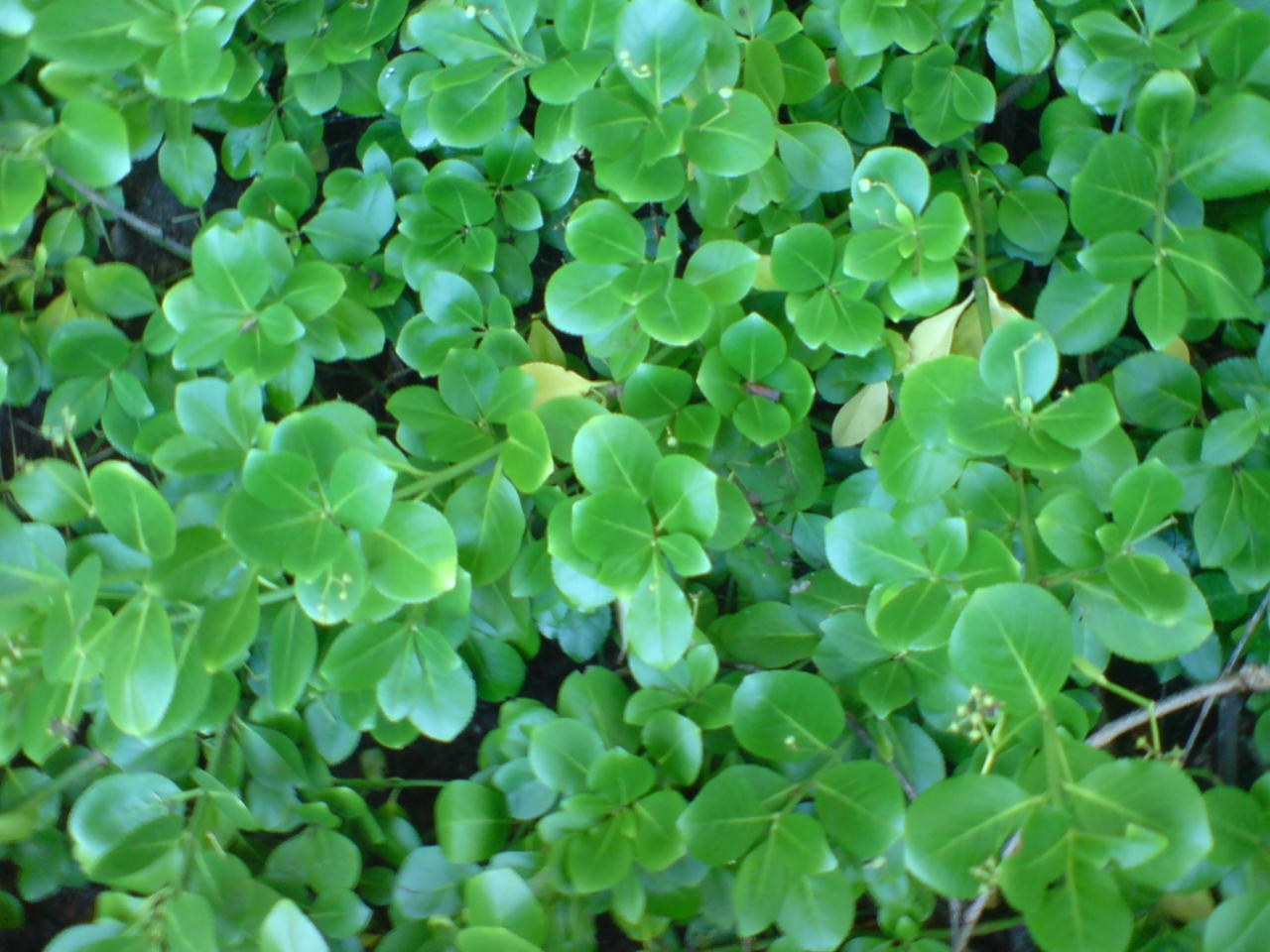
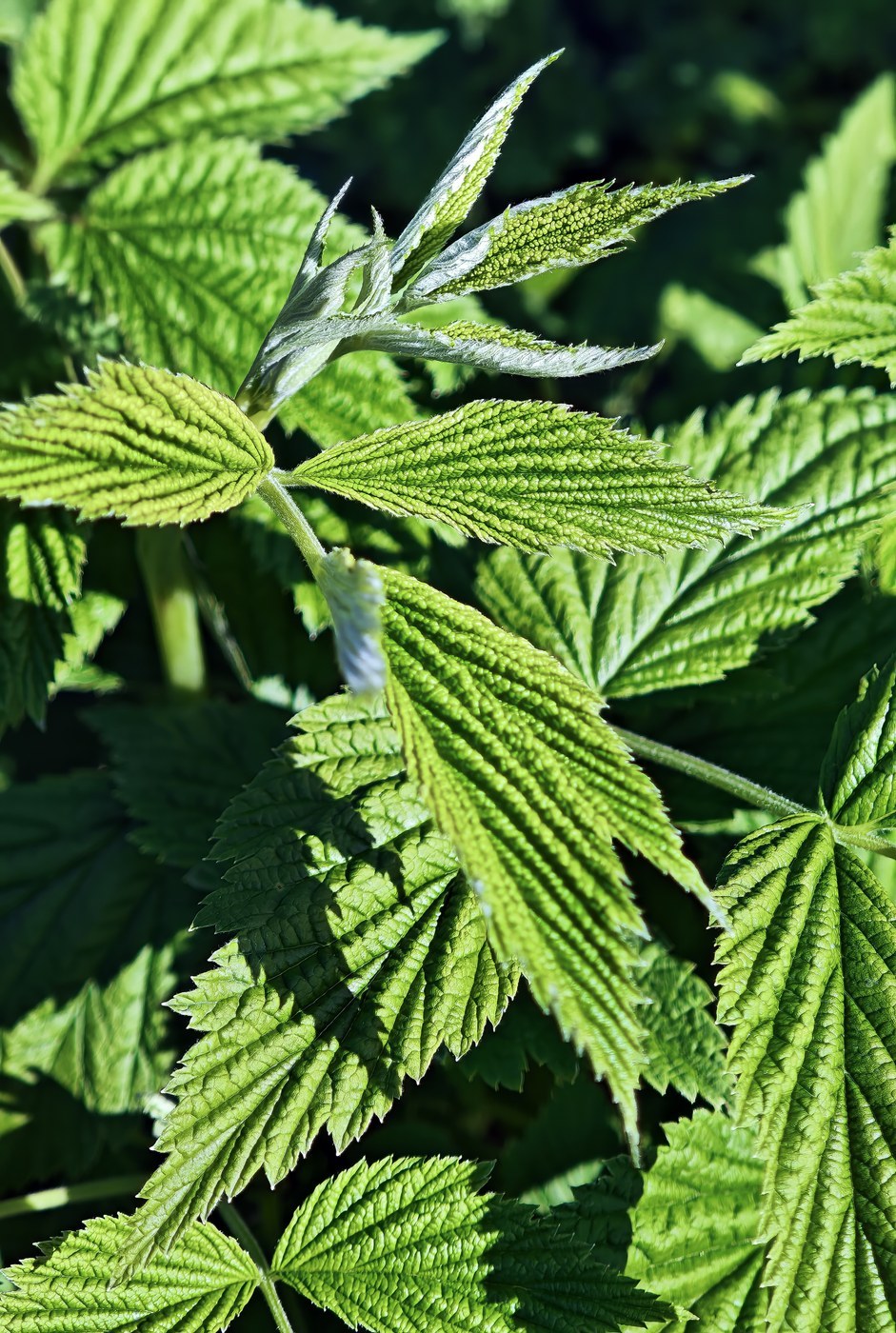
- Leaves: Compound with three leaflets; the lobed, scalloped margins resemble oak leaves
- Color: Glossy green in spring/summer, turning red, orange, or yellow in fall
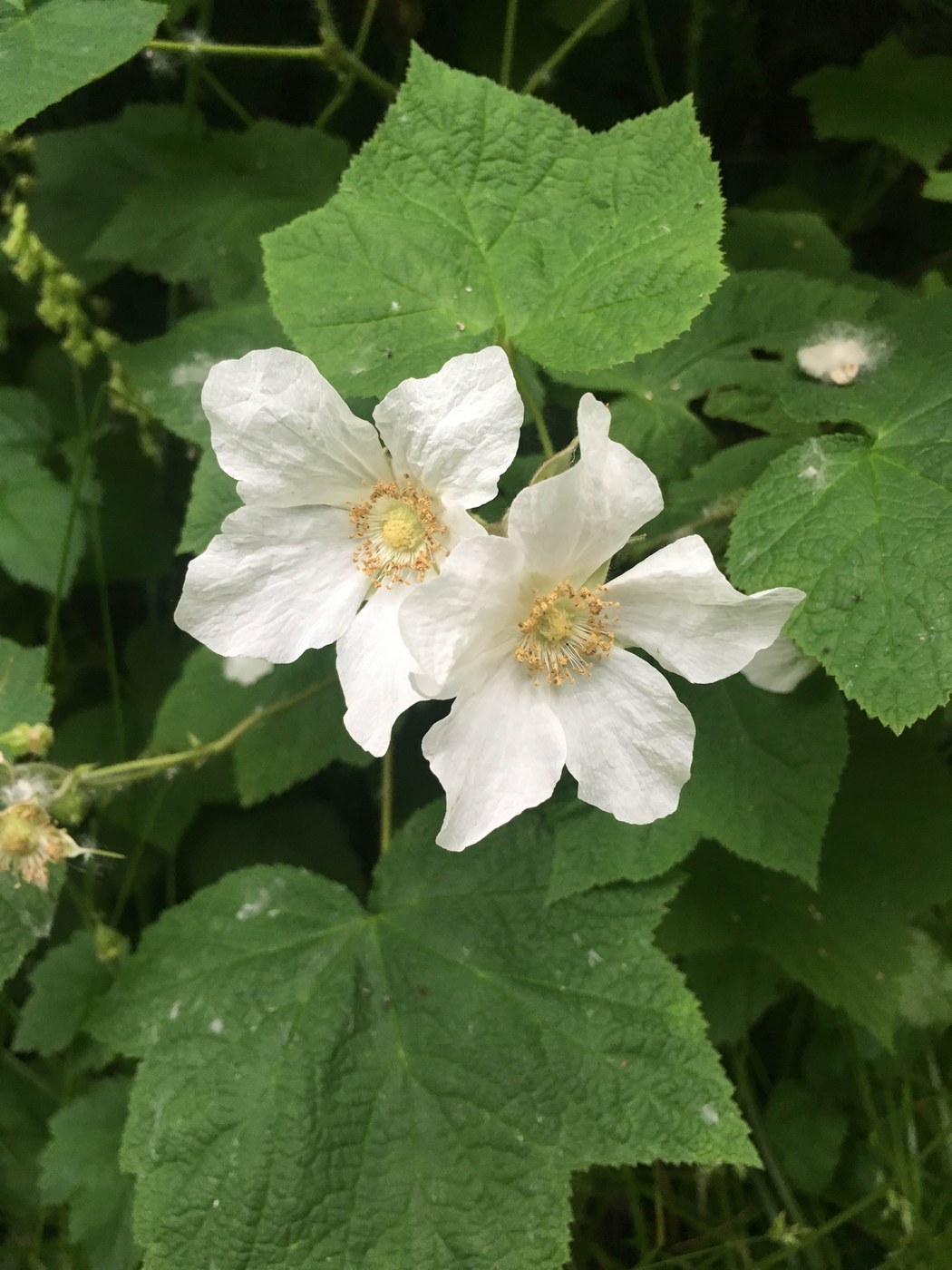
- Flowers/fruit: Small greenish-white flowers; clusters of whitish-tan berries
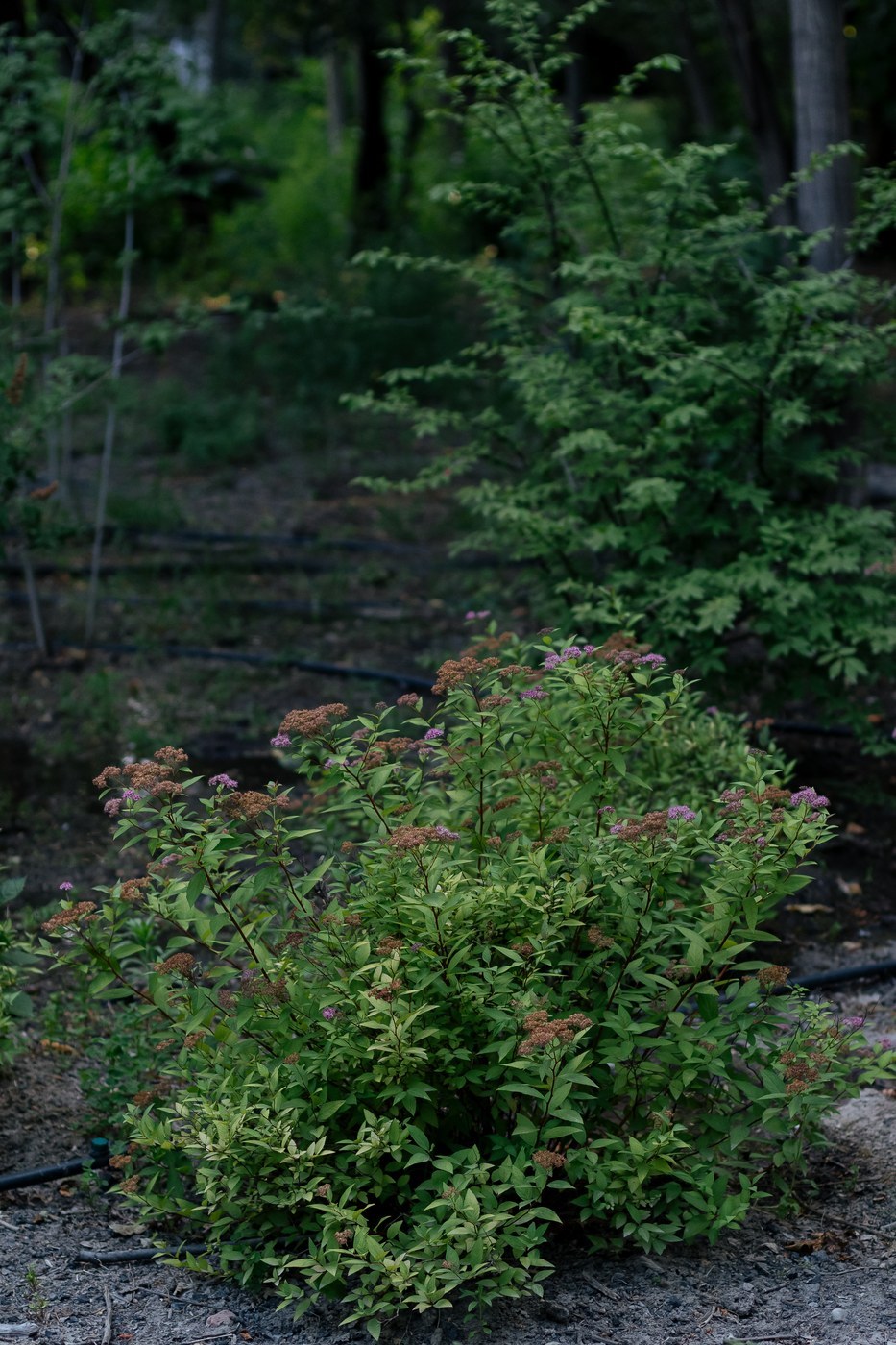
- Habit: Shrubby (1-6 ft) in open areas; climbing vine up to 30+ ft in shade
- Note: New growth often has a reddish, shiny appearance
Care & growing
Poison oak is not typically cultivated; the following describes its natural growing conditions.
- Light: Tolerates full sun to deep shade, adjusting growth form accordingly
- Water: Highly drought-tolerant; thrives in dry chaparral and woodland
- Soil: Adapts to most soils, from sandy to clay
- Growth: Forms a low shrub in open sun and a climbing vine in shaded sites
Habitat & origin
Pacific poison oak is abundant throughout western North America from Baja California to British Columbia, dominating chaparral, oak woodlands, and coastal scrub. Atlantic poison oak occupies sandy soils and pine woods of the southeastern United States.
It is not grown intentionally but is a widespread and ecologically significant component of wildland and disturbed habitats.
Frequently asked questions
How is poison oak different from poison ivy?
Both have three leaflets, but poison oak's leaflets are lobed like oak leaves, while poison ivy's are typically more pointed, and the two species occupy different ranges and growth habits.
Where does poison oak grow?
Pacific poison oak grows throughout western North America in chaparral, oak woodlands, and coastal scrub, while Atlantic poison oak occurs in sandy soils and pine woods of the southeastern United States.
Does poison oak change color in fall?
Yes. Its glossy green leaves turn shades of red, orange, and yellow in autumn, and new spring growth often appears reddish and shiny.
Is poison oak a shrub or a vine?
It can be both. In open, sunny areas it grows as a low shrub 1-6 feet tall, while in shade it climbs as a vine up to 30 feet or more.
Poison Oak guides
In-depth guides for identifying, growing, and caring for Poison Oak.