Saskatoon Berry
Amelanchier alnifolia
Saskatoon berry is a hardy North American shrub producing blueberry-like fruit and showy spring blossoms. It is cold-tolerant, low-maintenance, and valued as an ornamental and wildlife shrub.
- Light
- Full sun to partial shade
- Water
- Moderate; tolerates dry spells once established
- Difficulty
- Easy
Got a plant like this?
Identify any plant from a photo, free.
Overview
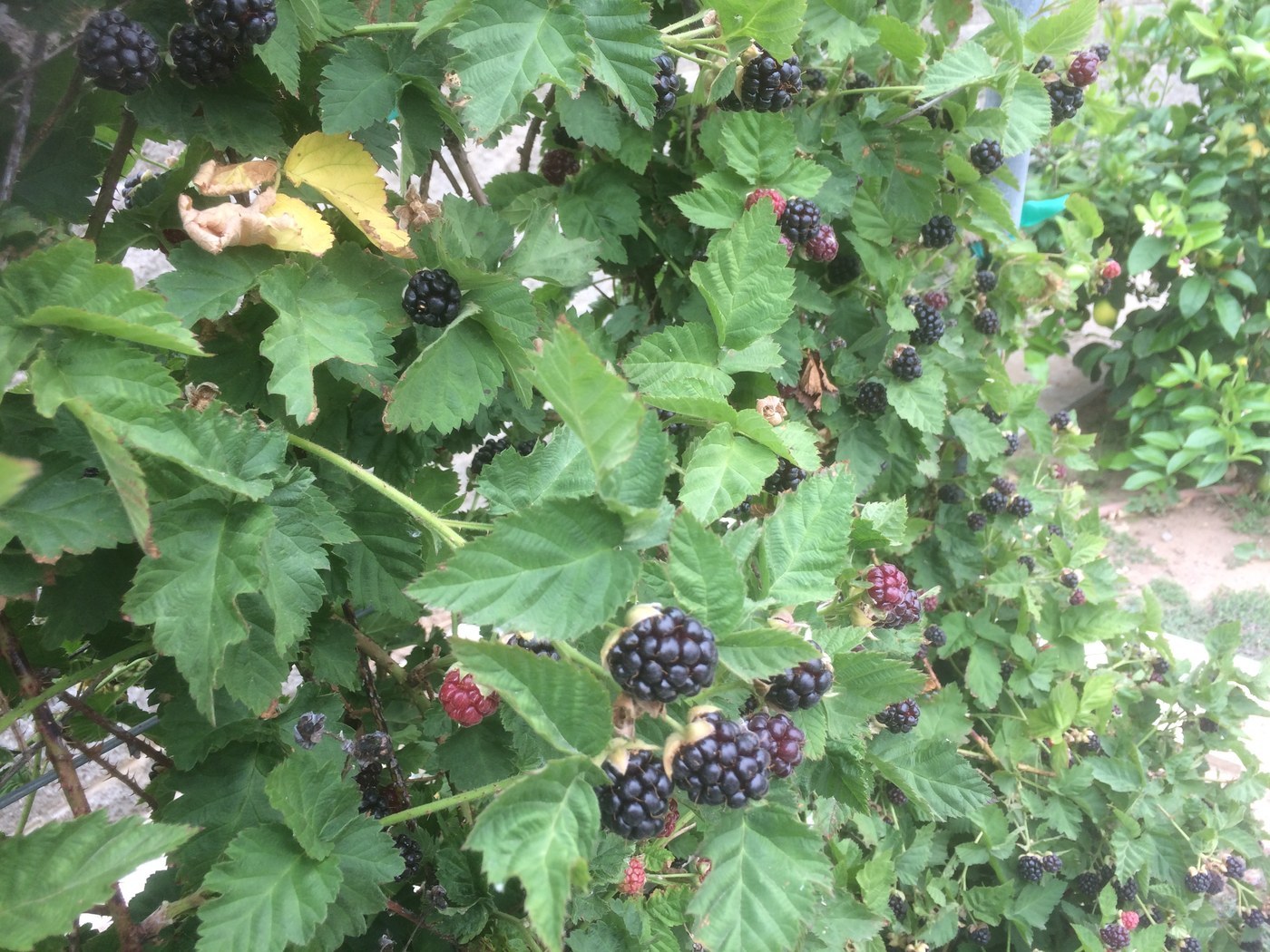
The saskatoon berry (Amelanchier alnifolia), also called western serviceberry or juneberry, is a deciduous shrub native to North America. It bears clusters of dark purple, round berries that resemble blueberries in appearance.
Extremely cold-hardy and adaptable, saskatoons thrive across the northern plains and prairies. They offer multi-season interest: white spring flowers, summer fruit, and fiery fall foliage.
Long grown across North America and now planted commercially in Canada, the saskatoon is both a productive fruiting shrub and an attractive, wildlife-friendly landscape plant.
How to identify it
- Fruit: Round, 1/4–1/2 in, ripening from red to deep purple-blue with a soft bloom
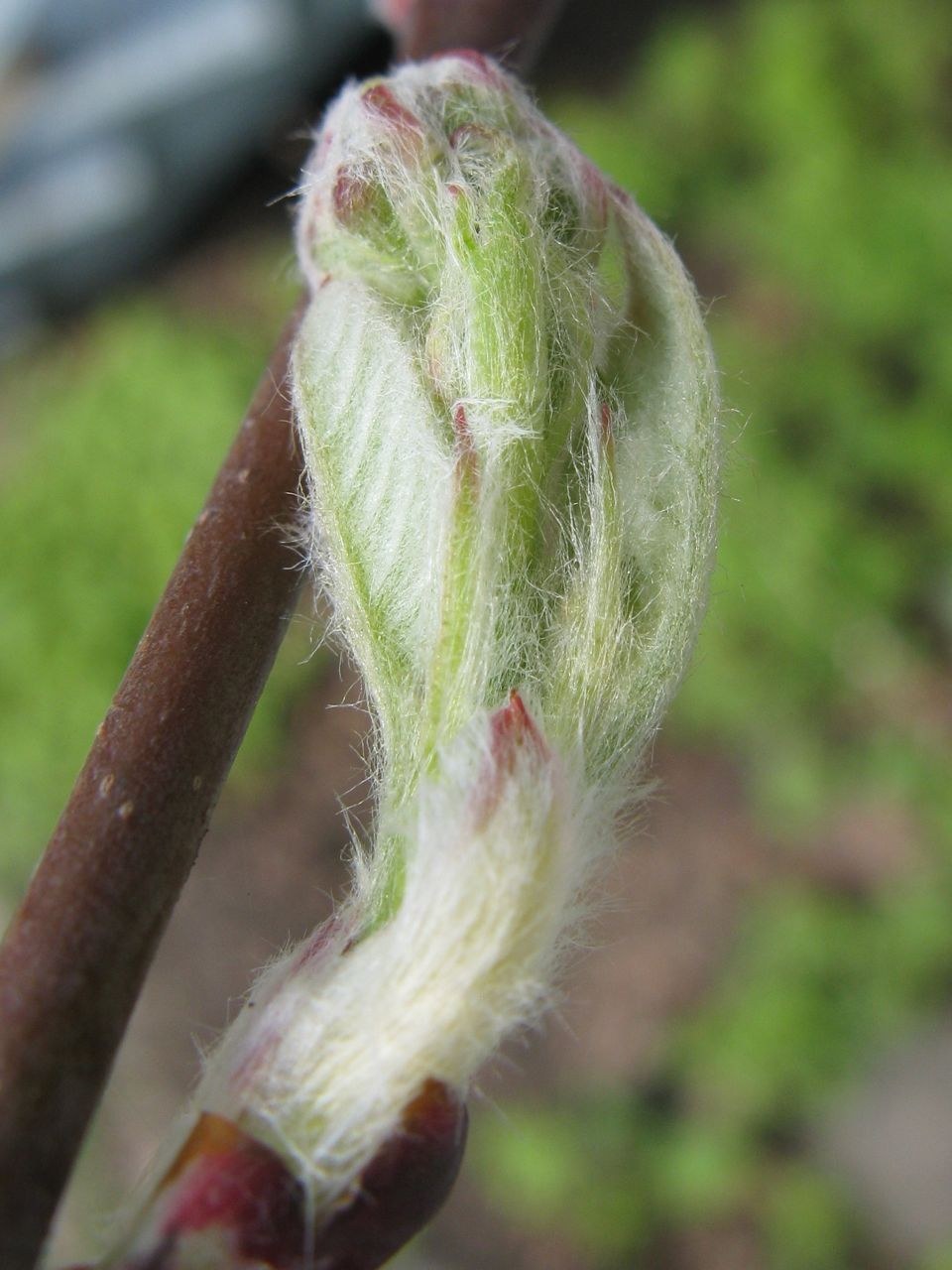
- Leaves: Oval, toothed mainly on the upper half, bluish-green, turning orange-red in fall
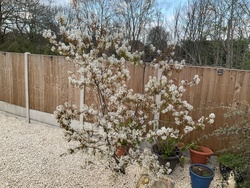
- Flowers: White, five-petaled, in showy upright clusters in early spring
- Size: Typically 3–15 ft tall, multi-stemmed, thicket-forming
- Habit: Upright, suckering deciduous shrub
Care & growing
Light: Full sun gives the heaviest fruiting; tolerates partial shade with lighter yields.
Water: Moderate; once established it tolerates dry conditions, though regular moisture improves berry size.
Soil: Adaptable, prefers well-draining, neutral to slightly alkaline soil; tolerates a wide pH range.
Temperature: Exceptionally cold-hardy, surviving to USDA zone 2; needs winter chill.
Feeding: Light; a spring application of compost or balanced fertilizer is usually sufficient.
Propagation: By seed (needs stratification), suckers, division, or softwood cuttings. Suckering can be managed to form hedges or contained shrubs.
Habitat & origin
Saskatoon berry is native to western and northern North America, ranging from Alaska and western Canada south through the northern and western United States. It grows in prairies, open woodlands, hillsides, and along streambanks.
The city of Saskatoon, Saskatchewan, is named for the berry. It is now grown commercially across the Canadian prairies and is increasingly planted in cold-climate ornamental and wildlife gardens.
Frequently asked questions
Is saskatoon berry the same as serviceberry?
Yes, they are members of the genus Amelanchier. Saskatoon specifically refers to A. alnifolia, the western species, while serviceberry and juneberry are common names used across the genus.
How cold-hardy are saskatoon bushes?
Very. They survive to USDA zone 2 and tolerate harsh prairie winters, which is why they are a staple shrub across the Canadian plains.
Do saskatoons need a pollinator?
They are largely self-fertile, but planting more than one shrub and attracting pollinators improves fruit set and yields.
Saskatoon Berry guides
In-depth guides for identifying, growing, and caring for Saskatoon Berry.
Saskatoon Berry identified by the community
Real specimens identified with Plant Identifier.