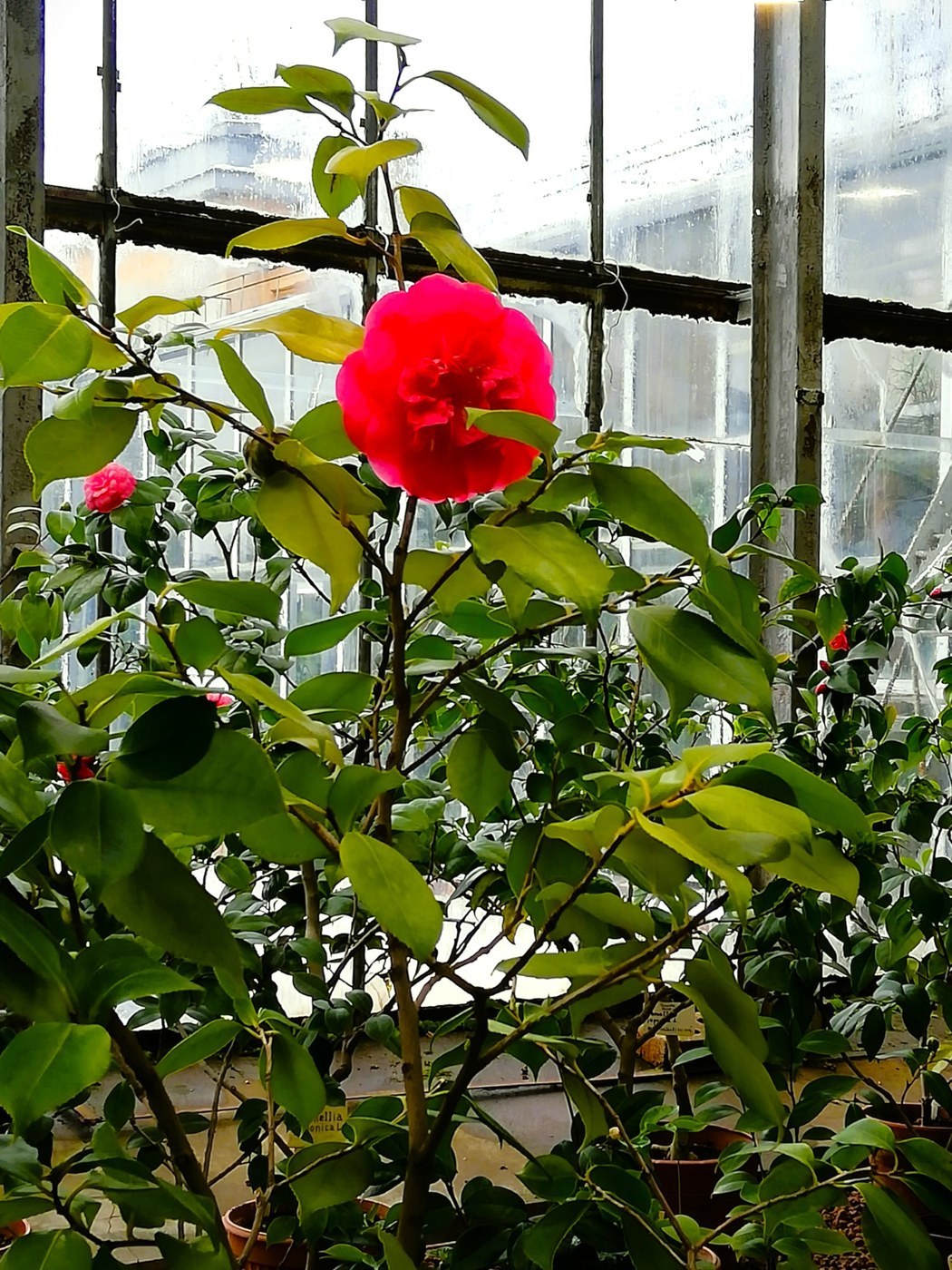
Camellia
Camellia japonica
Camellias are elegant evergreen shrubs with glossy dark foliage and large, rose-like blooms in winter and early spring. Their long flowering season and lush leaves make them prized in shade gardens.
- Light
- Bright dappled shade
- Water
- Keep evenly moist; never soggy
- Difficulty
- Moderate
Got a plant like this?
Identify any plant from a photo, free.
Overview
Camellias are evergreen shrubs and small trees in the family Theaceae, native to eastern and southern Asia. The two most popular ornamental species are Camellia japonica and Camellia sasanqua, while Camellia sinensis is the related tea plant.
Valued for their formal, symmetrical flowers — ranging from simple singles to fully double, peony-like forms — camellias bloom when little else does, from late autumn through spring depending on the variety. Their handsome, glossy evergreen leaves give year-round structure to the garden.
With centuries of cultivation in China and Japan, camellias carry deep cultural significance and have given rise to thousands of named cultivars.
How to identify it
Camellias are recognized by their lustrous foliage and showy, geometrically arranged blooms.
- Flowers: Large (2-5 in), waxy, in white, pink, red, or bicolors; forms range from single to fully double
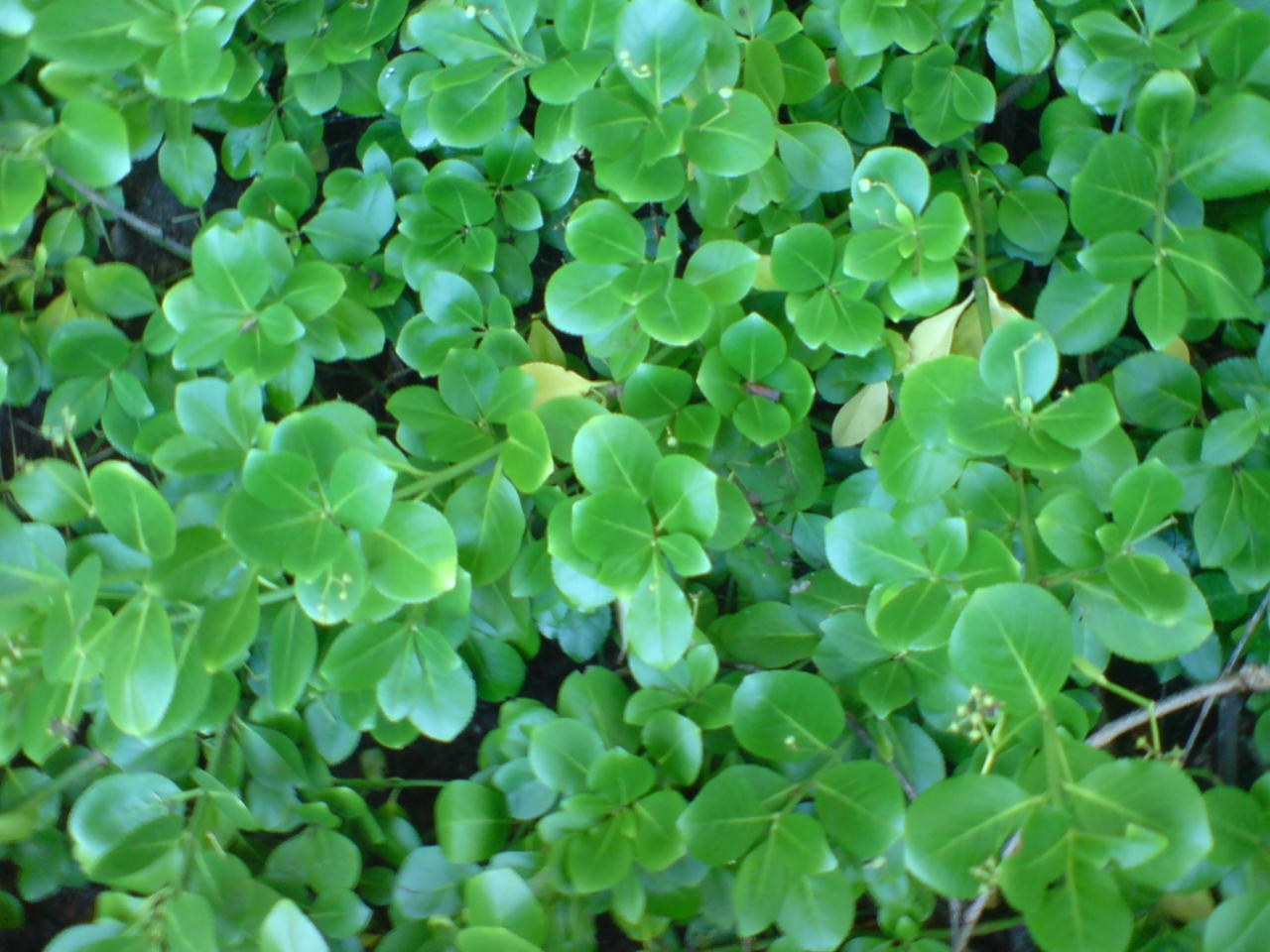
- Leaves: Glossy, leathery, dark green, elliptical with finely serrated edges, alternate
- Habit: Dense, upright evergreen shrub, typically 6-12 ft but can reach tree size with age
- Bloom time: Fall through spring depending on species (sasanqua earlier, japonica later)
- Bark: Smooth, gray; older plants develop attractive multi-stemmed form
Care & growing
Camellias reward attention to soil and siting.
- Light: Bright dappled or partial shade; protect from harsh midday sun and cold drying winds
- Water: Keep soil consistently moist, especially during bud formation in summer and fall; never waterlogged
- Soil: Acidic, humus-rich, well-drained soil is essential; they dislike lime
- Temperature: Most are hardy in USDA zones 7-9; protect buds from hard freezes
- Feeding: Apply an acidic (ericaceous) fertilizer after flowering in spring
- Propagation: Semi-hardwood cuttings in summer, or grafting for choice cultivars
Mulch to keep roots cool and moist, and avoid planting too deep, which stresses the shallow root system.
Habitat & origin
Camellias are native to the woodlands and forest margins of eastern and southern Asia, particularly China, Japan, and Korea, where they grow as understory shrubs in acidic, organic-rich soils.
They are now widely cultivated in temperate and mild-climate gardens across the world, especially in regions with acidic soils such as the southeastern United States, the UK, the Pacific Northwest, and parts of the Mediterranean.
Frequently asked questions
Why are my camellia buds dropping before opening?
Bud drop is usually caused by inconsistent watering, sudden cold snaps, or drought stress the previous summer when buds were forming.
Why are my camellia leaves turning yellow?
Yellowing between green veins often signals iron deficiency from soil that is too alkaline; camellias need acidic soil and may benefit from an ericaceous feed.
When do camellias bloom?
It depends on the species: sasanqua types flower in fall to early winter, while japonica types bloom from late winter into spring.
Can camellias grow in pots?
Yes, they do well in containers of acidic potting mix, which also lets you move them to shelter buds from frost.
Camellia guides
In-depth guides for identifying, growing, and caring for Camellia.
How to Care for Camellia
Grow lush, glossy-leaved Camellia japonica with the right acidic soil, dappled shade, and even moisture for waves of showy winter-to-spring blooms.
Camellia Identification Guide
Recognize camellias by their large rose-like blooms, glossy evergreen leaves, and winter-to-spring flowering on woody shrubs. Covers how to separate the major species and similar plants.