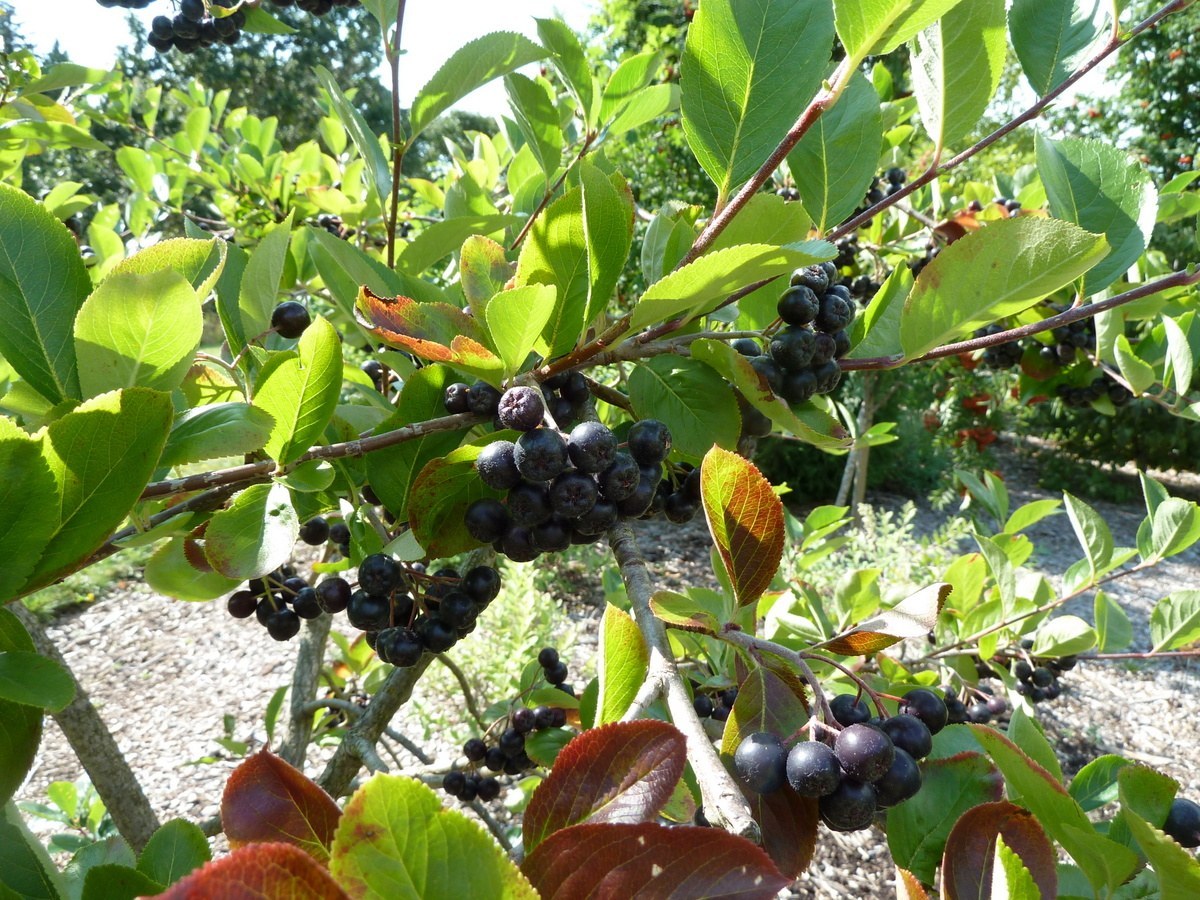
Chokeberry
Aronia melanocarpa
Chokeberry is a hardy North American native shrub with white spring flowers, glossy berries, and fiery fall foliage. It is exceptionally adaptable and wildlife-friendly.
- Light
- Full sun to part shade
- Water
- Moderate; tolerates wet and dry soil
- Difficulty
- Easy
Got a plant like this?
Identify any plant from a photo, free.
Overview
Chokeberry (Aronia) is a tough, multi-season native shrub in the rose family, available chiefly as black chokeberry (A. melanocarpa) and red chokeberry (A. arbutifolia). It offers white spring blossoms, glossy foliage, abundant berries, and brilliant red fall color.
The astringent fruits give the plant its 'choke' name. Birds and wildlife relish them.
Undemanding and cold-hardy, chokeberry tolerates wet soils, dry soils, and a wide range of conditions, making it a reliable landscape shrub.
How to identify it
An upright, suckering deciduous shrub.
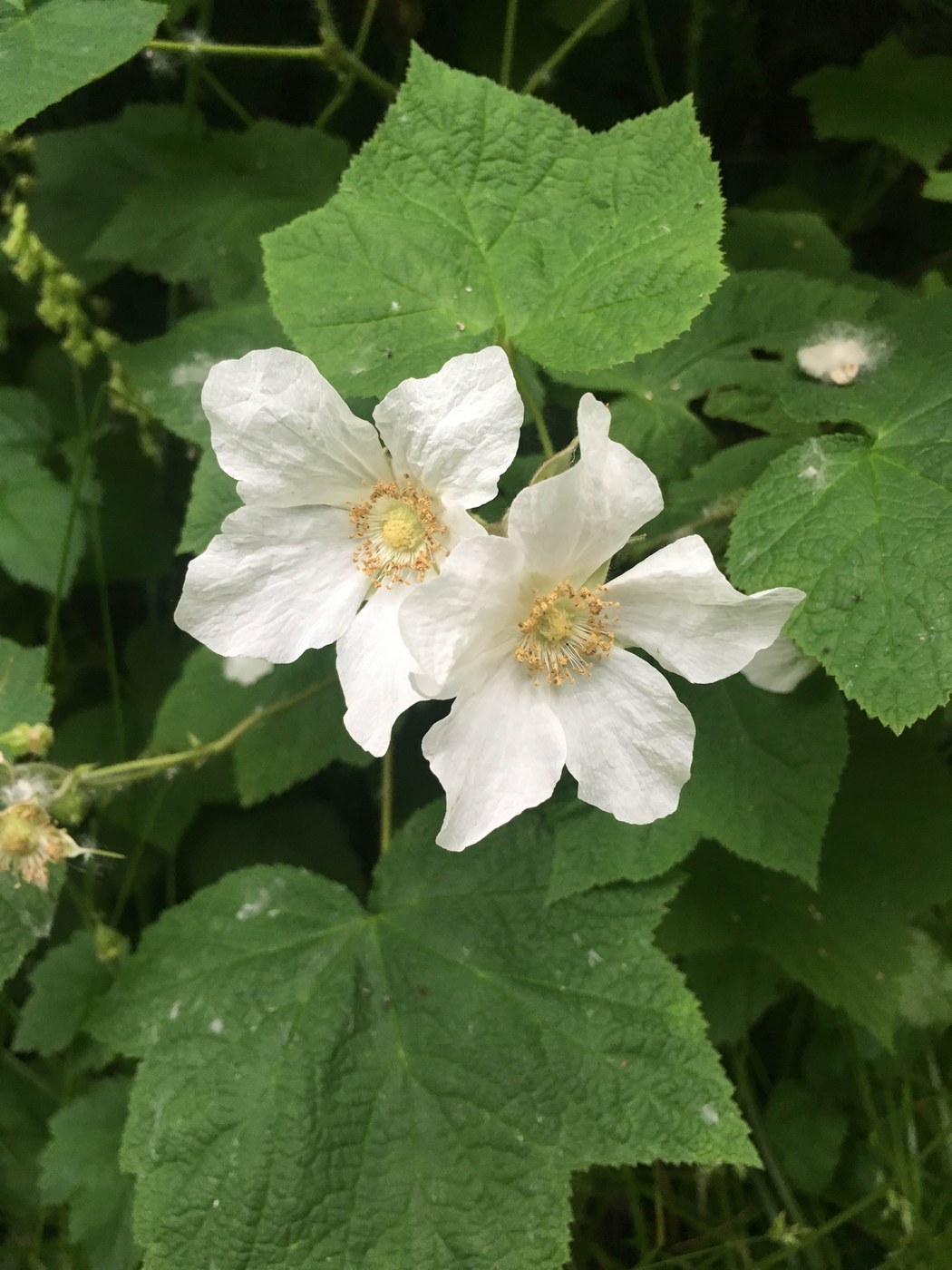
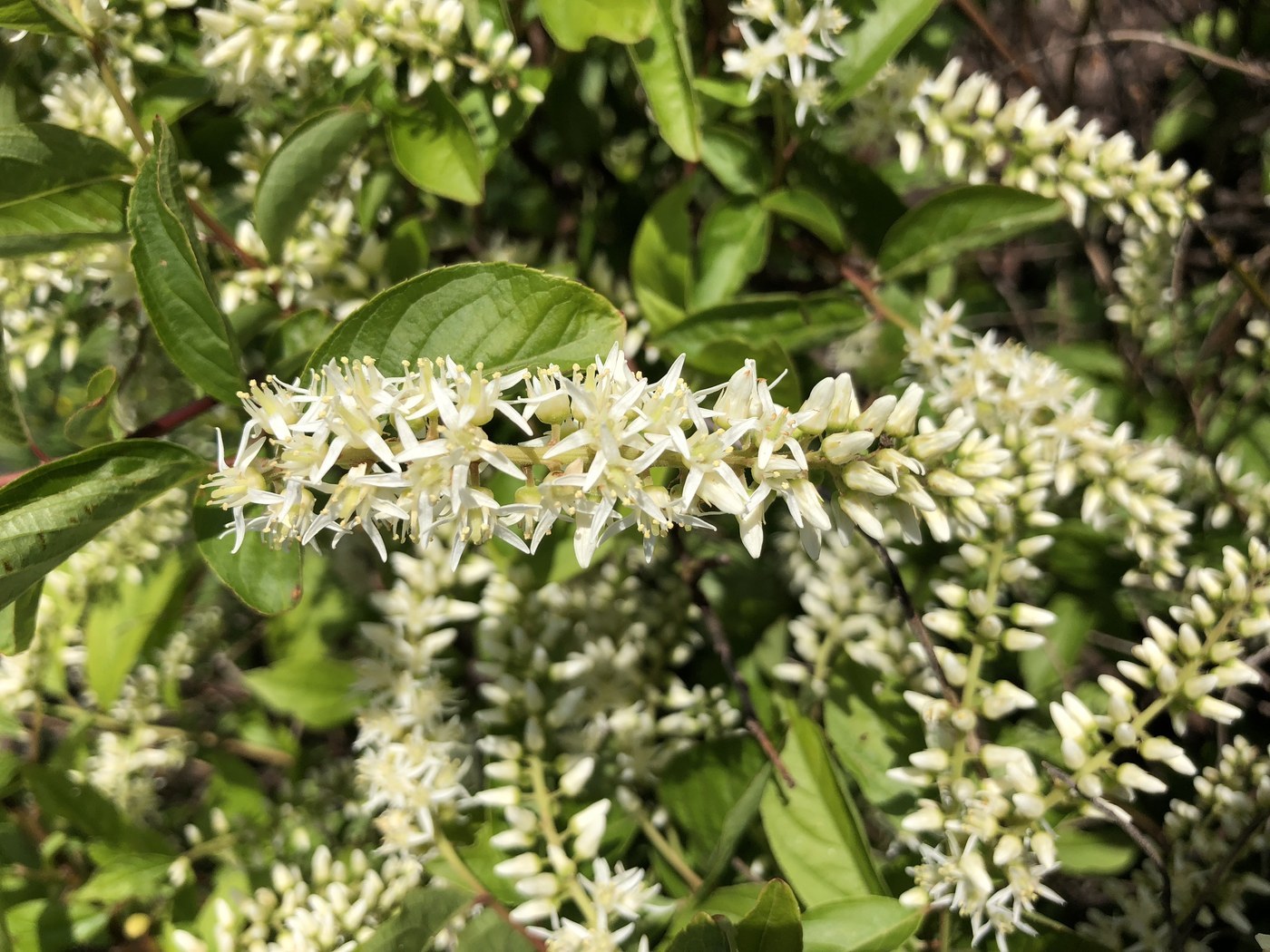
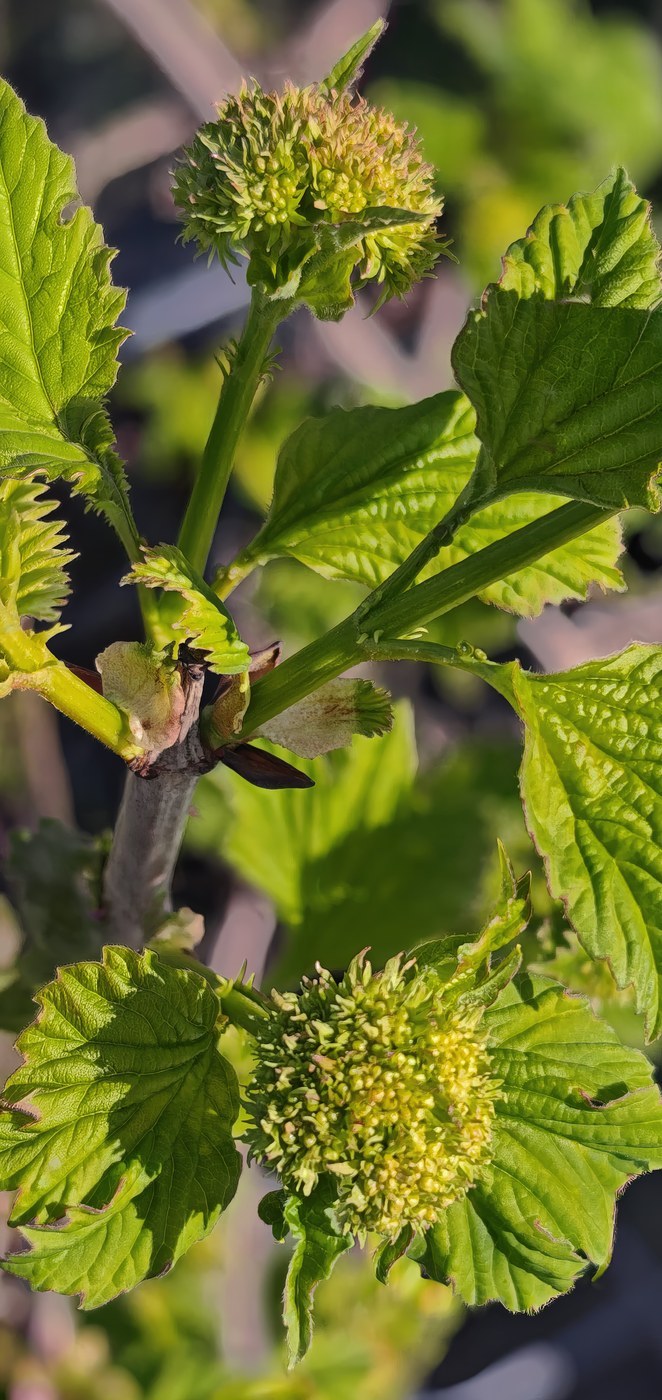
- Flowers: flat clusters of small white (sometimes pinkish) 5-petaled blooms in spring
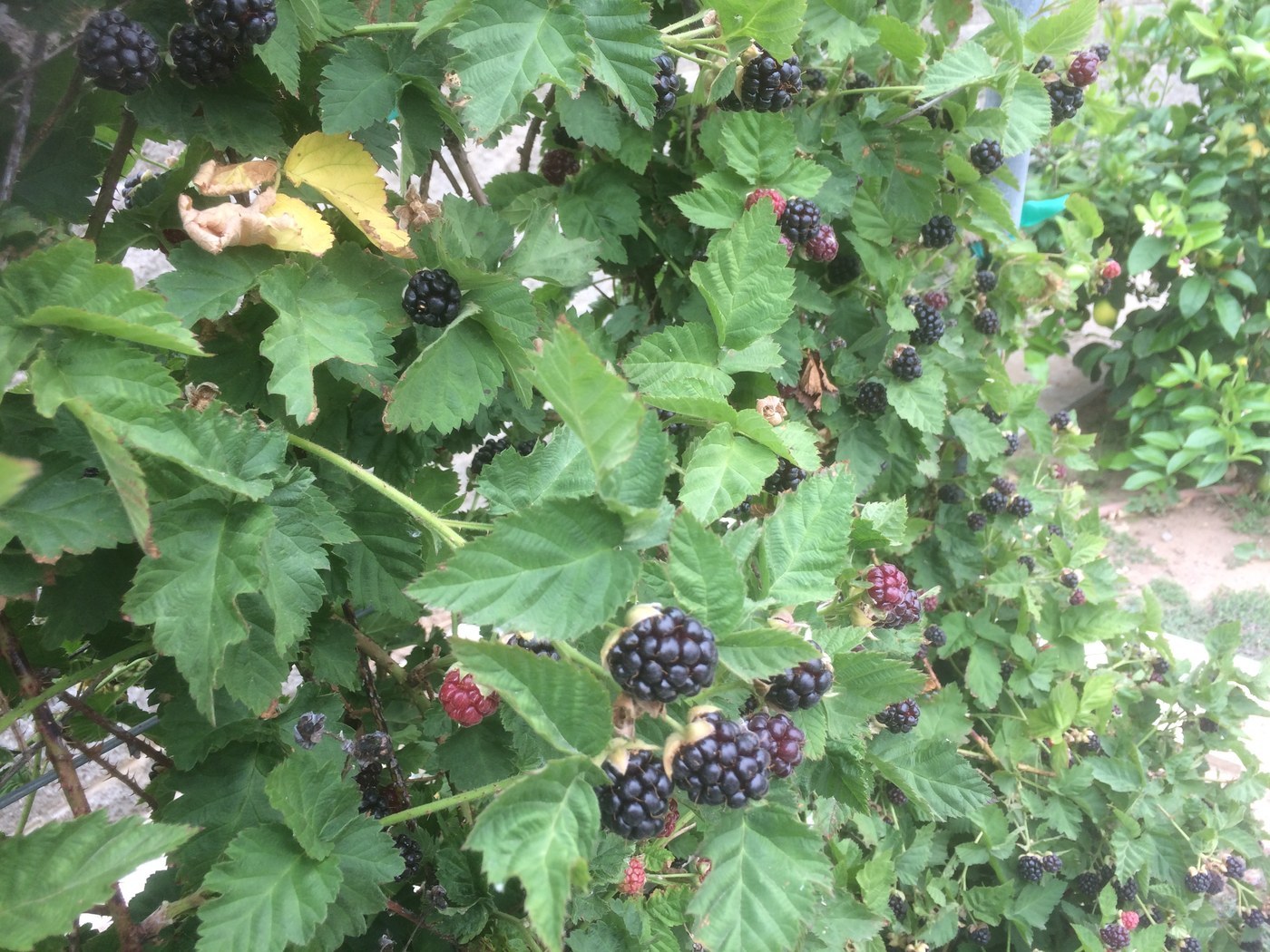
- Fruit: pea-sized pomes—glossy black (A. melanocarpa) or red (A. arbutifolia)—ripening late summer to fall
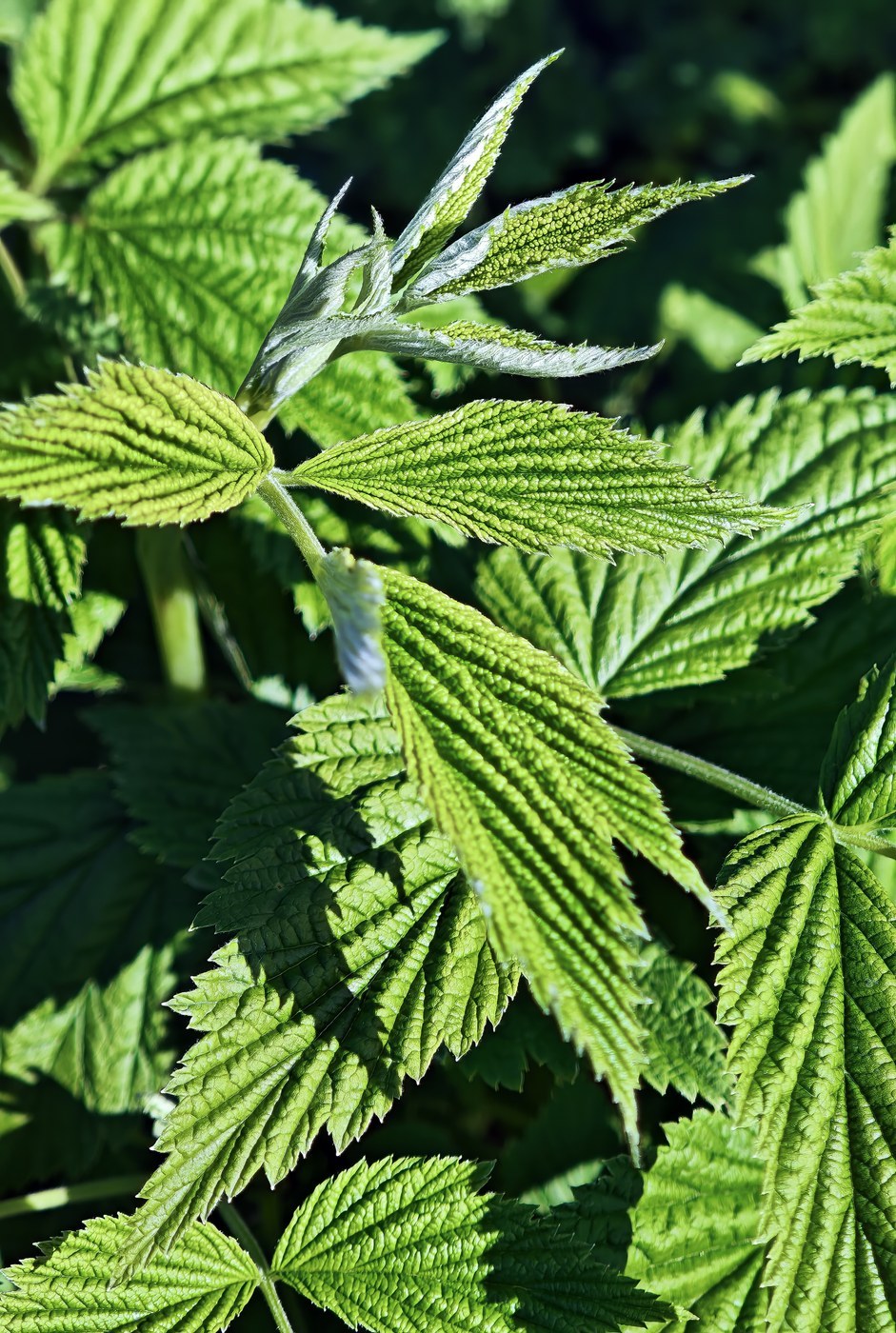
- Leaves: glossy, oval, finely toothed, with small dark glands along the midrib (a key ID trait)
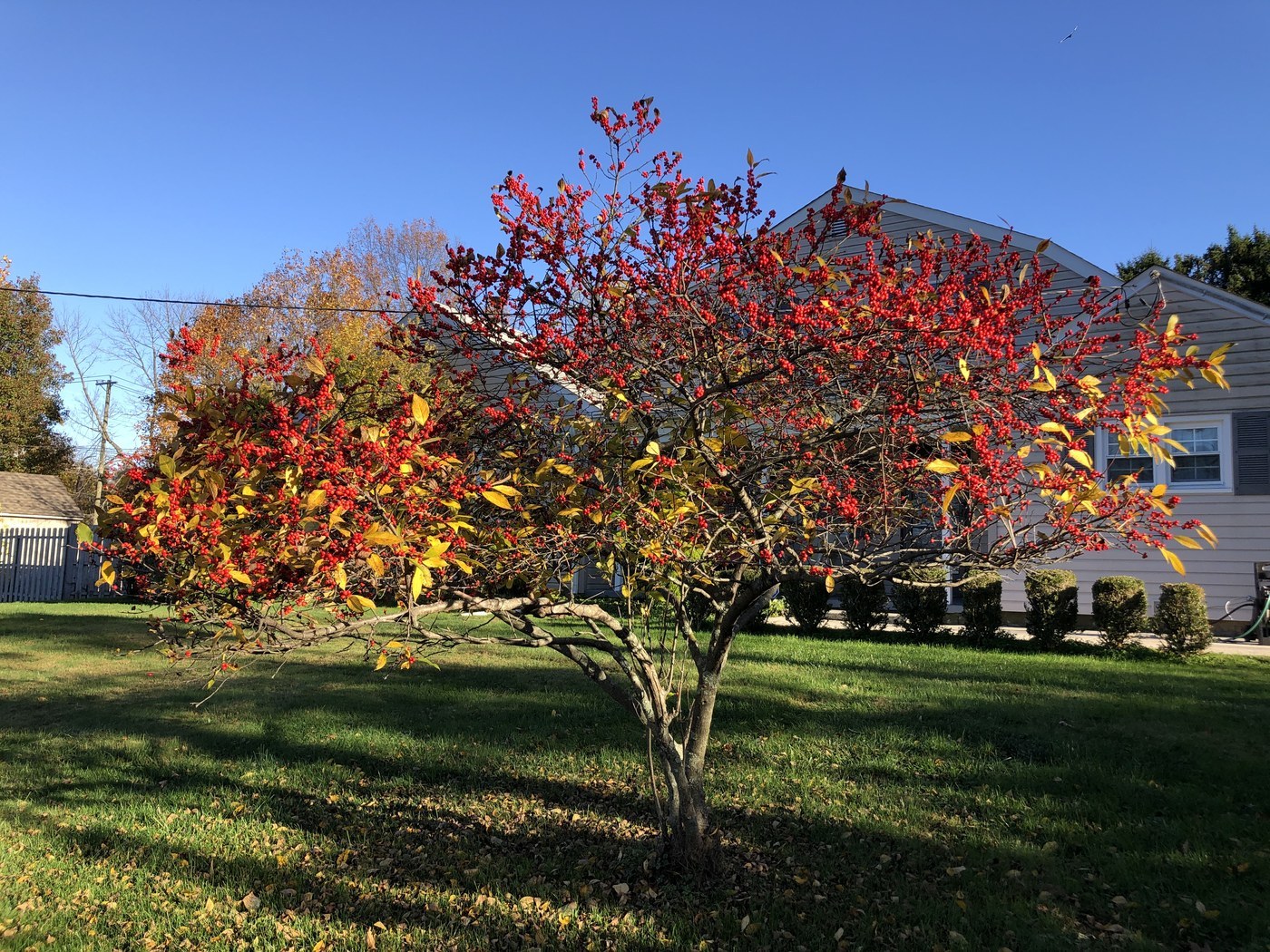
- Fall color: vivid red to purple
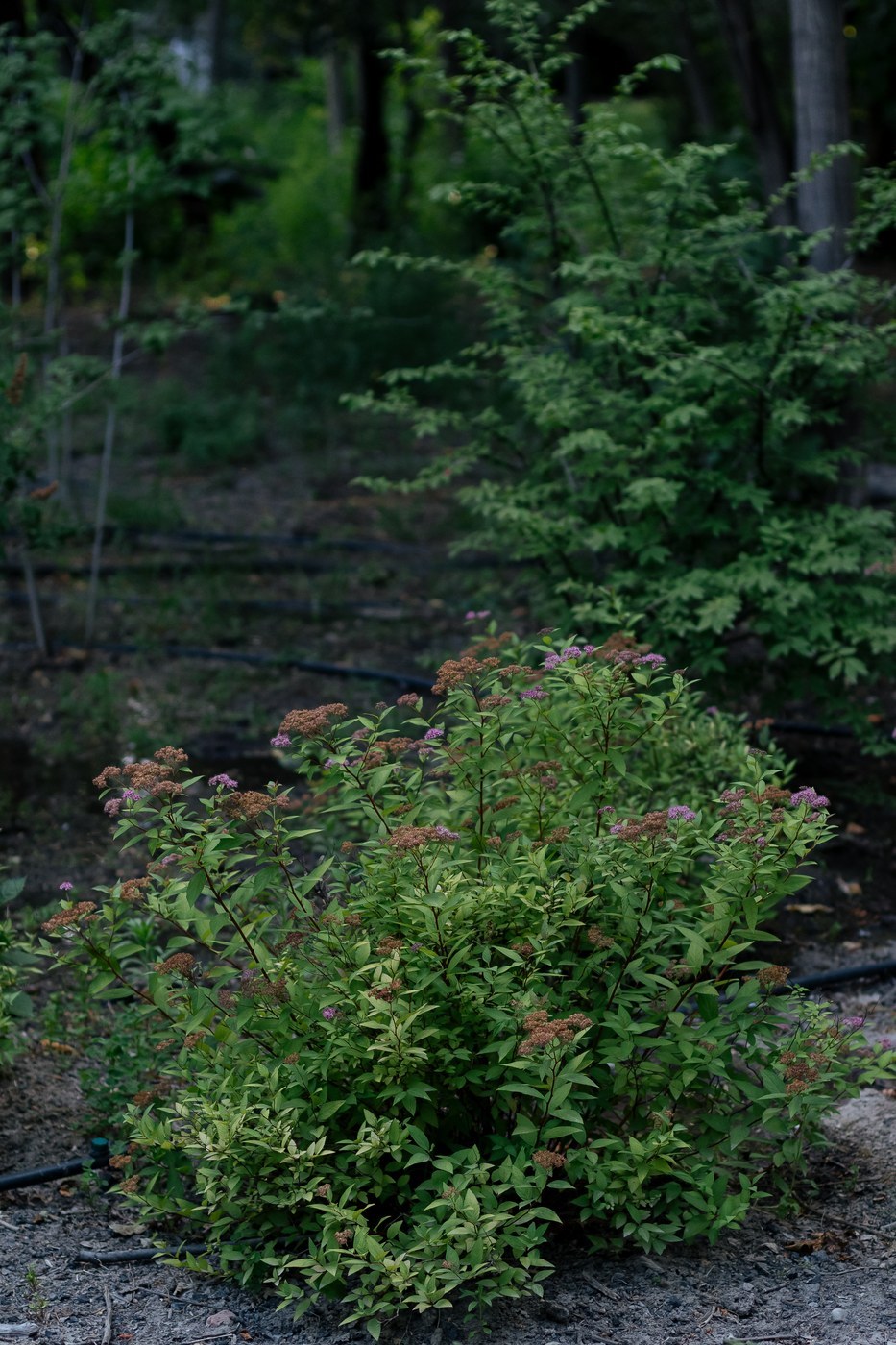
- Habit: 3–8 ft tall, multi-stemmed, forming colonies by suckering
Care & growing
Remarkably adaptable and low-maintenance.
- Light: full sun yields the most flowers, fruit, and fall color; tolerates part shade
- Water: handles both periodically wet and moderately dry soils
- Soil: thrives in a wide pH range; prefers moist, acidic, well-drained soil
- Temperature: very cold hardy, USDA zones 3–8
- Feeding: minimal; a light spring feeding if soil is poor
- Pruning: remove old or crowded canes in late winter; thin suckers to control spread
- Propagation: by suckers, division, softwood cuttings, or seed
Habitat & origin
Aronia species are native to eastern North America, growing in wetlands, bogs, swamp margins, and dry upland woods and clearings—evidence of their broad tolerance.
They are planted across temperate gardens for ornament and wildlife, and are commercially cultivated (especially in Eastern Europe and North America).
Frequently asked questions
What's the difference between black and red chokeberry?
Black chokeberry (A. melanocarpa) is more compact with black fruit; red chokeberry (A. arbutifolia) is taller with red berries. Both share white flowers and red fall color.
Is chokeberry the same as chokecherry?
No. Chokeberry is Aronia, a suckering shrub with pome fruit. Chokecherry is Prunus virginiana, a different plant.
Does chokeberry spread?
Yes, it suckers to form colonies. This is useful for naturalizing or erosion control but can be managed by removing suckers.
How do I identify a chokeberry shrub?
Look for an upright, suckering shrub with glossy finely toothed leaves bearing small dark glands along the midrib, white spring flower clusters, and glossy black or red pea-sized fruit.
Chokeberry guides
In-depth guides for identifying, growing, and caring for Chokeberry.
How to Care for Chokeberry
An adaptable native shrub with spring flowers, glossy dark fruit, and brilliant fall color that tolerates sun, shade, wet, and dry soils.
Chokeberry Identification Guide
Identify Chokeberry (Aronia) by its white spring flower clusters, glossy toothed leaves with dark gland-dotted midribs, and red or black berries.