Cotoneaster
Cotoneaster horizontalis
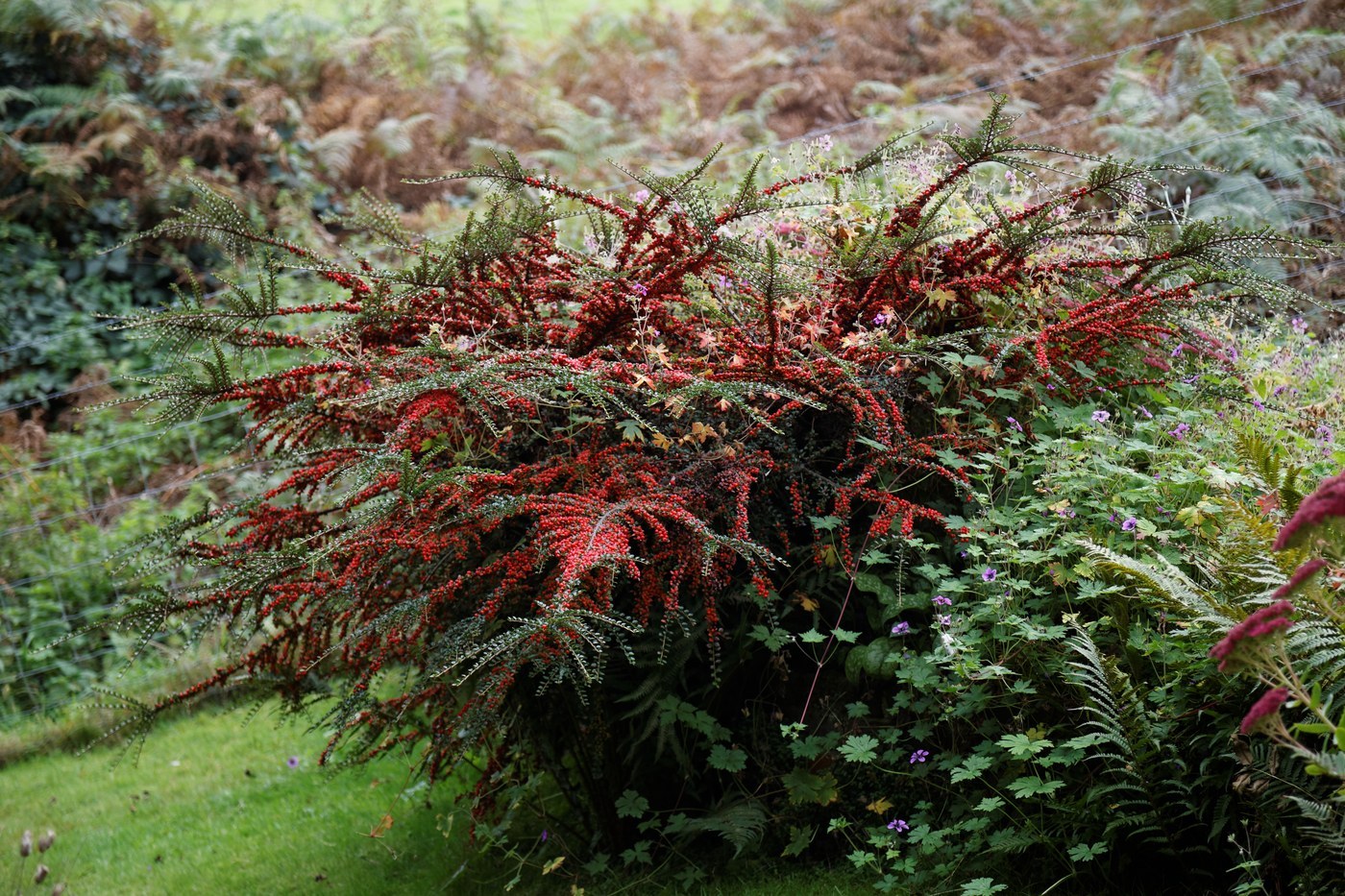
Cotoneaster is a versatile, easy shrub ranging from flat groundcovers to upright forms, valued for small flowers, brilliant red berries and dense, often herringbone-patterned branches. It is a magnet for birds.
- Light
- Full sun to part shade
- Water
- Low to moderate; drought tolerant once established
- Difficulty
- Easy
Got a plant like this?
Identify any plant from a photo, free.
Overview
Cotoneaster is a large genus of shrubs in the rose family, ranging from low, spreading groundcovers to arching, upright forms. They are grown for their tidy structure, white or pink spring flowers and abundant red or orange autumn berries.
Cotoneaster horizontalis, the rockspray cotoneaster, is especially distinctive for its flat, fishbone or herringbone branching pattern that drapes attractively over walls, slopes and rockeries.
Tough, adaptable and largely trouble-free, cotoneasters thrive in a wide range of soils and conditions, though several species are considered invasive outside their native range.
How to identify it
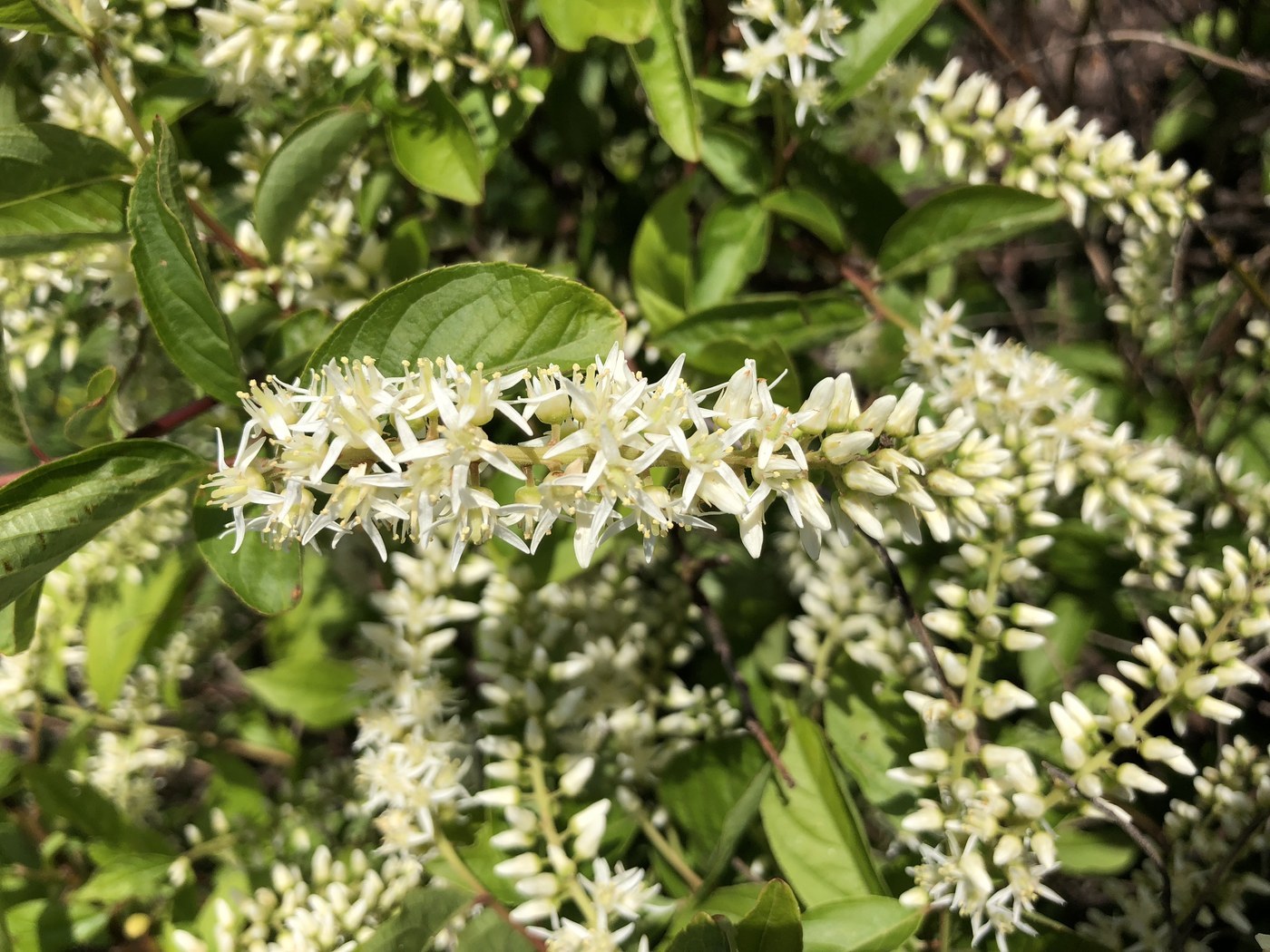
- Flowers: small, 5-petaled white or pinkish flowers in late spring, attractive to bees
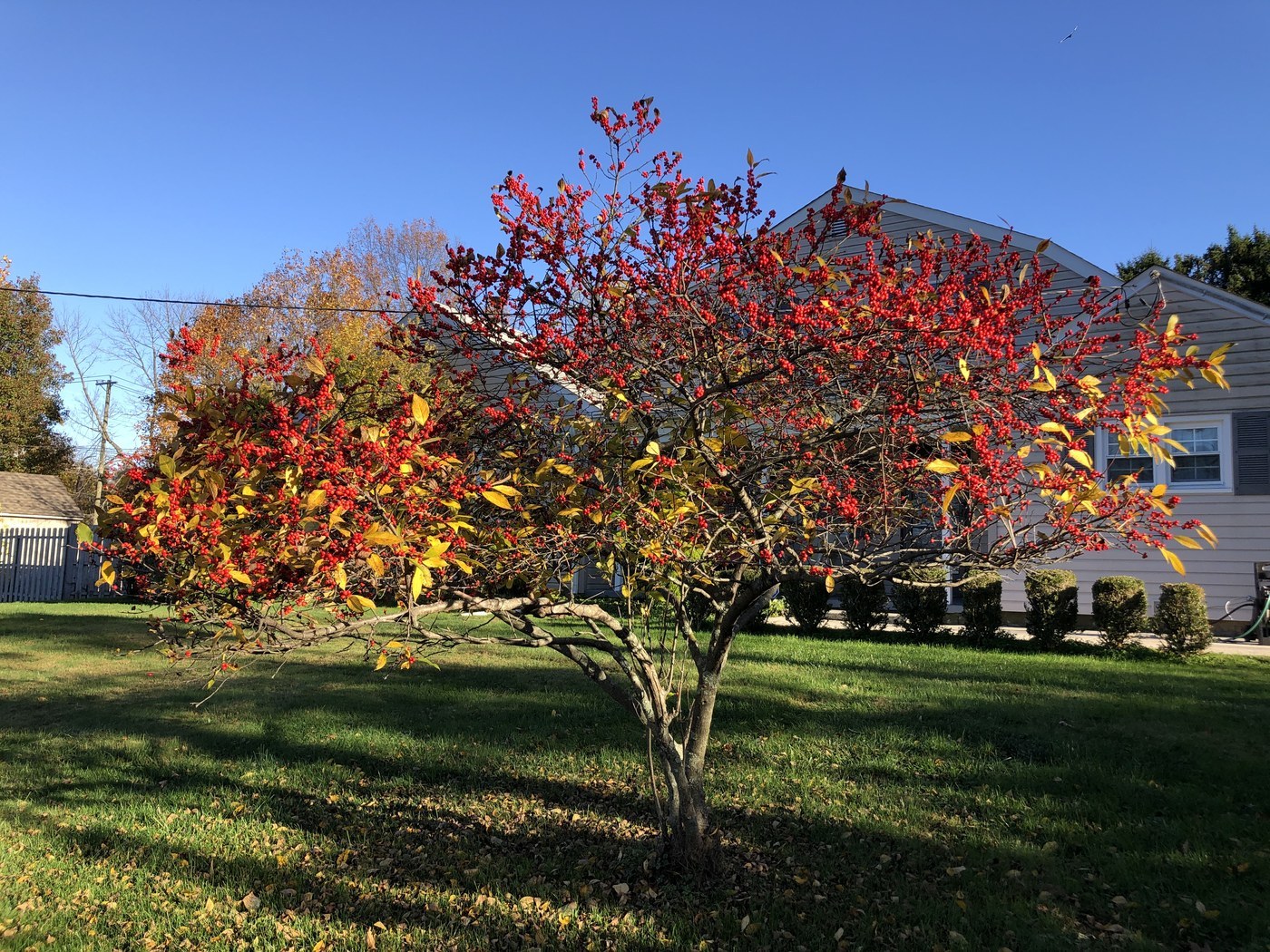
- Fruit: abundant small, round red to orange berries (pomes) persisting into winter
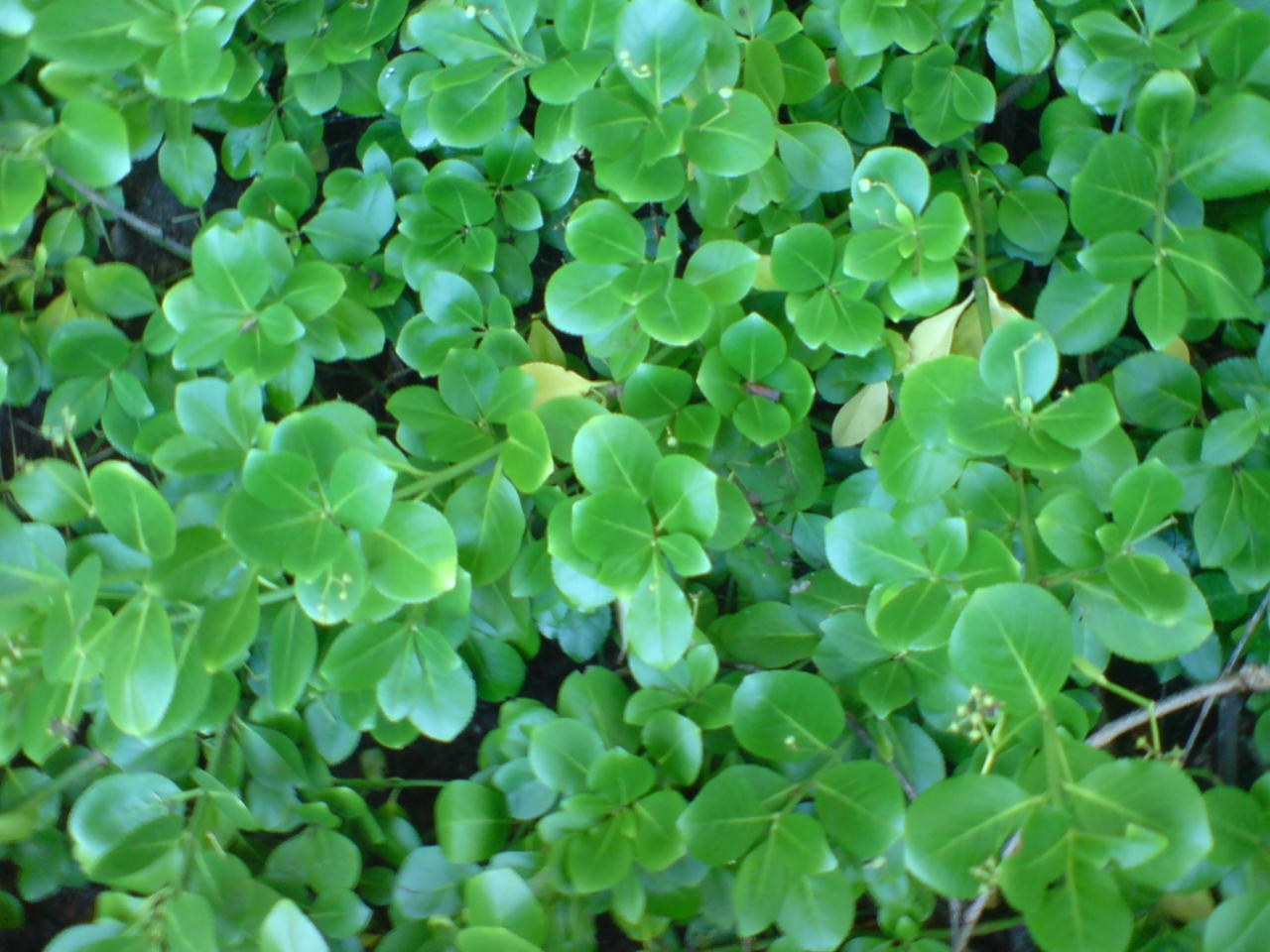
- Leaves: small, glossy, dark green, often turning red in autumn; deciduous or evergreen depending on species
- Habit: variable, from flat groundcovers to upright shrubs; C. horizontalis shows a flat herringbone branch pattern
- Branches: stiff, regularly forked
Care & growing
Adaptable to full sun or part shade; best fruiting and color in sun.
- Water: drought tolerant once established; little supplemental water needed
- Soil: tolerant of most well-drained soils, including poor and alkaline ones
- Temperature: hardiness varies by species, broadly USDA zones 4 to 8
- Feeding: minimal; generally needs none
- Pruning: prune to shape after fruiting; tolerates trimming for hedges or wall training
- Pests and disease: can be affected by fireblight and woolly aphid; remove affected wood
- Propagation: seed (slow) or semi-hardwood cuttings; readily self-sows
Habitat & origin
Native to temperate regions of Asia, Europe and North Africa, with many species from China and the Himalayas, growing on rocky slopes, scrub and woodland edges.
Widely planted worldwide for landscaping. Note that some species, including C. horizontalis, have naturalized and are regarded as invasive in parts of the UK, North America and elsewhere because birds spread the seeds.
Frequently asked questions
What is the herringbone-branched type?
That is rockspray cotoneaster (Cotoneaster horizontalis), prized for its flat fishbone branching that drapes over walls and rocks.
Is cotoneaster invasive?
Several species, including rockspray, have naturalized and are considered invasive in parts of the UK and North America because birds spread the seeds. Check local guidance.
How do I get more berries?
Grow it in full sun and avoid heavy pruning that removes flowering wood. More sun generally means more flowers and fruit.
How do I recognize a cotoneaster?
Look for a shrub with small glossy leaves, tiny 5-petaled white or pink spring flowers, and abundant small round red-to-orange berries; forms range from flat groundcovers to upright shrubs.
Cotoneaster guides
In-depth guides for identifying, growing, and caring for Cotoneaster.
How to Care for Cotoneaster
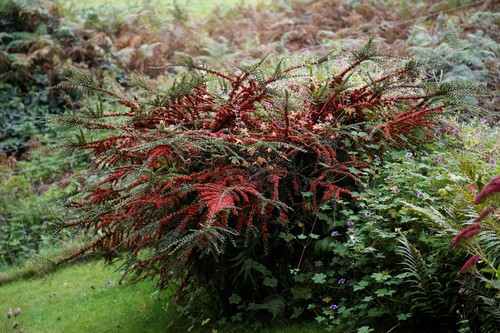
Cotoneaster horizontalis is a tough, low-spreading shrub with herringbone branches, spring flowers, and bright fall berries.
Cotoneaster Identification Guide
Recognize cotoneaster by its small simple leaves, arching herringbone branches, tiny white-to-pink flowers, and masses of bright red berries.