Flowering Almond
Prunus glandulosa
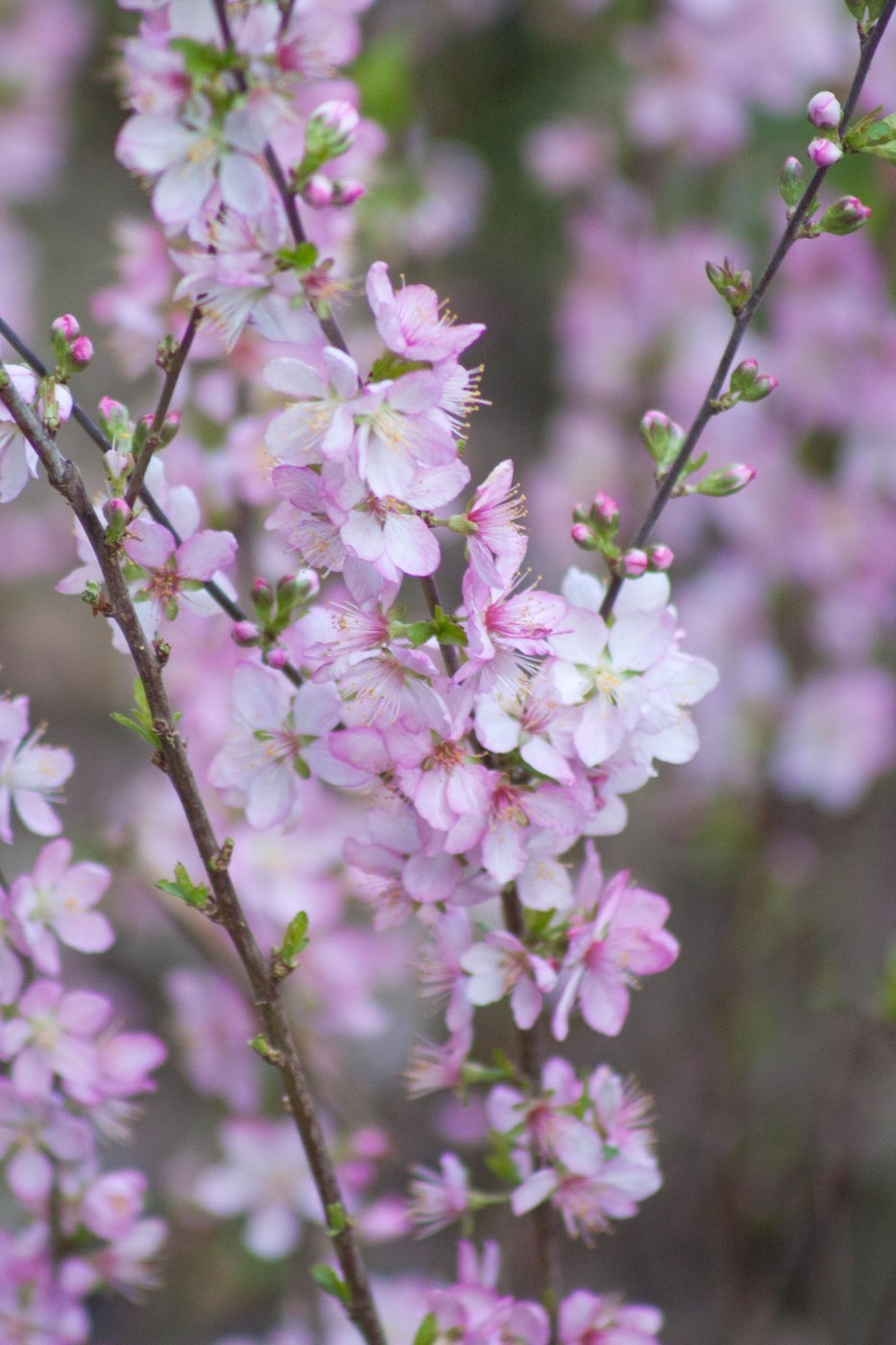
Flowering almond is a small deciduous ornamental shrub prized for its profuse pink or white pompom-like blossoms that smother the bare branches in early spring. It is grown purely for ornamental display.
- Light
- Full sun
- Water
- Weekly; moderate, well-drained
- Difficulty
- Easy
Got a plant like this?
Identify any plant from a photo, free.
Overview
Flowering almond (Prunus glandulosa) is a compact, twiggy deciduous shrub in the rose family, native to China and Japan and grown across temperate gardens for its spectacular spring bloom. The double-flowered forms ('Sinensis', 'Alba Plena') are the most popular, producing rows of carnation-like pink or white pompons along every stem before the leaves emerge.
It typically reaches 4-5 ft tall and wide, making it a manageable accent for borders, foundations or cottage gardens. The bloom is brief but dazzling, and the plant is otherwise unremarkable for the rest of the year, so it is usually paired with summer-interest companions.
How to identify it
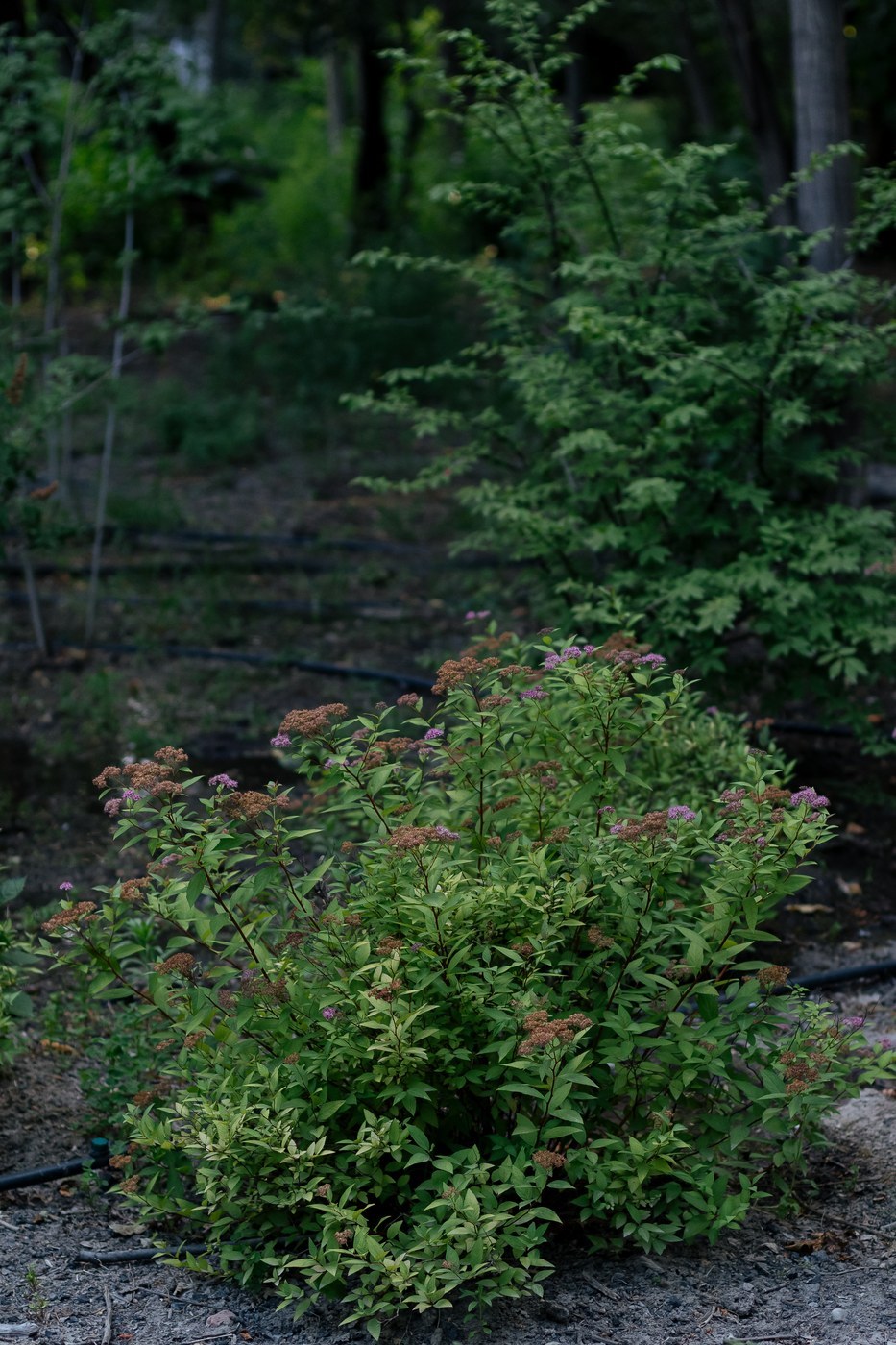
- Habit: Rounded, multi-stemmed shrub 4-5 ft tall with slender, arching twigs.
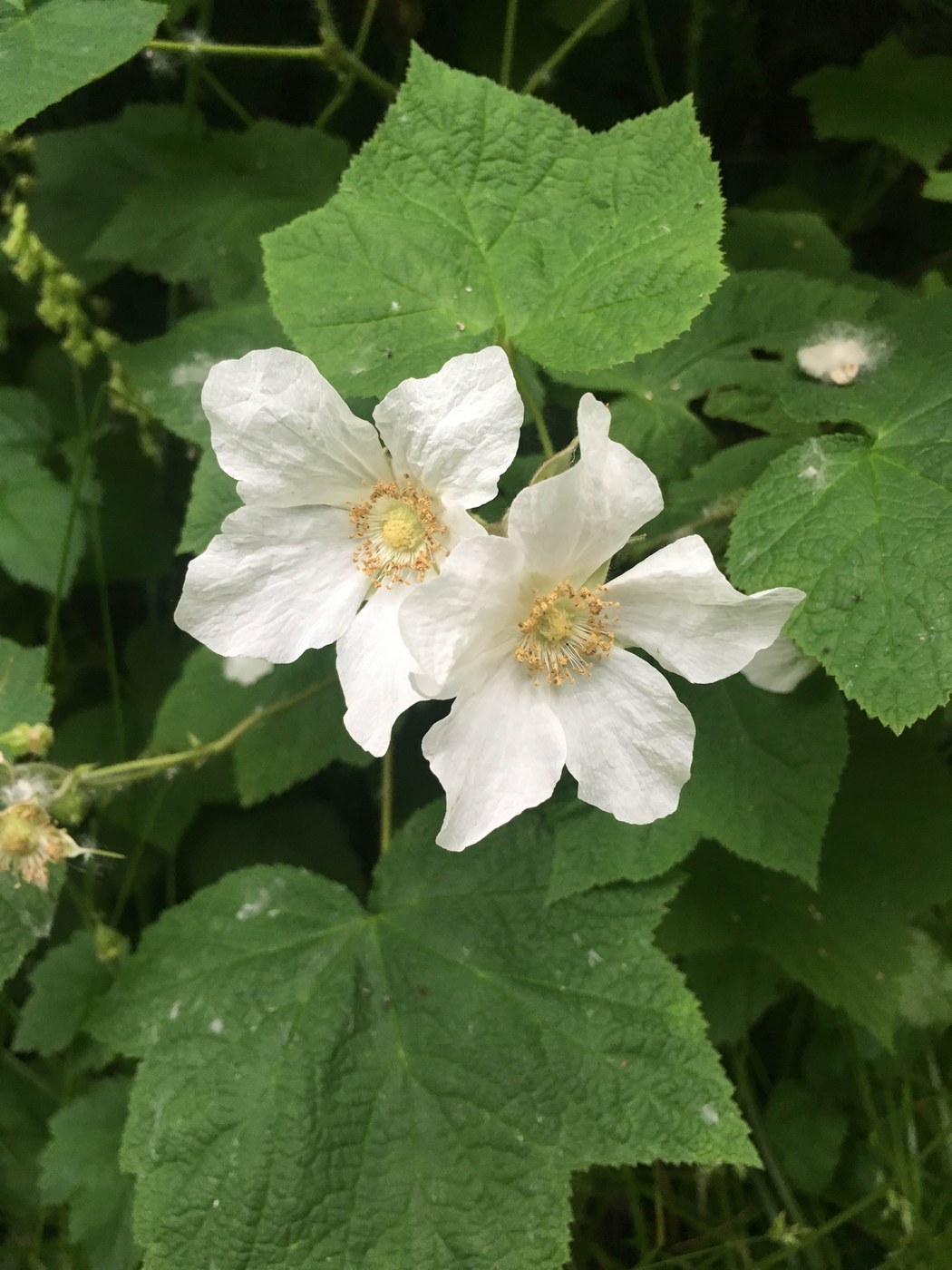
- Flowers: Early-spring, 1-inch single or double blooms in pink or white, lined densely along bare branches.
- Leaves: Narrow, oval, finely toothed, bright green, 1-3 in long, emerging after flowers.
- Fruit: Small red drupes on single-flowered forms; double forms rarely fruit.
- Bark: Thin, gray-brown on young stems.
Care & growing
Light: Full sun for best flowering; tolerates light afternoon shade.
Water: Keep evenly moist when young; established plants need only weekly water in dry spells. Avoid waterlogged soil.
Soil: Average, well-drained loam; tolerates a range of pH.
Temperature: Hardy in USDA zones 4-8.
Feeding: A spring application of balanced fertilizer is plenty.
Pruning/Propagation: Prune immediately after flowering since blooms form on old wood. Propagate from softwood cuttings in summer.
Habitat & origin
Native to central and northern China and naturalized in Japan, where it grows on hillsides and woodland margins. It has been cultivated in East Asian gardens for centuries and was introduced to Western horticulture in the 19th century.
Today it is widely planted as an ornamental throughout temperate North America, Europe and Asia in zones 4-8.
Frequently asked questions
When should I prune it?
Right after it finishes blooming in spring, because flower buds form on the previous year's wood.
Why didn't mine flower well?
Usually too much shade or pruning at the wrong time. Give it full sun and prune only just after bloom.
How big does flowering almond get?
It is a compact, multi-stemmed shrub that typically reaches about 4-5 ft tall and wide, with slender, arching twigs.
When does it bloom?
In early spring, producing pink or white pompom-like blossoms densely along the bare branches before the leaves emerge.
Flowering Almond guides
In-depth guides for identifying, growing, and caring for Flowering Almond.
How to Care for Flowering Almond
Grow flowering almond (Prunus glandulosa), an easy deciduous shrub prized for its clouds of pink spring blossoms.
Flowering Almond Identification Guide
How to recognize the ornamental flowering almond (Prunus glandulosa / Prunus triloba) by its early-spring puffs of pink double blooms, arching twiggy stems, and small toothed leaves.
Flowering Almond identified by the community
Real specimens identified with Plant Identifier.