Goatsbeard
Aruncus dioicus
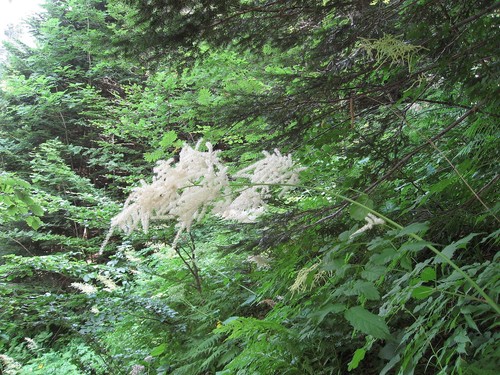
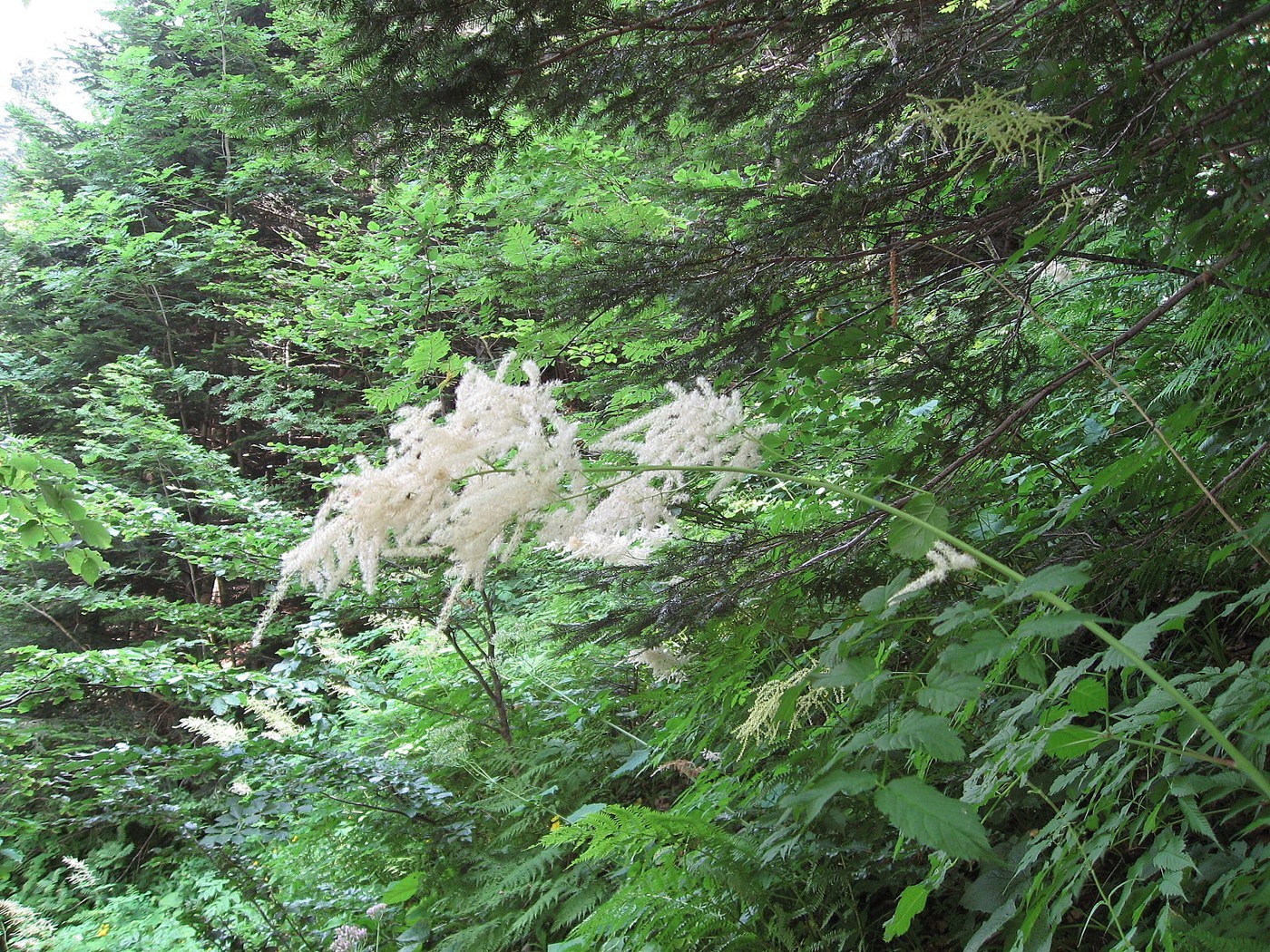
Goatsbeard is a robust, shade-loving perennial that produces tall, feathery plumes of creamy-white flowers, resembling a giant astilbe. It is a striking native woodland plant for moist, partly shaded gardens.
- Light
- Part shade to full shade
- Water
- Keep consistently moist
- Difficulty
- Easy
Got a plant like this?
Identify any plant from a photo, free.
Overview
Goatsbeard (Aruncus dioicus) is a large, clump-forming herbaceous perennial in the rose family (Rosaceae). It earns its name from the feathery, branching flower plumes that arch above the foliage in early summer.
The plant is dioecious, meaning male and female flowers occur on separate plants; the male plants produce showier, fuller, creamier plumes. Reaching 4 to 6 feet tall, it makes a bold architectural statement in moist, shady borders.
Despite its imposing size, goatsbeard is low-maintenance and long-lived once established, returning reliably year after year.
How to identify it
Look for a large, bushy perennial with a fountain-like habit and prominent flower spires.
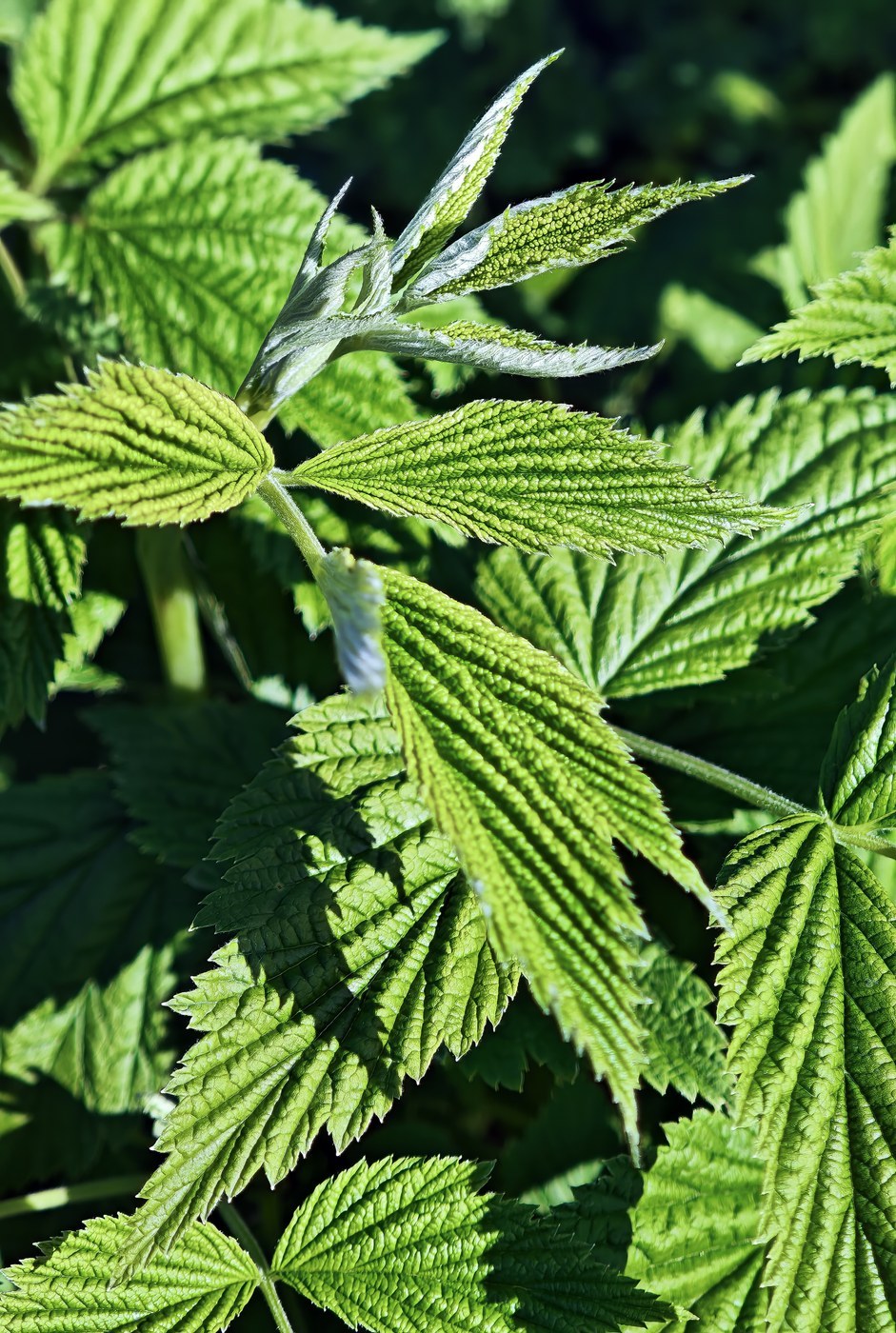
- Leaves: Large, compound (two to three times pinnate), with toothed, pointed leaflets, fern-like in texture
- Flowers: Tiny creamy-white blooms massed into branching, plume-like panicles 6 to 20 inches long, appearing late spring to early summer
- Size: Typically 4 to 6 feet tall and nearly as wide
- Habit: Dense, upright clump resembling an oversized astilbe
- Sex: Separate male (fuller, brighter plumes) and female (looser, greenish, seed-bearing) plants
Care & growing
Goatsbeard is forgiving and adaptable in the right conditions.
- Light: Part to full shade; tolerates more sun in cooler climates if kept moist
- Water: Prefers consistently moist soil and dislikes drought
- Soil: Rich, humusy, well-draining soil with plenty of organic matter
- Temperature: Hardy in USDA zones 3 to 7; very cold-tolerant
- Feeding: Apply compost or a balanced fertilizer in spring
- Propagation: Division in spring or fall (the woody crown can be tough to cut); seed is slow and only female plants set seed
Habitat & origin
Goatsbeard is native to moist woodlands, ravines, and stream banks across the cooler temperate regions of the Northern Hemisphere, including North America, Europe, and Asia.
In gardens it thrives in shaded borders, woodland gardens, and along pond or stream edges where soil stays reliably damp. It is widely grown across temperate zones as an easy, native-friendly accent plant.
Frequently asked questions
Is goatsbeard the same as astilbe?
No, but they look similar and share moist, shady habitats. Goatsbeard (Aruncus) is much larger and is in the rose family, while astilbe is in the saxifrage family.
How big does goatsbeard get?
Most plants reach 4 to 6 feet tall and 3 to 4 feet wide, forming a substantial shrub-like clump.
Does goatsbeard need full shade?
It does best in part to full shade. It can take more sun in cool climates only if the soil is kept consistently moist.
Why isn't my goatsbeard setting seed?
The plant is dioecious. Only female plants produce seed, and they need a nearby male plant for pollination.
Goatsbeard guides
In-depth guides for identifying, growing, and caring for Goatsbeard.