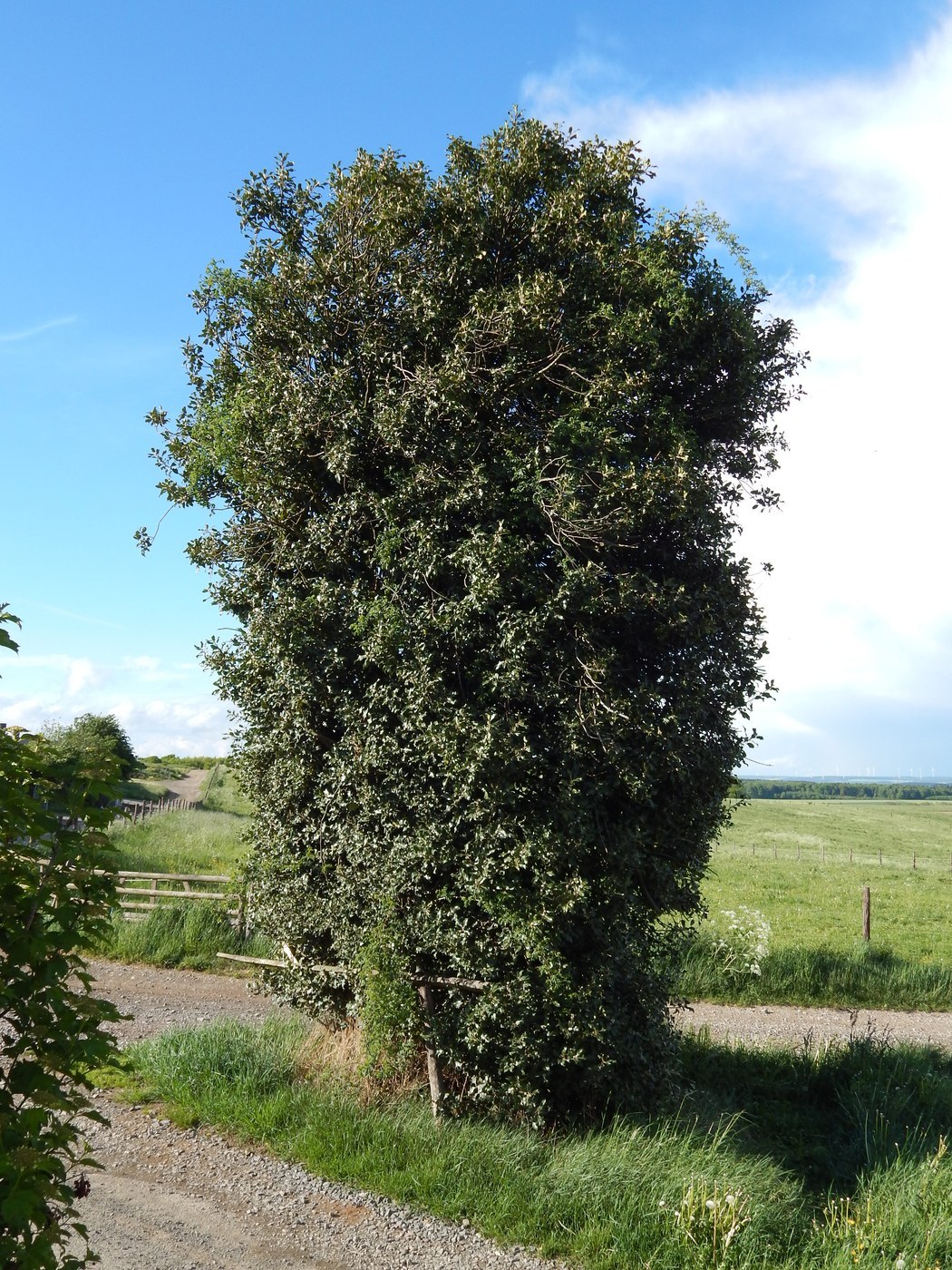
Holly
Ilex aquifolium
A classic evergreen shrub or small tree with glossy, spiny leaves and bright red berries, long associated with winter and Christmas. Most hollies need separate male and female plants for berries to form.
- Light
- Full sun to part shade
- Water
- Moderate; keep evenly moist
- Difficulty
- Easy
Got a plant like this?
Identify any plant from a photo, free.
Overview
Holly is an evergreen (sometimes deciduous) shrub or small tree best known for its glossy, often spiny dark green leaves and bright red winter berries. English holly (Ilex aquifolium) is the traditional Christmas holly of Europe, though the genus Ilex spans hundreds of species worldwide.
Most hollies are dioecious—male and female flowers occur on separate plants—so a female plant needs a nearby male pollinator to set its showy berries.
Dense and tolerant of shearing, holly makes an excellent hedge, screen or specimen, providing year-round structure and winter color.
How to identify it
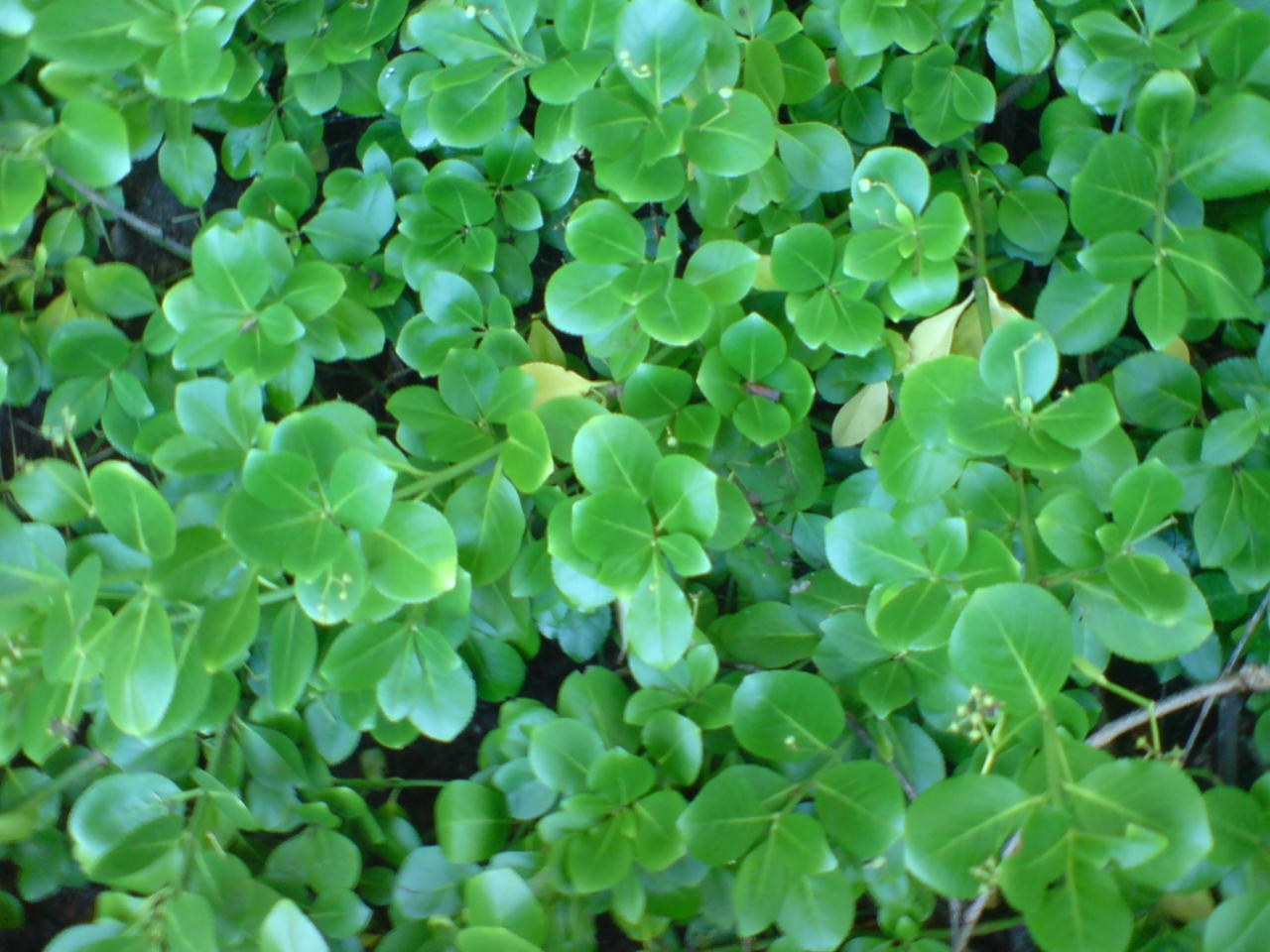
- Leaves: glossy, leathery, dark green, with wavy, spiny margins (often smoother on older/upper growth); evergreen
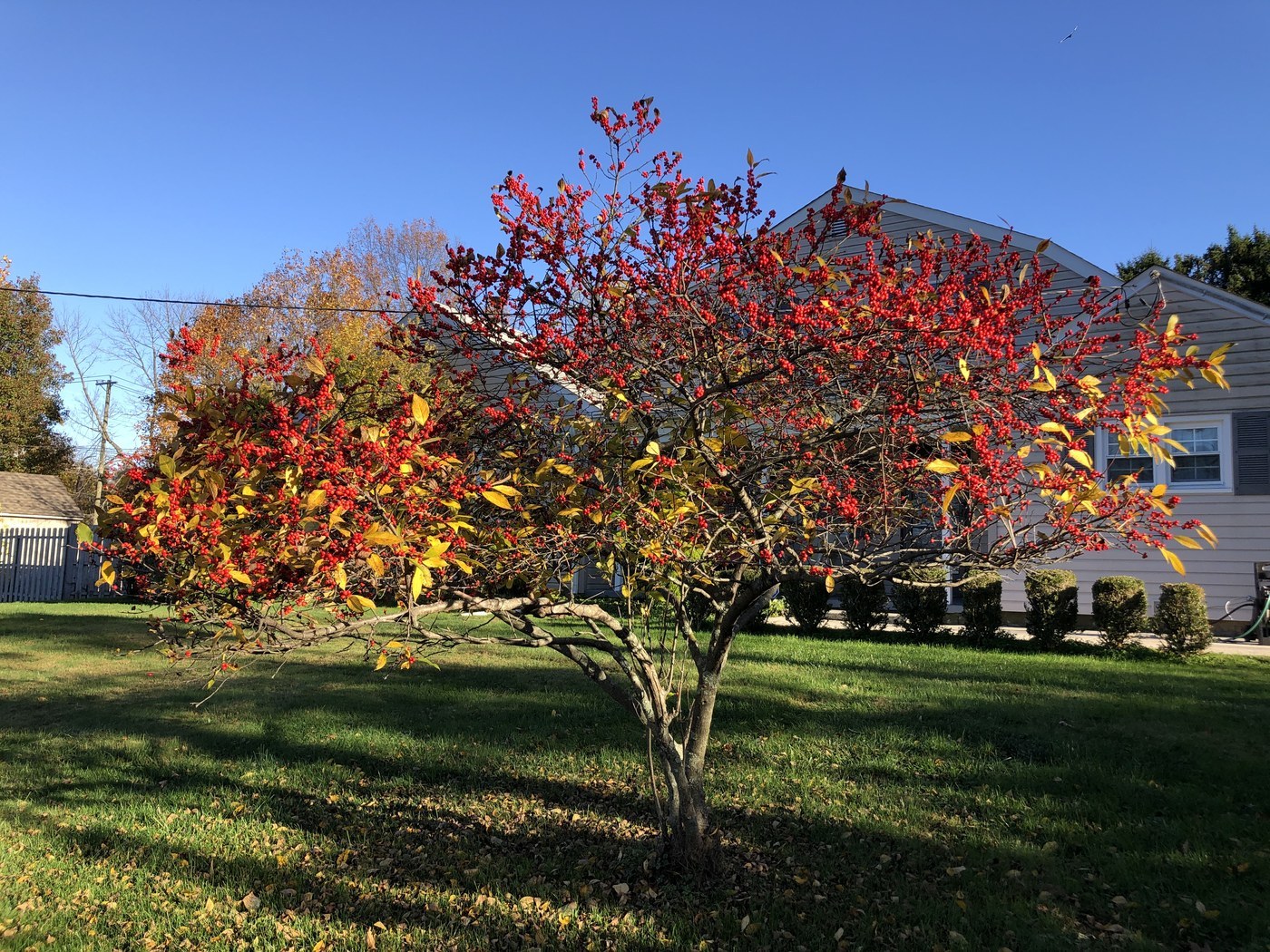
- Berries: bright red (sometimes yellow/orange) on female plants in fall and winter
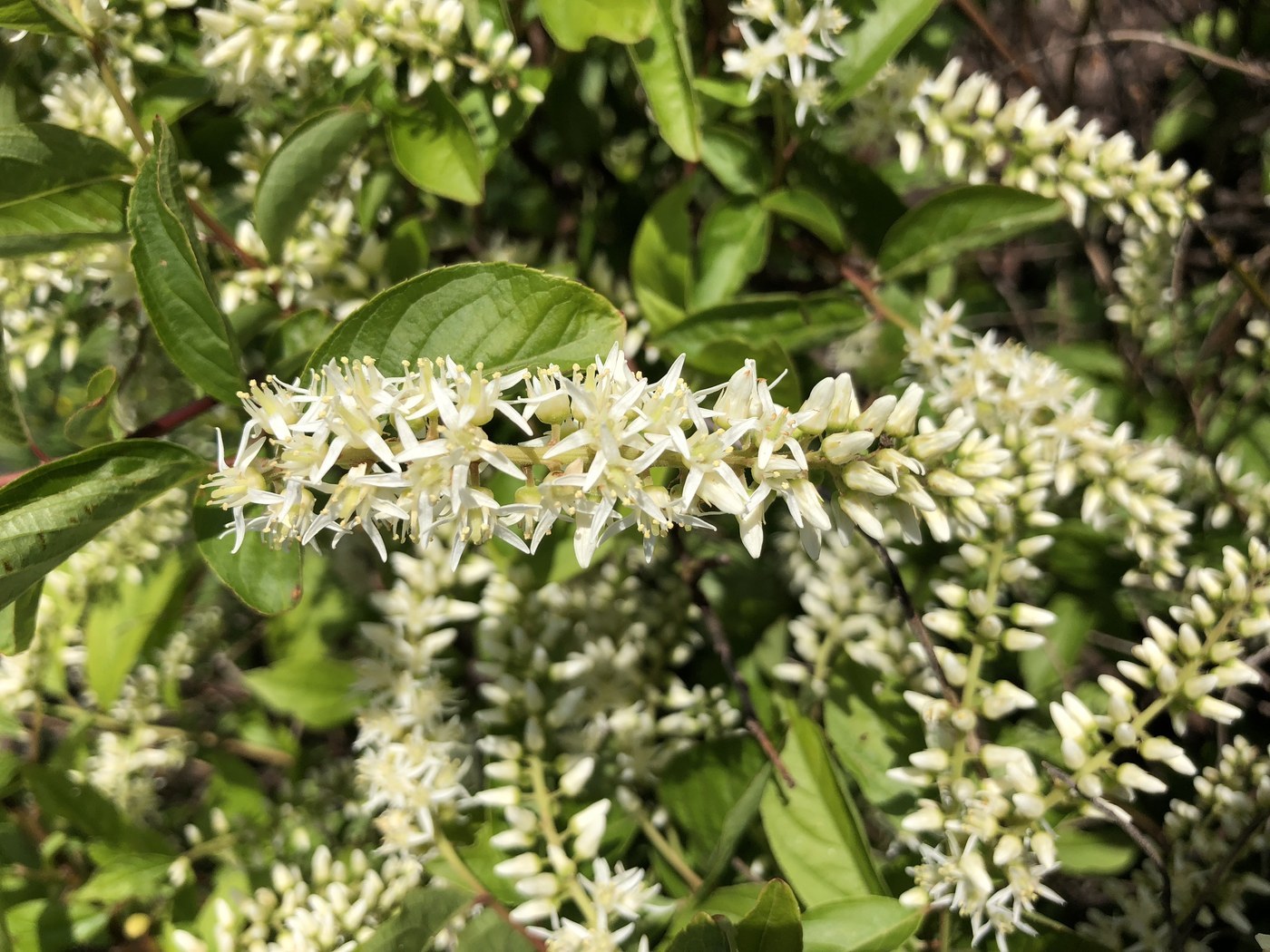
- Flowers: small, white, in spring; male and female usually on separate plants
- Habit: dense, pyramidal to rounded shrub or small tree
- Bark: smooth, gray
- Size: typically 10–30 ft (3–9 m), often kept smaller by pruning
Care & growing
Grow in full sun to part shade in moist, well-drained, slightly acidic soil.
- Water: keep evenly moist, especially when young; mulch to conserve moisture
- Soil: prefers fertile, humus-rich, well-drained soil
- Temperature: hardy roughly USDA zones 6–9 (varies by species)
- Pollination: plant a male holly near females to ensure berry set
- Pruning: tolerates shearing; prune in winter (and use cut sprigs for decoration)
- Feeding: a spring feed supports dense growth
- Propagation: from semi-ripe cuttings
Shelter from harsh, drying winter winds in colder areas.
Habitat & origin
English holly is native to western and southern Europe, North Africa and southwest Asia, growing in woodland and hedgerows. Other Ilex species occur across the Americas, Asia and beyond.
Holly is widely cultivated for hedging and ornament in temperate gardens. English holly has naturalized and become invasive in parts of the Pacific Northwest of North America.
Frequently asked questions
Why doesn't my holly have berries?
Most hollies need separate male and female plants. A female holly only produces berries if a compatible male holly grows nearby to pollinate it.
Can holly grow in shade?
Yes, holly tolerates part shade, though it grows denser and berries more heavily with more sun.
When should I prune holly?
Prune in winter, which conveniently lets you harvest berried sprigs for decoration. Holly tolerates shearing well for formal hedges.
Holly guides
In-depth guides for identifying, growing, and caring for Holly.
How to Care for Holly
Grow glossy evergreen English holly with our care guide covering light, watering, pruning, and berry production for a lush hedge or specimen.
Holly Identification Guide
Identify Holly (Ilex) by its glossy, often spiny-margined leaves, separate male and female plants, and bright red (or black) berries on the female shrubs.