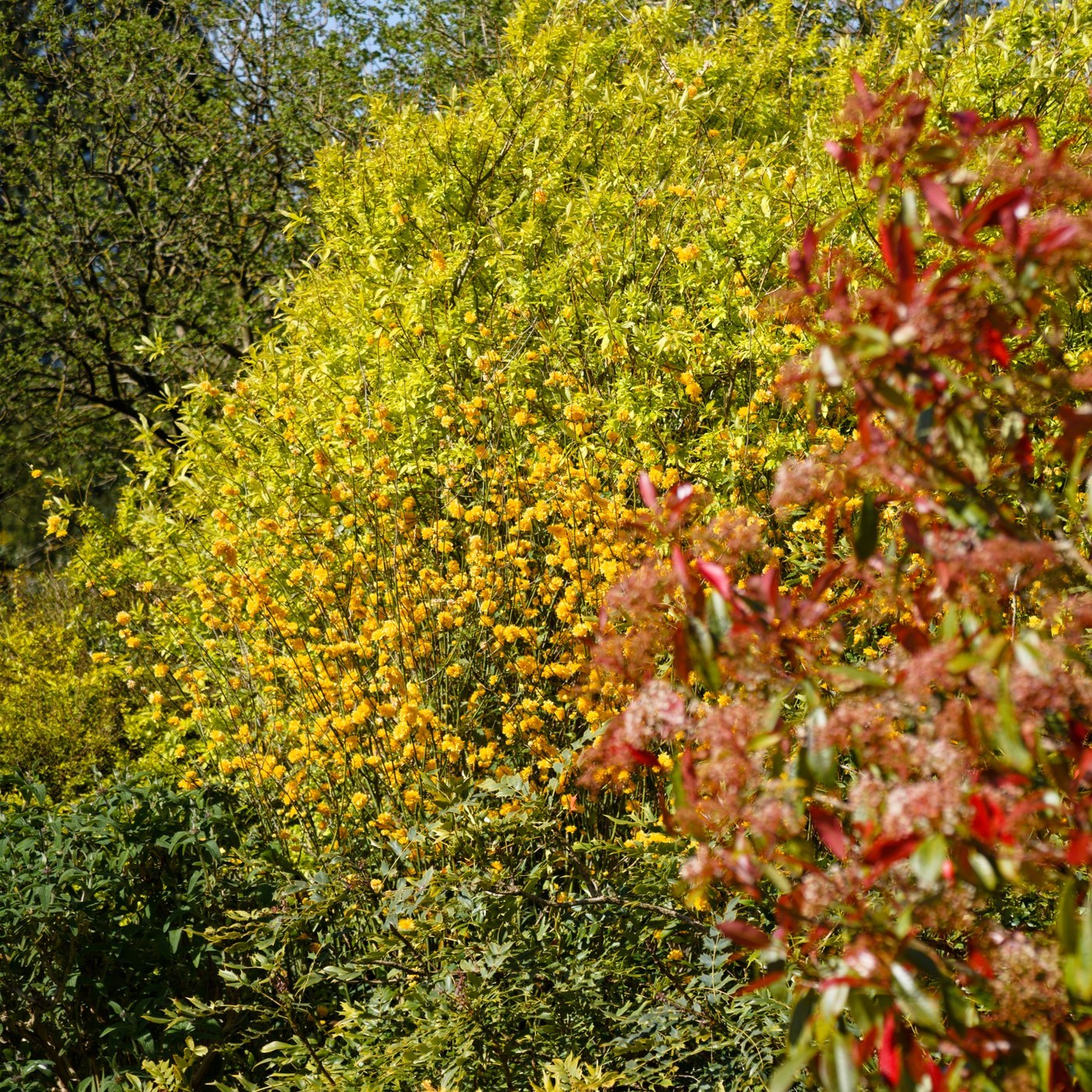
Kerria
Kerria japonica
Kerria is a graceful deciduous shrub in the rose family, grown for its arching green stems and cheerful golden-yellow spring flowers. It is one of the few flowering shrubs that blooms well in shade.
- Light
- Part shade to full shade
- Water
- Moderate; keep evenly moist
- Difficulty
- Easy
Got a plant like this?
Identify any plant from a photo, free.
Overview
Kerria (Kerria japonica) is the sole species in its genus, a deciduous shrub native to China and Japan and long cultivated in East Asian and Western gardens. It forms a thicket of slender, bright green, zigzagging stems that stay attractively colored even in winter after the leaves drop.
In mid to late spring it covers itself in golden-yellow flowers. The wild form has single, five-petaled blooms; the popular double cultivar 'Pleniflora' bears rounded pompom flowers and is the form most often seen in gardens.
Easy, adaptable and shade-tolerant, kerria spreads by suckers to form colonies and is valued where many flowering shrubs struggle.
How to identify it
An open, arching, suckering shrub usually 3-6 ft tall (taller for 'Pleniflora').
- Stems: distinctive bright kelly-green, slender, arching and zigzagging; remain green through winter
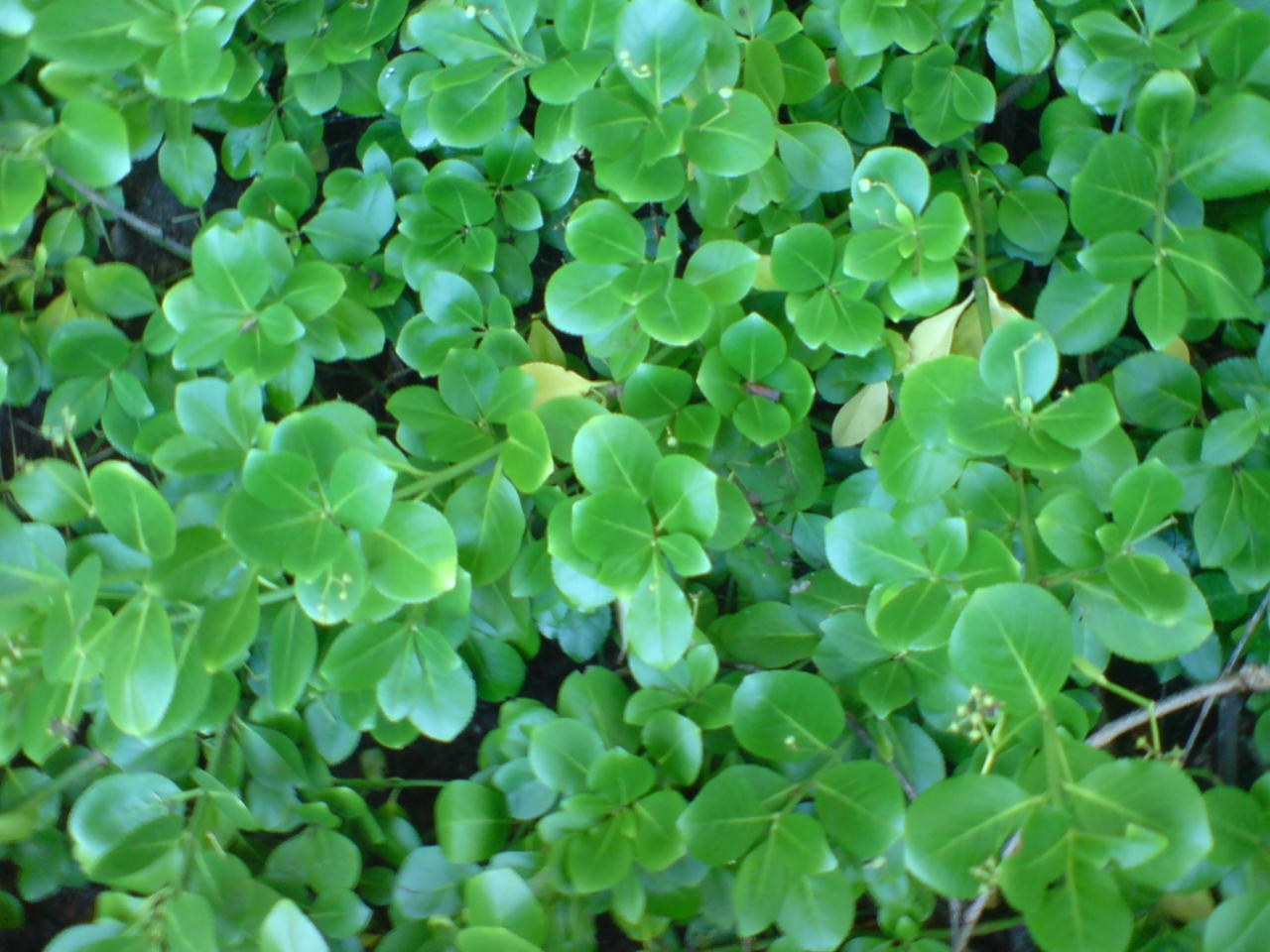
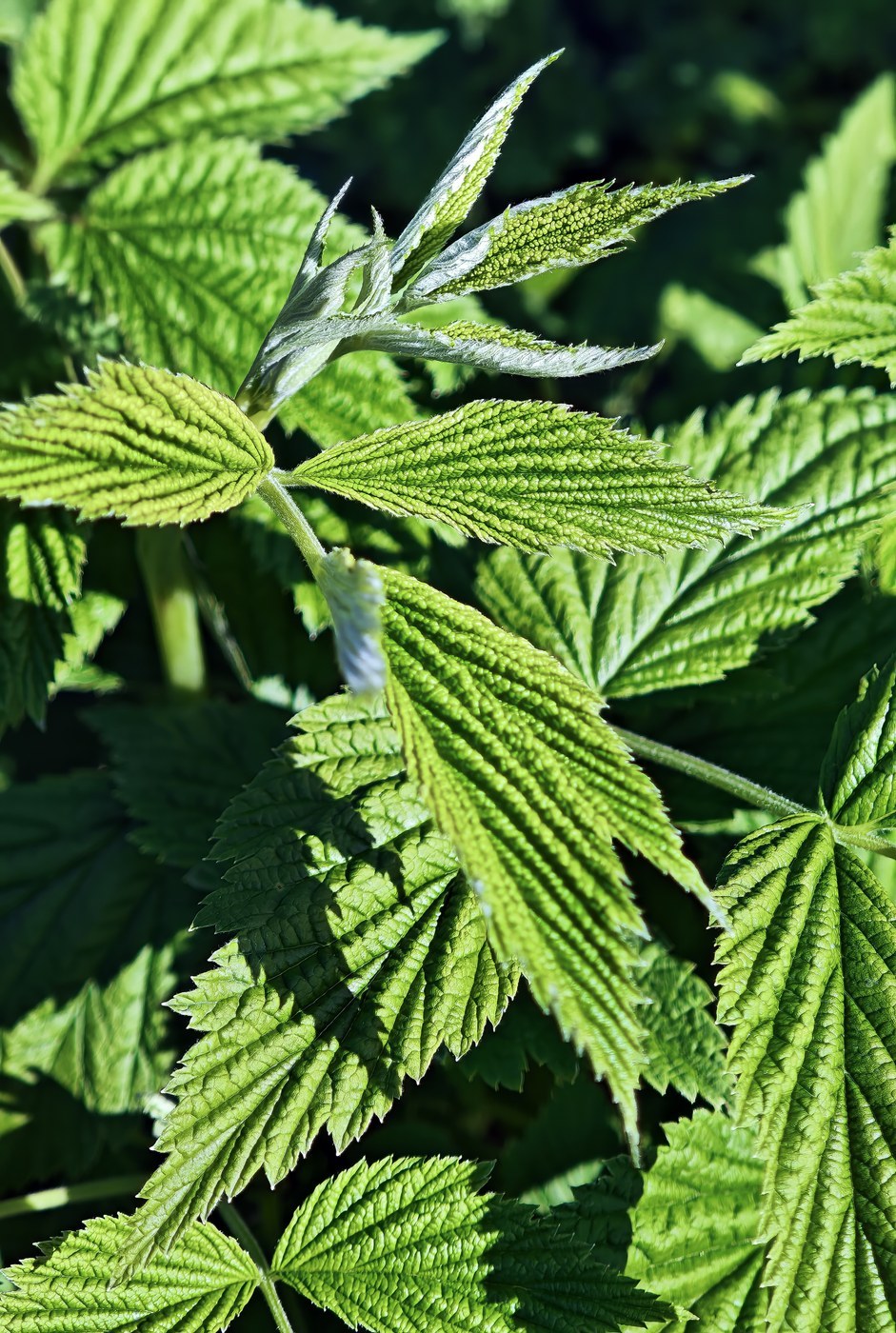
- Leaves: alternate, bright green, oval with a pointed tip, sharply double-toothed and prominently veined, 1.5-4 in long; yellow in fall
- Flowers: golden yellow, 1-2 in across; single five-petaled in the species, or fully double pompoms in 'Pleniflora'; main flush in spring with sporadic later bloom
- Habit: loose, twiggy, spreading into thickets
Care & growing
Undemanding and adaptable.
- Light: Part to full shade is ideal; flowers fade and scorch in hot full sun
- Water: Keep evenly moist, especially when young; established plants tolerate some dryness
- Soil: Average, well-drained soil; not fussy about pH and tolerates clay
- Temperature: Hardy in USDA zones 4-9
- Feeding: Minimal; too much fertilizer reduces flowering
- Pruning: Prune right after spring bloom, removing old or dead canes to the ground to renew the thicket
- Propagation: Very easy from division of suckers, or from softwood or hardwood cuttings
Habitat & origin
Native to the woodlands and mountain thickets of China and Japan. In cultivation it has been grown for centuries in Asia and since the 1800s in Europe and North America.
Today it is a common landscape shrub in temperate gardens worldwide, especially valued for shady borders, woodland edges, foundation plantings and informal hedges where it can sucker freely.
Frequently asked questions
Will kerria bloom in shade?
Yes, it is one of the few flowering shrubs that flowers reliably in part to full shade, which is one of its main attractions.
Is kerria invasive?
It is not classified as invasive, but it spreads by suckers and can form wider colonies over time. Remove suckers to keep it in bounds.
When and how should I prune it?
Prune immediately after the spring flowering, since it blooms on old wood. Cut out dead and the oldest canes at ground level to renew the plant.
Why are the stems green in winter?
Kerria's stems contain chlorophyll and stay bright green year-round, giving the bare shrub welcome color in the winter garden.
Kerria guides
In-depth guides for identifying, growing, and caring for Kerria.
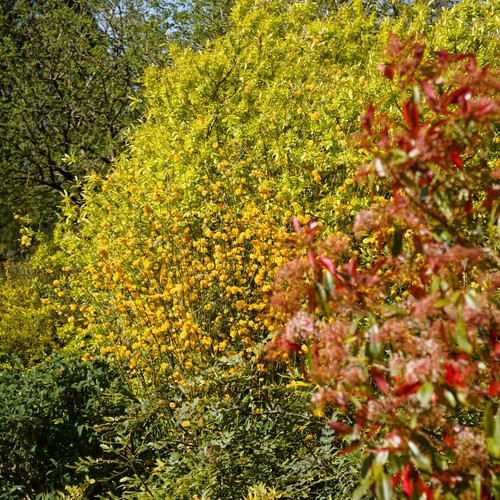
How to Care for Kerria
A cheerful shade shrub with arching green stems and golden spring flowers. Easy and adaptable in part to full shade with evenly moist soil.
Kerria Identification Guide
How to identify Japanese kerria (Kerria japonica), a graceful spring shrub with arching green stems and golden-yellow flowers.