Lingonberry
Vaccinium vitis-idaea
A low, evergreen groundcover shrub bearing small red berries. It is hardy, ornamental and forms a dense, glossy mat.
- Light
- Full sun to partial shade
- Water
- Moderate; moist, well-drained acidic soil
- Difficulty
- Moderate
Got a plant like this?
Identify any plant from a photo, free.
Overview
The lingonberry is a creeping evergreen shrub in the genus Vaccinium, related to blueberries and cranberries. It produces small, bright-red berries.
Plants spread by underground rhizomes to form a low, dense carpet of glossy evergreen leaves, rarely exceeding 30 cm tall. They often crop twice a year in favorable conditions.
Lingonberries are both a productive fruiting plant and an attractive, hardy ornamental groundcover for acidic soils.
How to identify it
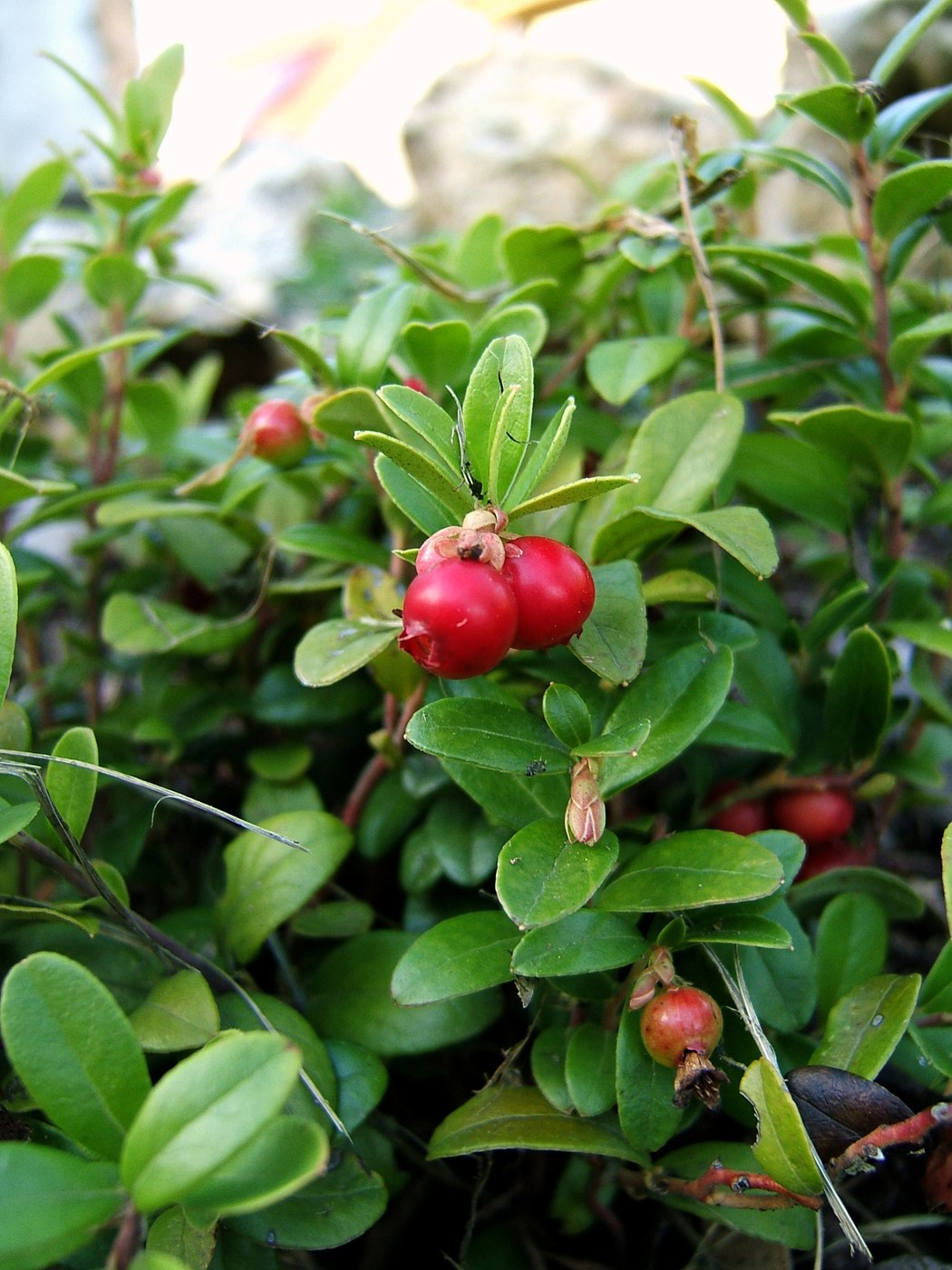
A neat, low evergreen mat with tiny shiny leaves and clusters of red berries.
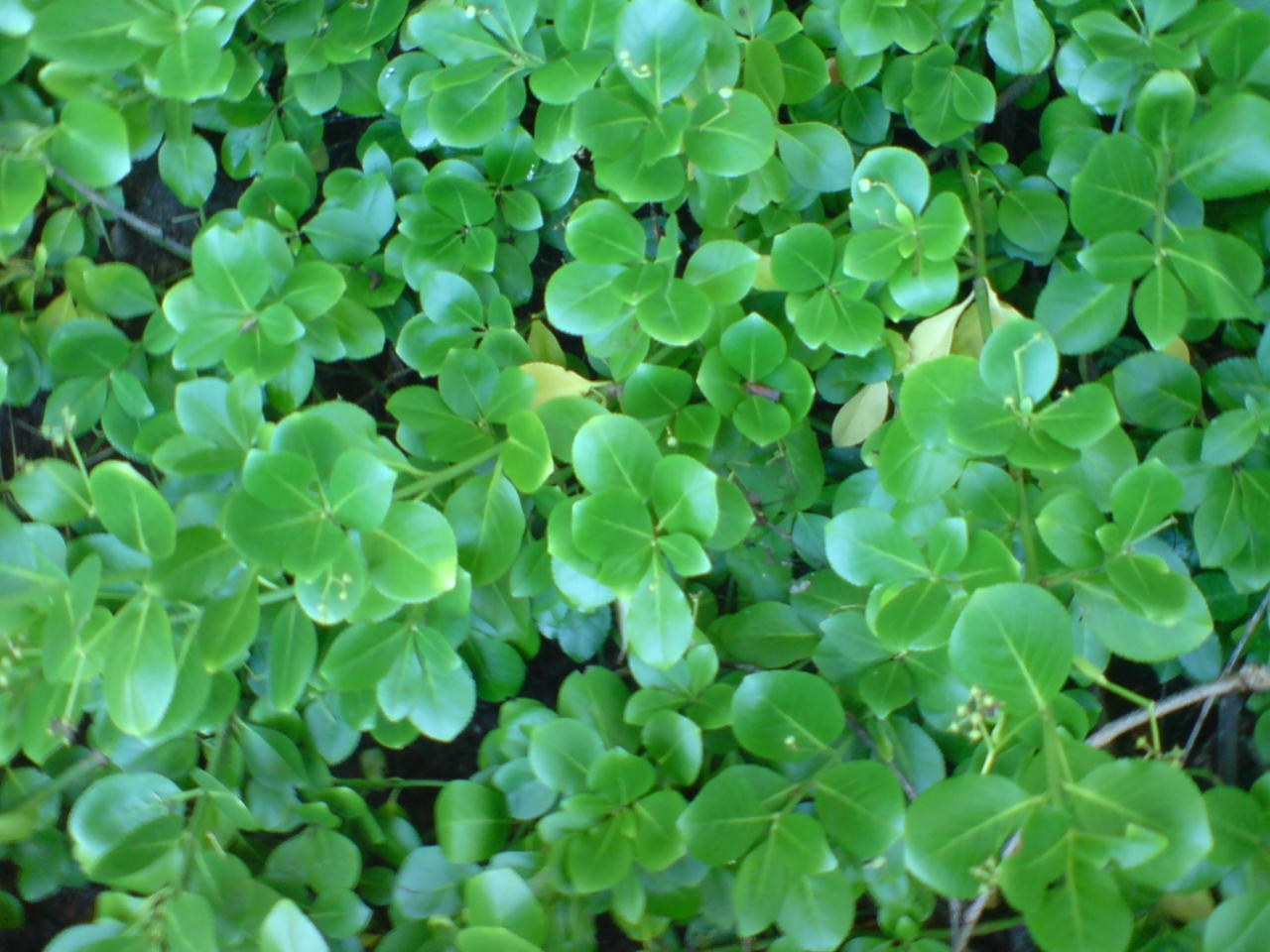
- Leaves: Small, oval, leathery, glossy dark-green above, evergreen
- Stems: Low, creeping and rhizomatous, forming dense mats
- Flowers: Tiny, bell-shaped, white to pale pink, in short clusters
- Fruit: Round, firm berries 6-10 mm, bright red, in tight clusters
- Size: Usually 10-30 cm tall, spreading wider over time
Care & growing
Easy once given acidic, cool conditions.
- Light: Full sun for heaviest fruiting, tolerates partial shade
- Water: Keep soil evenly moist; dislikes drought and waterlogging alike
- Soil: Acidic (pH 4.0-5.5), humus-rich, well-drained; intolerant of lime
- Temperature: Extremely cold-hardy, surviving well below -30C
- Feeding: Minimal; use ericaceous (acid) fertilizer sparingly
- Propagation: Spreads readily by rhizomes; divide established mats or take cuttings
Habitat & origin
Vaccinium vitis-idaea has a circumpolar distribution across the boreal and Arctic Northern Hemisphere, including Scandinavia, northern Asia, Canada and the northern US.
It grows wild in cool coniferous forests, heaths, bogs and tundra. Cultivated widely in the Nordic countries, it is well suited to cold-climate gardens and as an acid-soil groundcover.
Frequently asked questions
Are lingonberries the same as cranberries?
They are close relatives in the same genus and both have red fruit, but lingonberries are smaller and grow on low evergreen shrubs.
Why do lingonberries fruit twice?
In favorable climates they often produce two crops a year, a lighter one in summer and a heavier one in autumn.
What soil do lingonberries need?
Acidic, humus-rich, well-drained soil similar to blueberries; they will not thrive in limey or alkaline ground.
How do I recognize a lingonberry plant?
Look for a low evergreen mat of small, oval, leathery glossy leaves, tiny bell-shaped white to pink flowers, and tight clusters of round, firm, bright-red berries.
Lingonberry guides
In-depth guides for identifying, growing, and caring for Lingonberry.
How to Care for Lingonberry
Grow a compact evergreen lingonberry (Vaccinium vitis-idaea) with acidic soil, even moisture, and simple seasonal care.
Lingonberry Identification Guide
Identify lingonberry (Vaccinium vitis-idaea) by its low evergreen mats, small glossy leaves with dark dots underneath, and tart bright-red berries.
Lingonberry identified by the community
Real specimens identified with Plant Identifier.