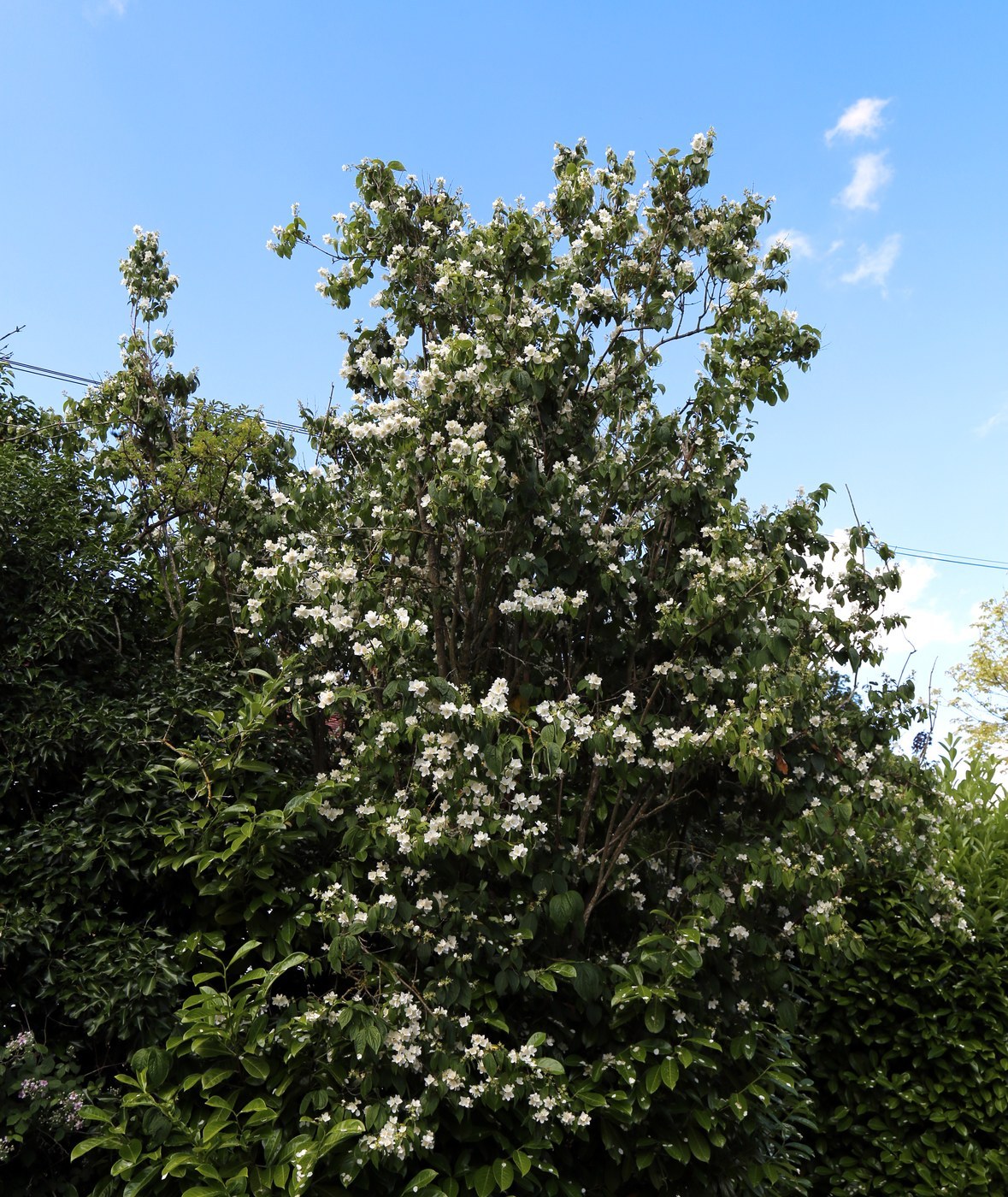
Mock Orange
Philadelphus coronarius
A deciduous shrub grown for its profuse, intensely fragrant white late-spring flowers that smell like orange blossom. Easy and hardy, it is a nostalgic favorite of cottage gardens.
- Light
- Full sun to part shade
- Water
- Medium; keep evenly moist
- Difficulty
- Easy
Got a plant like this?
Identify any plant from a photo, free.
Overview
Mock orange is a deciduous shrub in the genus Philadelphus, named for blossoms whose rich, sweet scent recalls orange blossoms, though it is unrelated to citrus. Philadelphus coronarius is the classic species, but many hybrids and cultivars exist.
For a few weeks in late spring to early summer, the arching branches are smothered in single or double white four-petaled flowers, perfuming the whole garden. Outside of bloom it is a plain green shrub, so it is often tucked among other plants for its fragrant show.
Undemanding, cold-hardy, and long-lived, mock orange is a dependable cottage-garden shrub that thrives with minimal care.
How to identify it
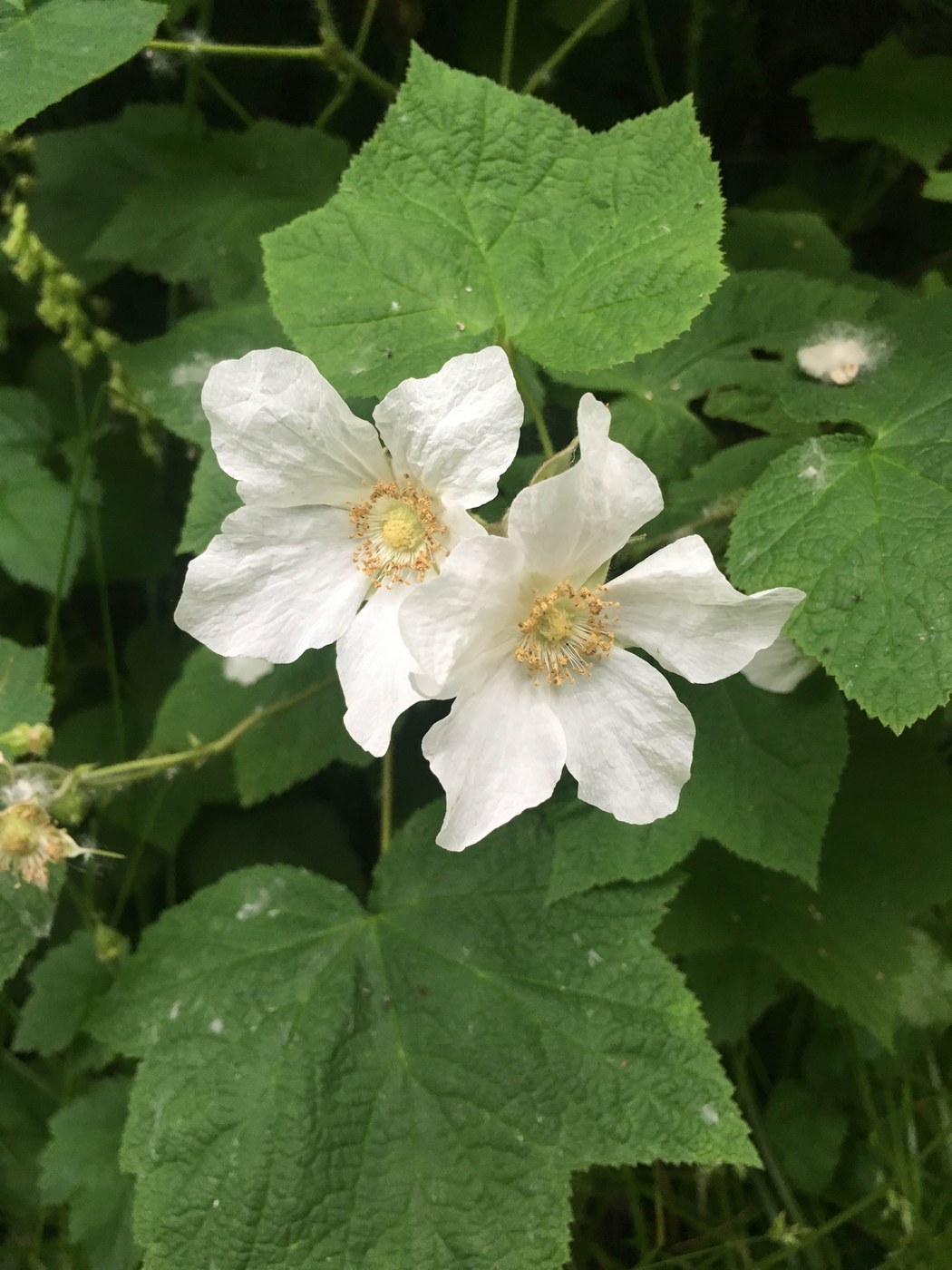
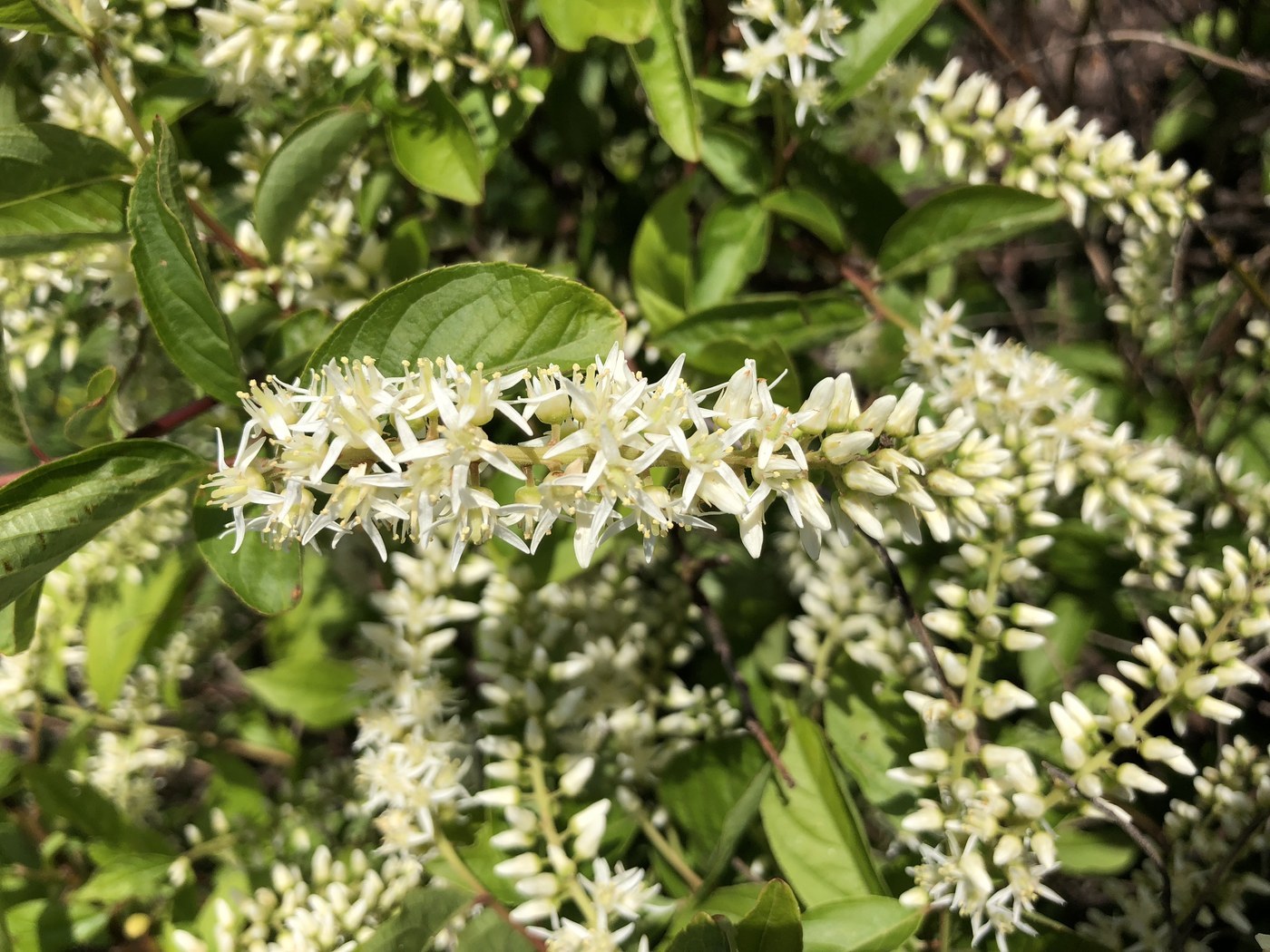
- Flowers: Cup-shaped, four-petaled, pure white blooms (single or double), 1-2 in across, in clusters; powerfully fragrant; appear late spring to early summer
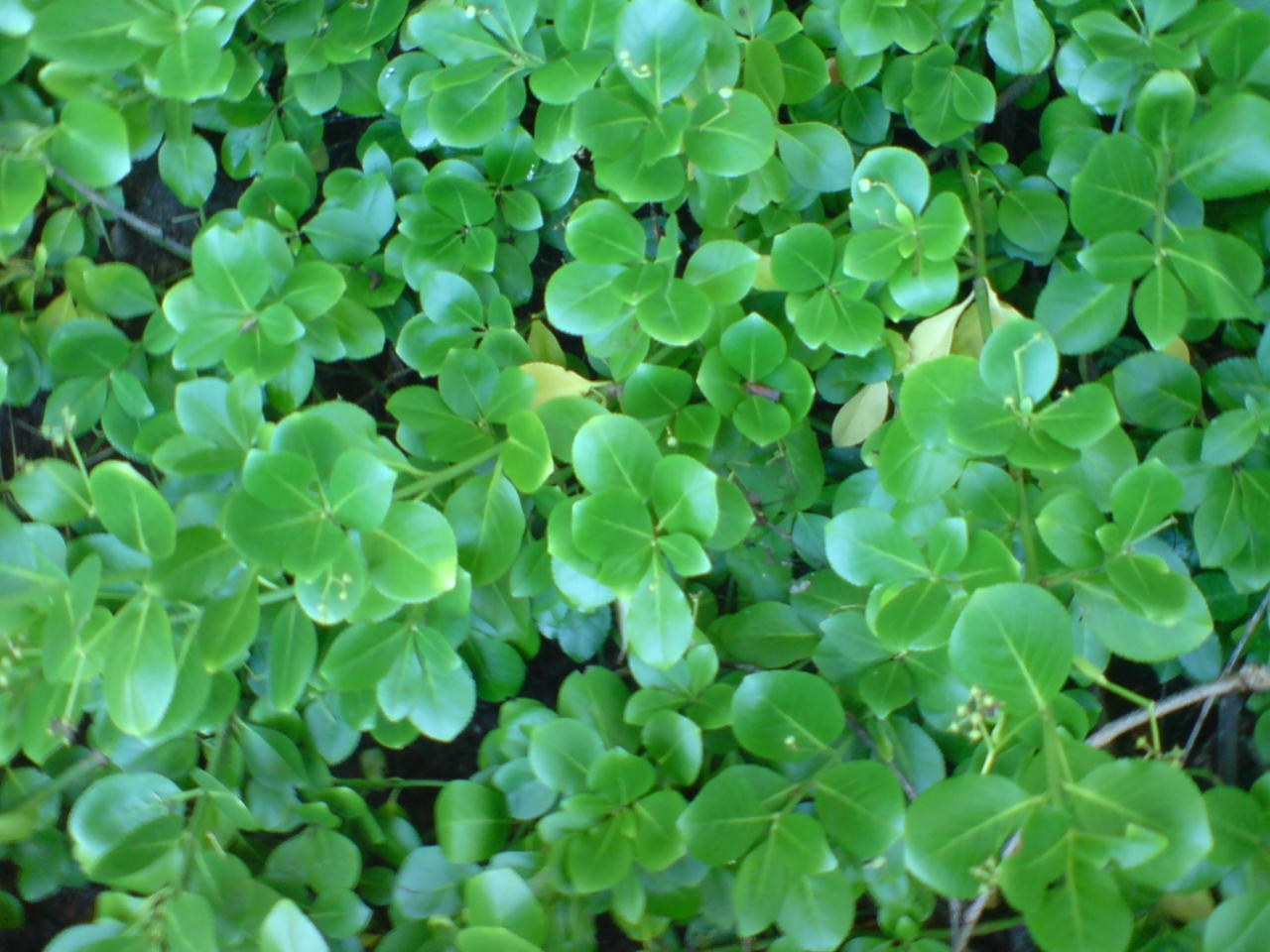
- Leaves: Opposite, oval, toothed, mid-green, 1.5-3 in, with little fall color
- Habit: Upright, arching, multi-stemmed shrub typically 4-10 ft tall and wide, depending on cultivar
- Bark: Older stems have peeling gray-brown bark
- Scent: Sweet, orange-blossom-like fragrance is the key identifier
Care & growing
Light: Full sun for the most flowers; tolerates light shade with reduced bloom.
Water: Average, even moisture; water during dry spells, especially when young.
Soil: Adaptable; prefers fertile, well-drained soil but tolerates a range.
Temperature: Hardy roughly USDA zones 4-8.
Feeding: A spring application of compost or balanced fertilizer supports flowering.
Pruning: Prune right after flowering, since it blooms on old wood. Remove a few of the oldest stems each year to renew vigor and flowering.
Propagation: Easy from softwood or hardwood cuttings.
Habitat & origin
Philadelphus coronarius is native to southern Europe and Asia Minor, while other species are native to North America and East Asia. In the wild they grow on rocky slopes, woodland edges, and thickets.
Mock orange has been cultivated for centuries and is a staple of temperate cottage and shrub gardens worldwide, valued for its fragrance.
Frequently asked questions
Why won't my mock orange bloom?
The most common reasons are too much shade, over-fertilizing with nitrogen, or pruning at the wrong time. Mock orange flowers on old wood, so prune only right after blooming.
Does mock orange smell like real oranges?
Its flowers have a sweet scent reminiscent of orange blossom, which gives the plant its name, but it is not related to citrus.
How and when should I prune it?
Prune immediately after the flowers fade. Remove some of the oldest stems at the base each year to keep the shrub vigorous and free-flowering.
Is mock orange evergreen?
No, it is a deciduous shrub that drops its leaves in winter and offers little interest outside its spring bloom.
Mock Orange guides
In-depth guides for identifying, growing, and caring for Mock Orange.
How to Care for Mock Orange
Grow Mock Orange (Philadelphus coronarius), a hardy deciduous shrub famous for its fragrant white late-spring blooms.
Mock Orange Identification Guide
How to identify mock orange by its opposite leaves and intensely citrus-fragrant four-petaled white flowers in early summer.