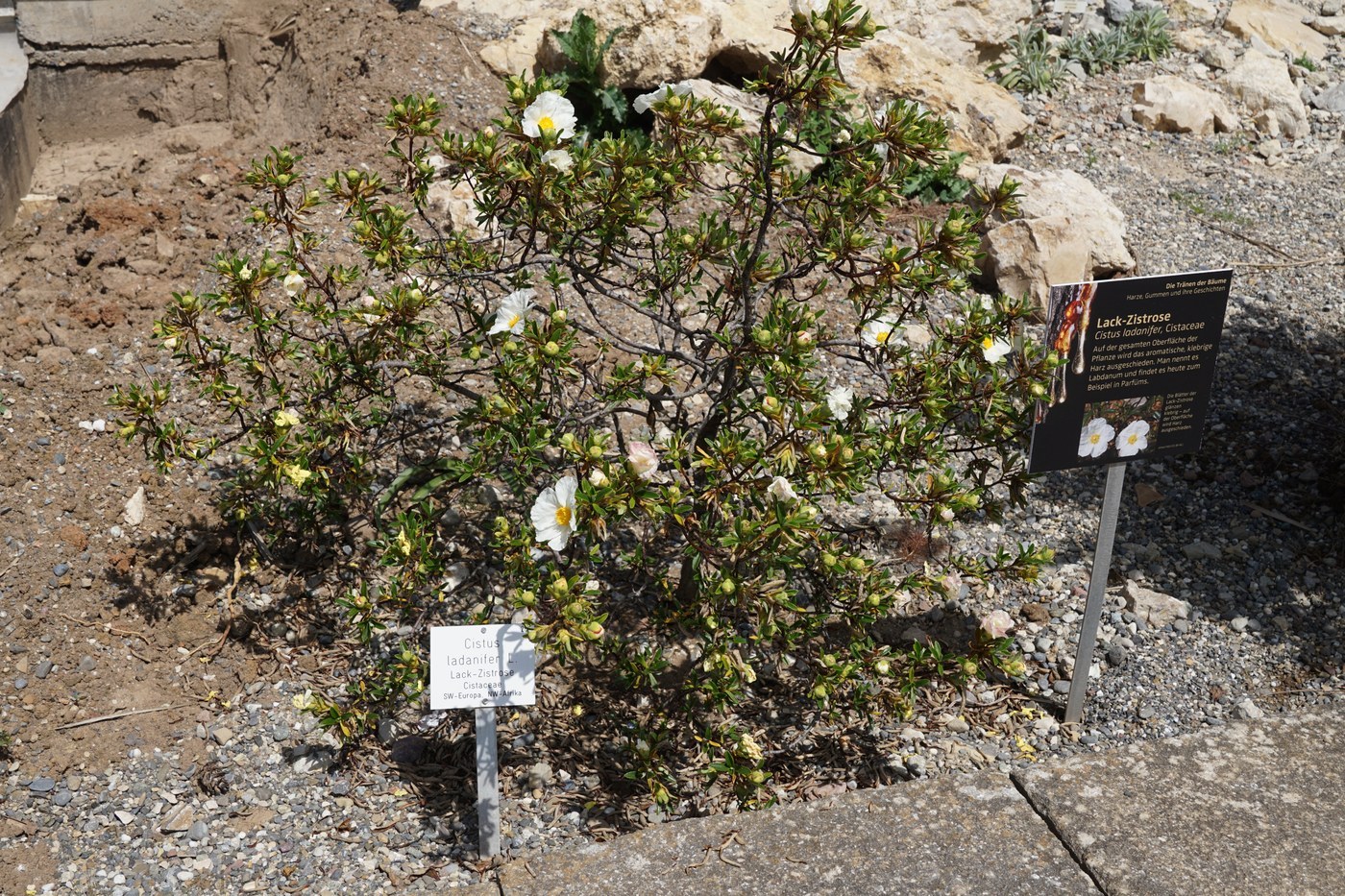
Rockrose
Cistus ladanifer
Rockrose is a tough Mediterranean evergreen shrub prized for its papery, crepe-like flowers and resinous, aromatic foliage. It thrives on neglect in hot, dry, poor soils.
- Light
- Full sun
- Water
- Drought tolerant once established
- Difficulty
- Easy
Got a plant like this?
Identify any plant from a photo, free.
Overview
Rockrose (Cistus) is a genus of evergreen shrubs native to the Mediterranean basin and known for short-lived but profuse flowers that resemble crumpled tissue paper. Each bloom lasts only a day, but a healthy plant produces waves of them through late spring and early summer.
The leaves of many species, especially Cistus ladanifer, are coated in a sticky aromatic resin called labdanum, long harvested for perfumery. This resin gives the plant its characteristic warm, balsamic scent on hot days.
Valued in xeriscaping and coastal gardens, rockrose tolerates heat, salt spray, wind and lean soil, making it a low-maintenance choice for difficult sunny sites.
How to identify it
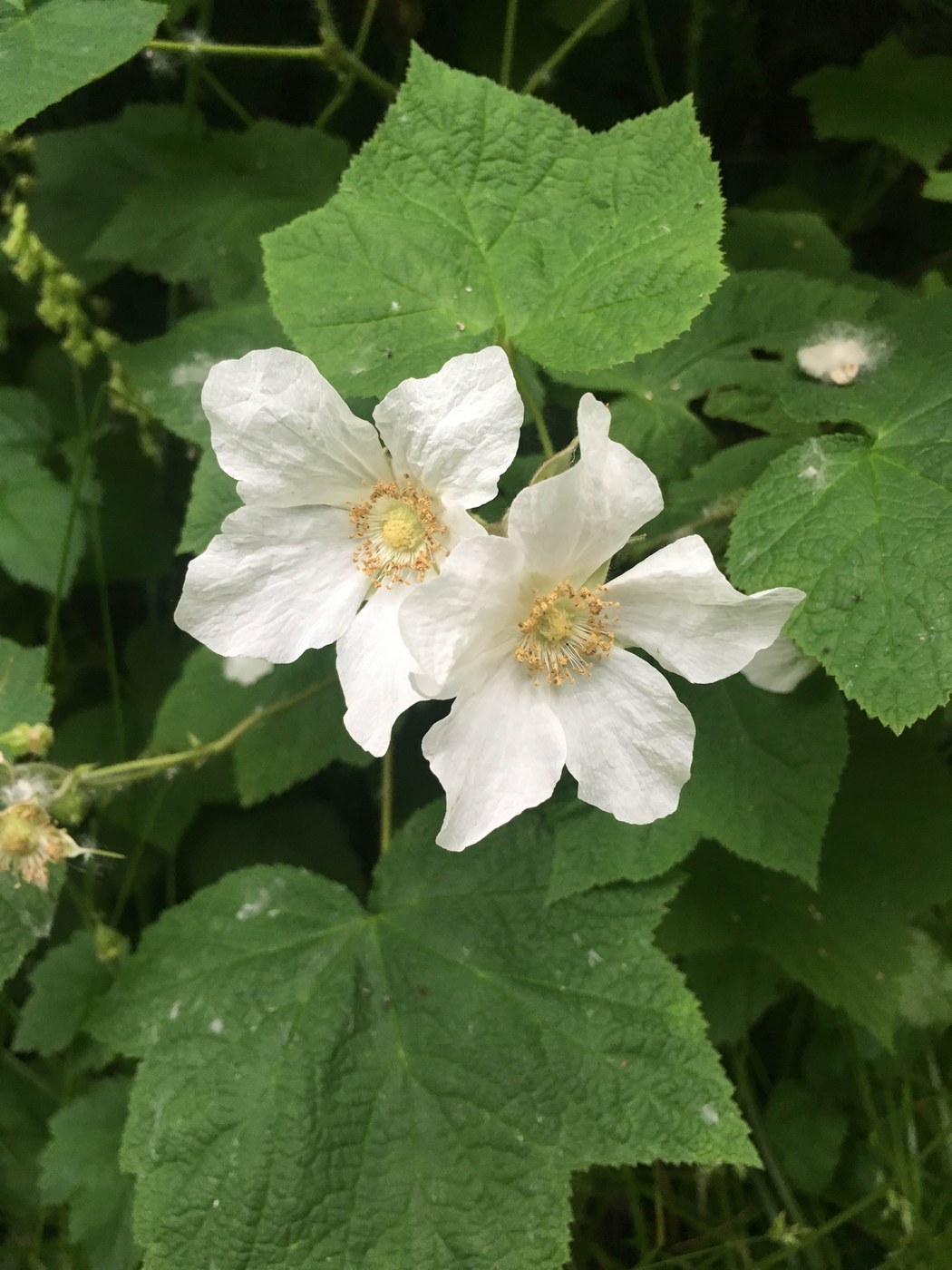
- Flowers: 5 papery petals, white, pink or magenta, often with a dark maroon basal blotch; resemble crepe paper and drop the same day
- Leaves: narrow, opposite, often sticky and resinous, gray-green to dark green, aromatic when crushed
- Habit: rounded, bushy evergreen shrub typically 2 to 6 ft tall and wide depending on species
- Stems: woody, branching low; older plants can grow leggy
- Scent: foliage releases a warm balsamic fragrance, strongest in heat
Care & growing
Rockrose demands full sun and sharply drained soil; it resents wet feet and rich conditions.
- Water: drought tolerant once established; water sparingly the first season, then rely on rainfall
- Soil: poor, gritty, alkaline to neutral; avoid heavy clay
- Temperature: hardy to roughly USDA zones 8 to 10; tolerates heat and coastal salt
- Feeding: none needed; fertilizer encourages weak, leggy growth
- Pruning: pinch young plants to shape, but never cut into old bare wood, which rarely resprouts
- Propagation: semi-hardwood cuttings in summer; seed germinates well after a smoke or heat treatment
Habitat & origin
Native to the rocky hillsides, garrigue and maquis scrublands of the Mediterranean region, including Portugal, Spain, southern France and North Africa.
It naturally colonizes dry, sunny, fire-prone slopes with thin soils. In cultivation it is popular across Mediterranean-climate gardens, California, and coastal regions worldwide for water-wise landscaping.
Frequently asked questions
Why do the flowers fall off so quickly?
That is normal. Each rockrose flower lasts only a single day, but a healthy plant opens many new blooms each morning over several weeks.
Is rockrose hard to grow?
No. It is one of the easiest shrubs for hot, dry, sunny sites. The main mistakes are overwatering and planting in rich or poorly drained soil.
Can I prune it back hard?
Avoid cutting into old, leafless wood, which usually will not resprout. Shape young plants by pinching instead.
How big does rockrose get?
Most form rounded, bushy evergreen shrubs roughly 2 to 6 ft tall and wide, depending on the species.
Rockrose guides
In-depth guides for identifying, growing, and caring for Rockrose.
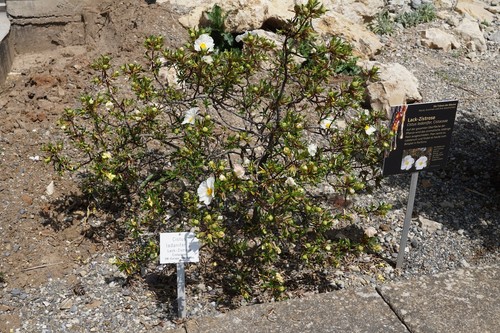
How to Care for Rockrose
Rockrose (Cistus ladanifer) is a sun-loving, drought-tolerant Mediterranean shrub with papery white blooms and aromatic evergreen foliage.
Rockrose Identification Guide
How to recognize rockrose (Cistus) by its crinkled tissue-paper flowers, resinous aromatic foliage, and low Mediterranean shrub habit.