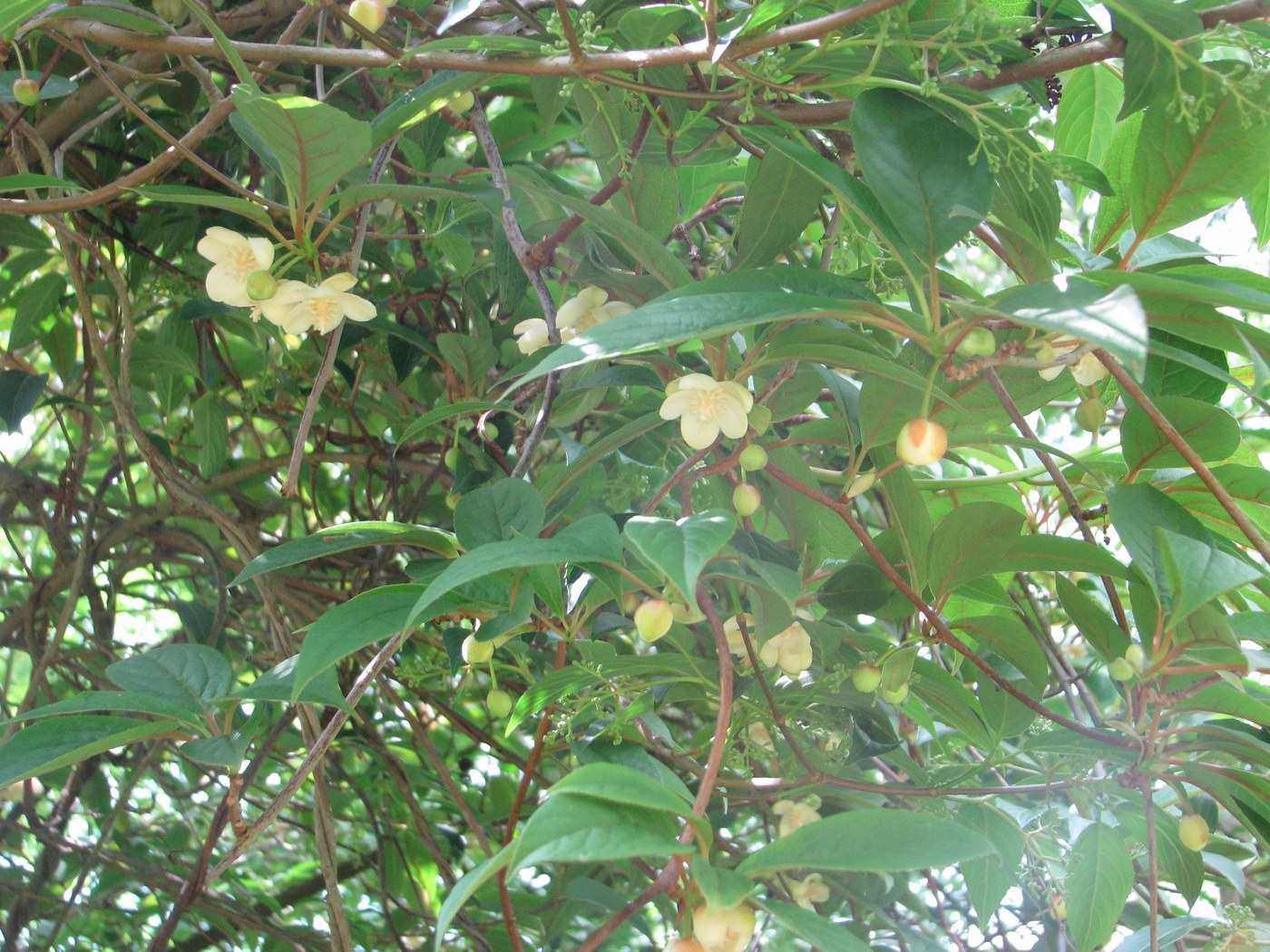
Schisandra
Schisandra chinensis
Schisandra is a hardy deciduous climbing vine bearing dangling clusters of crimson berries. With fragrant spring flowers and bright autumn fruit, it is an attractive ornamental climber for cool gardens.
- Light
- Part shade to dappled sun
- Water
- Regular; keep evenly moist
- Difficulty
- Moderate
Got a plant like this?
Identify any plant from a photo, free.
Overview
Schisandra (Schisandra chinensis) is a deciduous woody climbing vine in the family Schisandraceae, native to forests of northeast China, Korea, Japan and the Russian Far East.
It produces small fragrant spring flowers followed by drooping clusters of small, round, bright red berries that ripen in late summer to autumn.
Schisandra is a vigorous, hardy ornamental vine, valued for its glossy foliage, spring flowers and jewel-like dangling fruit on a strong twining habit.
How to identify it
- Fruit: drooping clusters (spikes) of small, round, bright red berries ripening in late summer to autumn
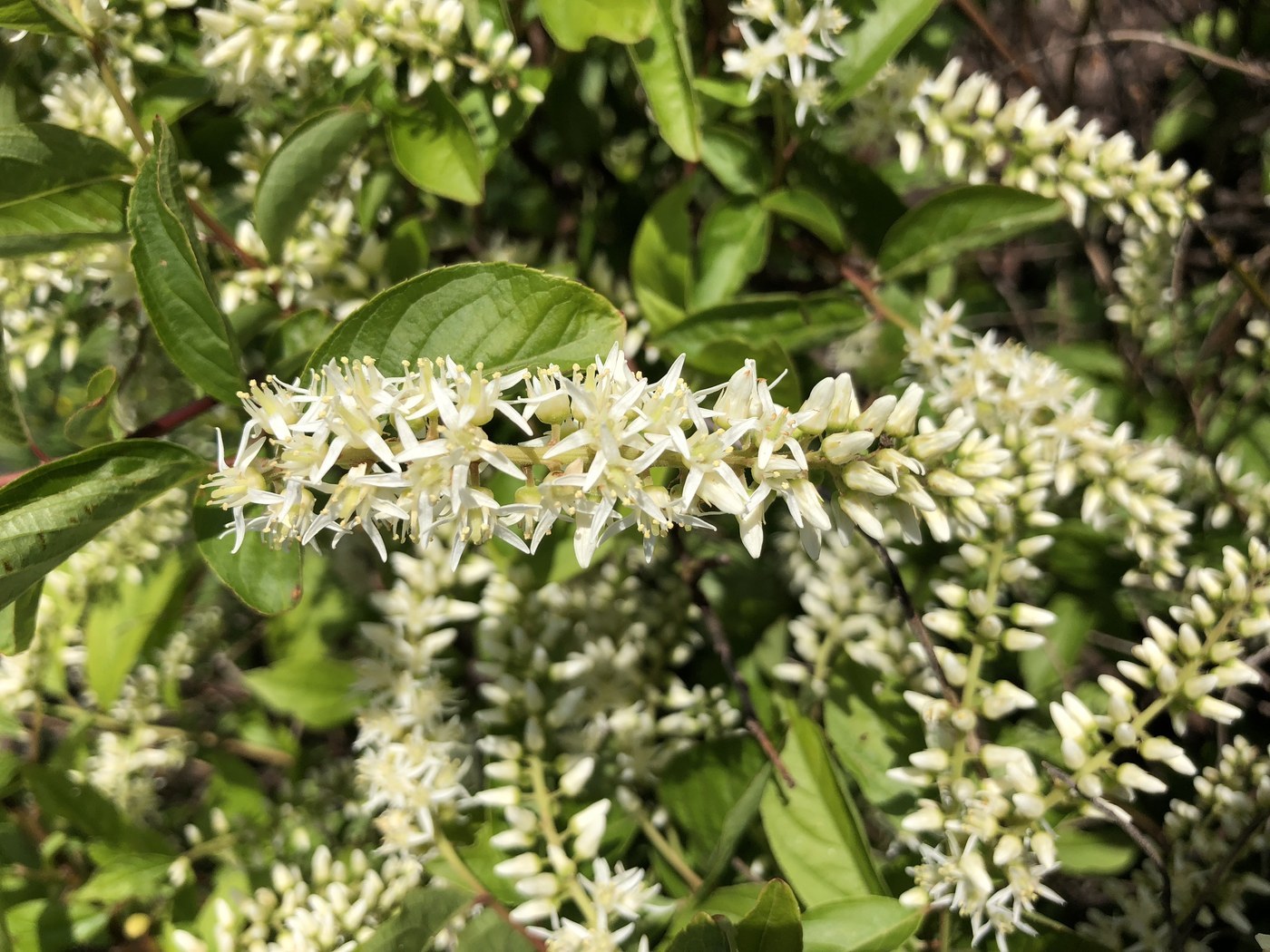
- Flowers: small, fragrant, creamy-white to pale pink, in spring; plants are usually dioecious, so male and female vines are needed for fruit
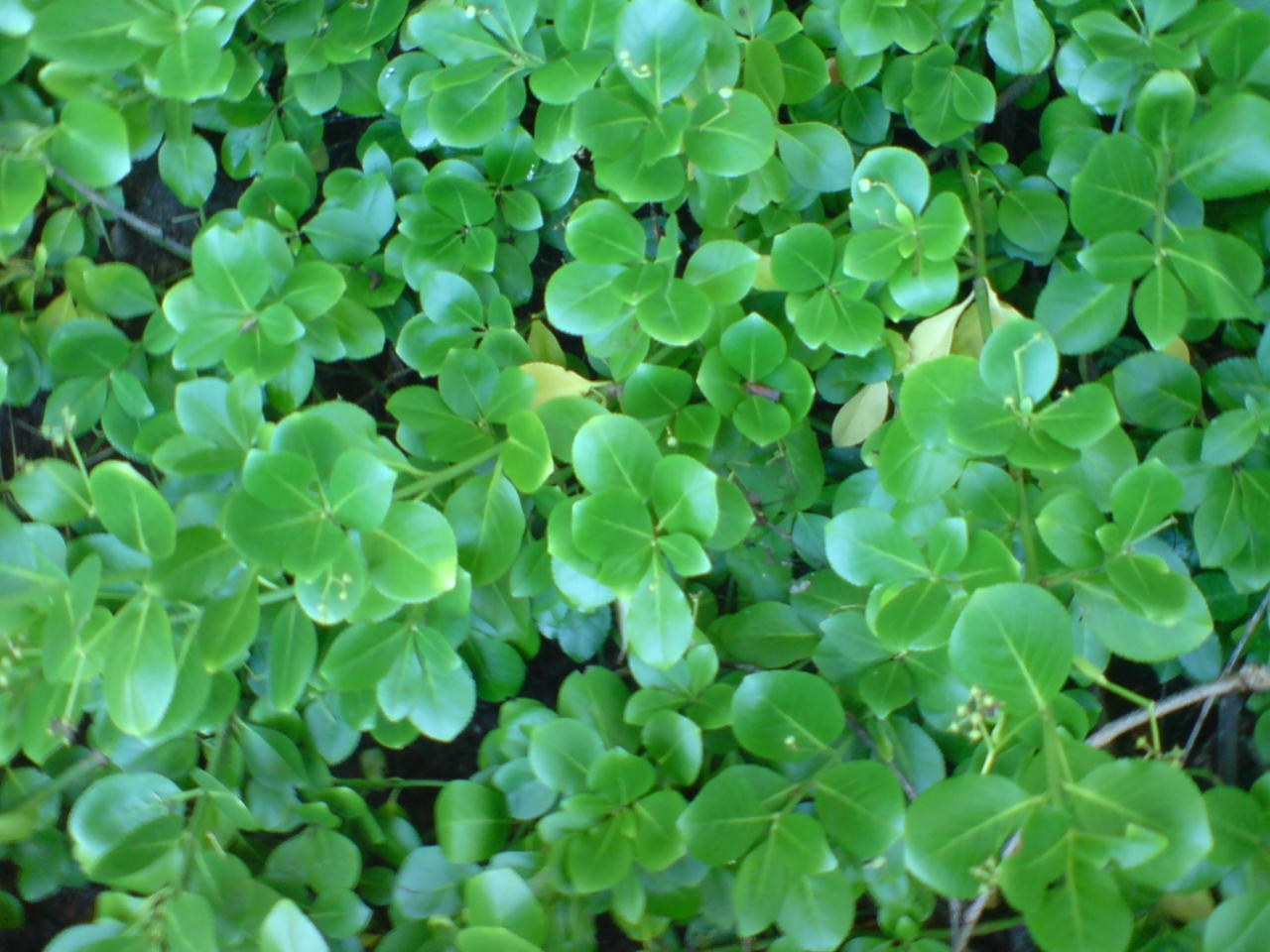
- Leaves: alternate, elliptic, glossy, finely toothed, turning yellow in autumn
- Habit: twining deciduous vine climbing 6-9 m on supports
Care & growing
Light: Partial shade to dappled sun, mimicking its woodland edge habitat; protect from harsh afternoon sun.
Water: Keep soil consistently moist; it dislikes drying out.
Soil: Rich, humusy, well-drained, slightly acidic soil.
Temperature: Very cold-hardy, through about USDA zones 4-7.
Feeding: Mulch with compost and feed lightly in spring.
Propagation: From seed (needs stratification), softwood cuttings or layering. Grow male and female plants together and provide a sturdy trellis or fence to climb.
Habitat & origin
Schisandra chinensis is native to the temperate forests of northeastern Asia — northeast China, Korea, Japan and southeastern Russia — where it climbs through woodland edges and over shrubs in moist, fertile ground.
It is cultivated as a hardy ornamental fruiting vine in cool temperate gardens.
Frequently asked questions
Do I need more than one plant to get berries?
Usually yes. Schisandra is typically dioecious, so you need both a male and a female vine for the female to set fruit, unless you have a self-fertile selection.
Where should I plant schisandra?
Give it a sturdy support in partial shade with moist, rich, well-drained soil, echoing its native woodland-edge habitat.
How can I identify schisandra?
Look for a twining deciduous vine with glossy, finely toothed leaves, fragrant creamy spring flowers, and drooping clusters of small round red berries in late summer.
How big does the vine grow?
It is a vigorous twining climber that can reach 6 to 9 m on a trellis, fence, or other sturdy support.
Schisandra guides
In-depth guides for identifying, growing, and caring for Schisandra.
How to Care for Schisandra
Grow Schisandra chinensis, a hardy twining vine, in dappled shade with rich, moist, well-drained soil and sturdy support.
Schisandra Identification Guide
Identify schisandra (Schisandra chinensis) by its twining woody vine, oval glossy leaves, fragrant cream flowers, and hanging spikes of red berries.