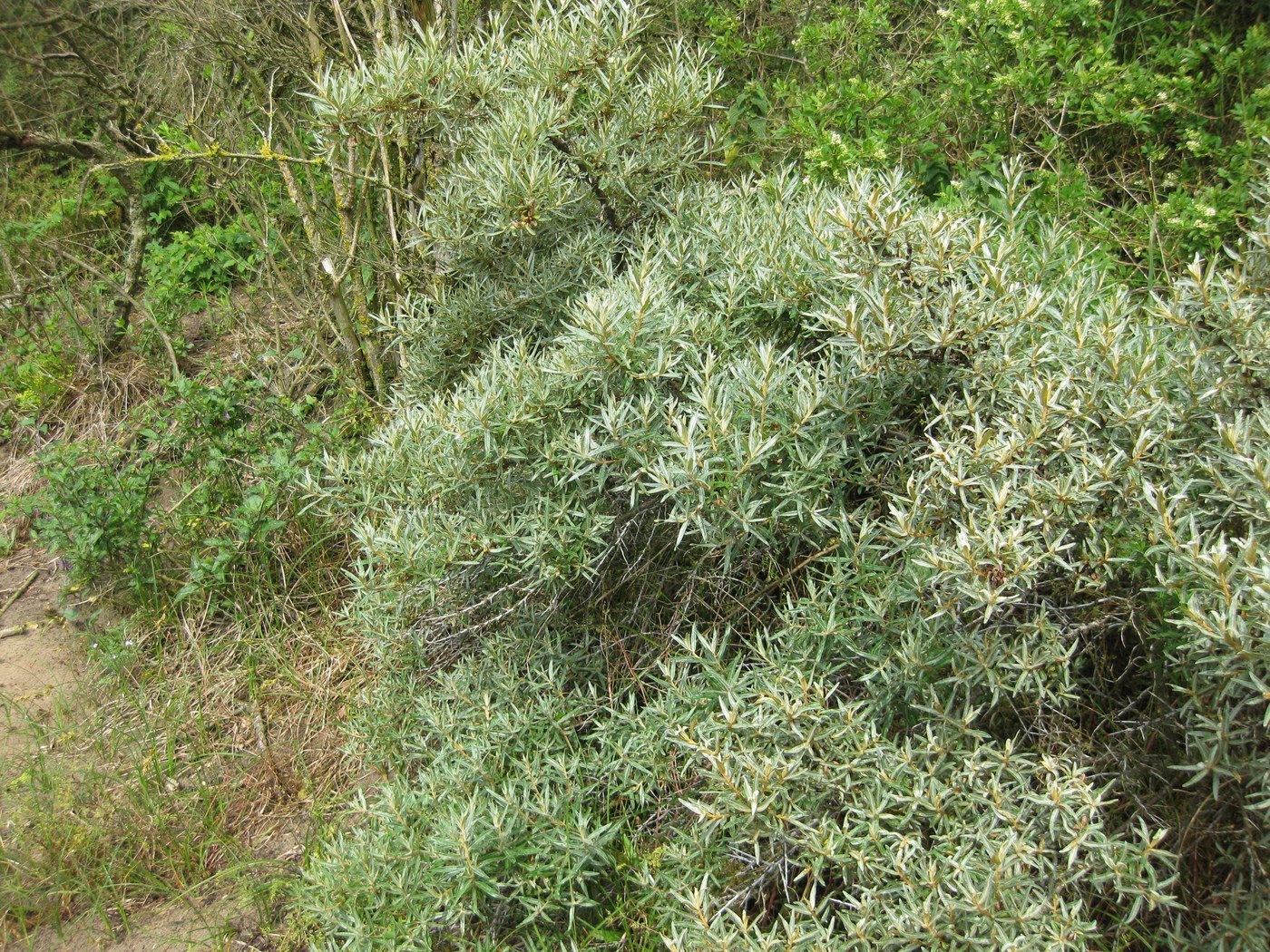
Sea Buckthorn
Hippophae rhamnoides
Sea buckthorn is a thorny, nitrogen-fixing shrub bearing dense clusters of bright orange berries. It is extremely hardy, tolerating salt, drought, and poor soils.
- Light
- Full sun
- Water
- Drought-tolerant once established
- Difficulty
- Easy
Got a plant like this?
Identify any plant from a photo, free.
Overview
Sea buckthorn (Hippophae rhamnoides) is a hardy, thorny deciduous shrub native to Europe and Asia, recognizable by its silvery, willow-like foliage and dense clusters of bright orange berries.
It is a nitrogen-fixing plant, improving the soil around it, and thrives in harsh conditions including coastal salt spray, drought, wind, and poor sandy soils.
Like many of its relatives, sea buckthorn is dioecious, requiring both male and female plants for fruiting. It is grown for soil stabilization, windbreaks, erosion control, and as an ornamental fruiting shrub.
How to identify it
- Fruit: Small, bright orange, oval berries packed densely along the stems
- Leaves: Narrow, silvery-green, willow-like, with a scaly grayish underside
- Stems: Thorny, with peeling bark; spreading and suckering
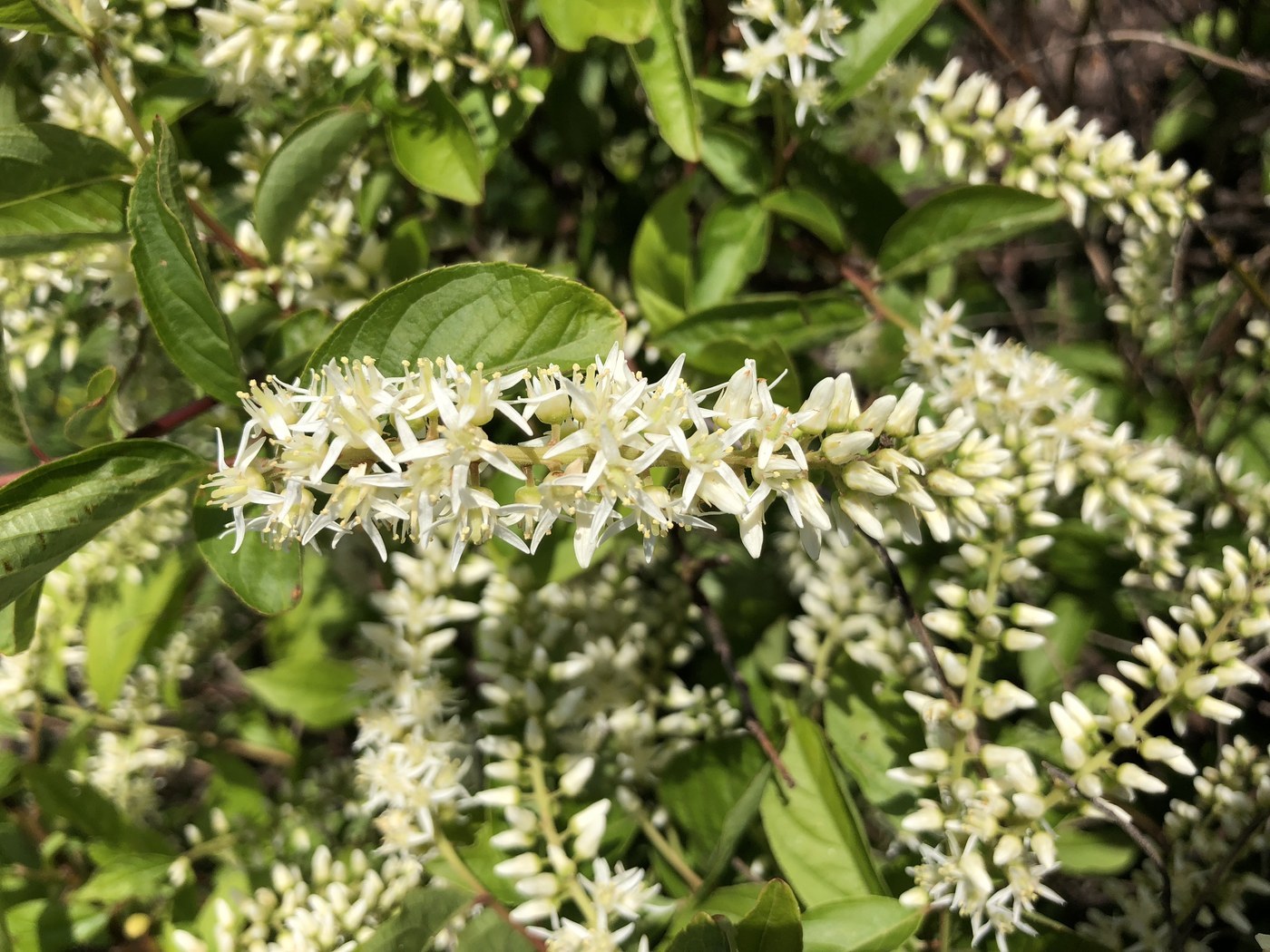
- Flowers: Tiny, greenish-yellow, inconspicuous, wind-pollinated; separate male and female plants
- Size: Typically 6–18 ft tall, forming dense thickets
Care & growing
Light: Full sun is essential; it does not tolerate shade.
Water: Drought-tolerant once established; thrives in dry, well-draining conditions.
Soil: Adaptable to poor, sandy, and saline soils; needs good drainage and tolerates a wide pH. Fixes its own nitrogen.
Temperature: Extremely cold-hardy (USDA zones 3–8) and tolerant of wind and coastal exposure.
Feeding: Rarely needed thanks to nitrogen fixation; avoid over-feeding.
Propagation: By seed, suckers, cuttings, or layering. Plant both male and female bushes (about one male per 6–8 females) for fruit.
Habitat & origin
Sea buckthorn is native across temperate Europe and Asia, from coastal dunes and riverbanks to mountain slopes, including the Himalayas, Central Asia, and northern China.
It is widely planted for erosion control, windbreaks, and land reclamation because of its tough, nitrogen-fixing, soil-stabilizing nature.
Frequently asked questions
Do I need both male and female sea buckthorn plants?
Yes. Sea buckthorn is dioecious, so you need at least one male plant to pollinate the fruit-bearing females, typically one male for every six to eight females.
How can I identify sea buckthorn?
Look for a thorny shrub with narrow, silvery willow-like leaves and dense clusters of small, bright orange berries packed tightly along the stems.
Is sea buckthorn hard to grow?
No, it is very easy and tough, tolerating drought, salt, wind, and poor soil. The main challenges are its thorns, suckering habit, and the need for both sexes to fruit.
Why is it useful for difficult sites?
It fixes its own nitrogen and forms spreading, suckering thickets, making it excellent for stabilizing soil, screening wind, and reclaiming poor or coastal ground.
Sea Buckthorn guides
In-depth guides for identifying, growing, and caring for Sea Buckthorn.
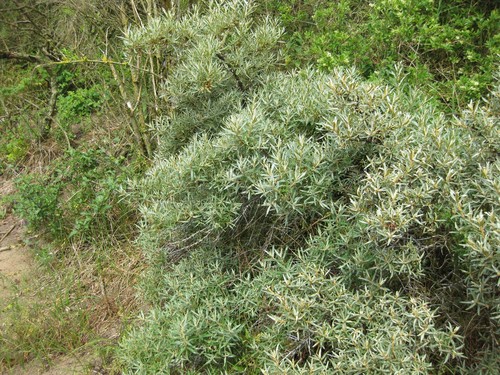
How to Care for Sea Buckthorn
Grow Hippophae rhamnoides as a tough, silvery-leaved ornamental shrub - drought- and wind-tolerant with bright autumn berries.
Sea Buckthorn Identification Guide
Recognizing sea buckthorn by its narrow silvery leaves, fierce thorns, and dense clusters of bright orange berries clinging to the stems.