Skimmia
Skimmia japonica
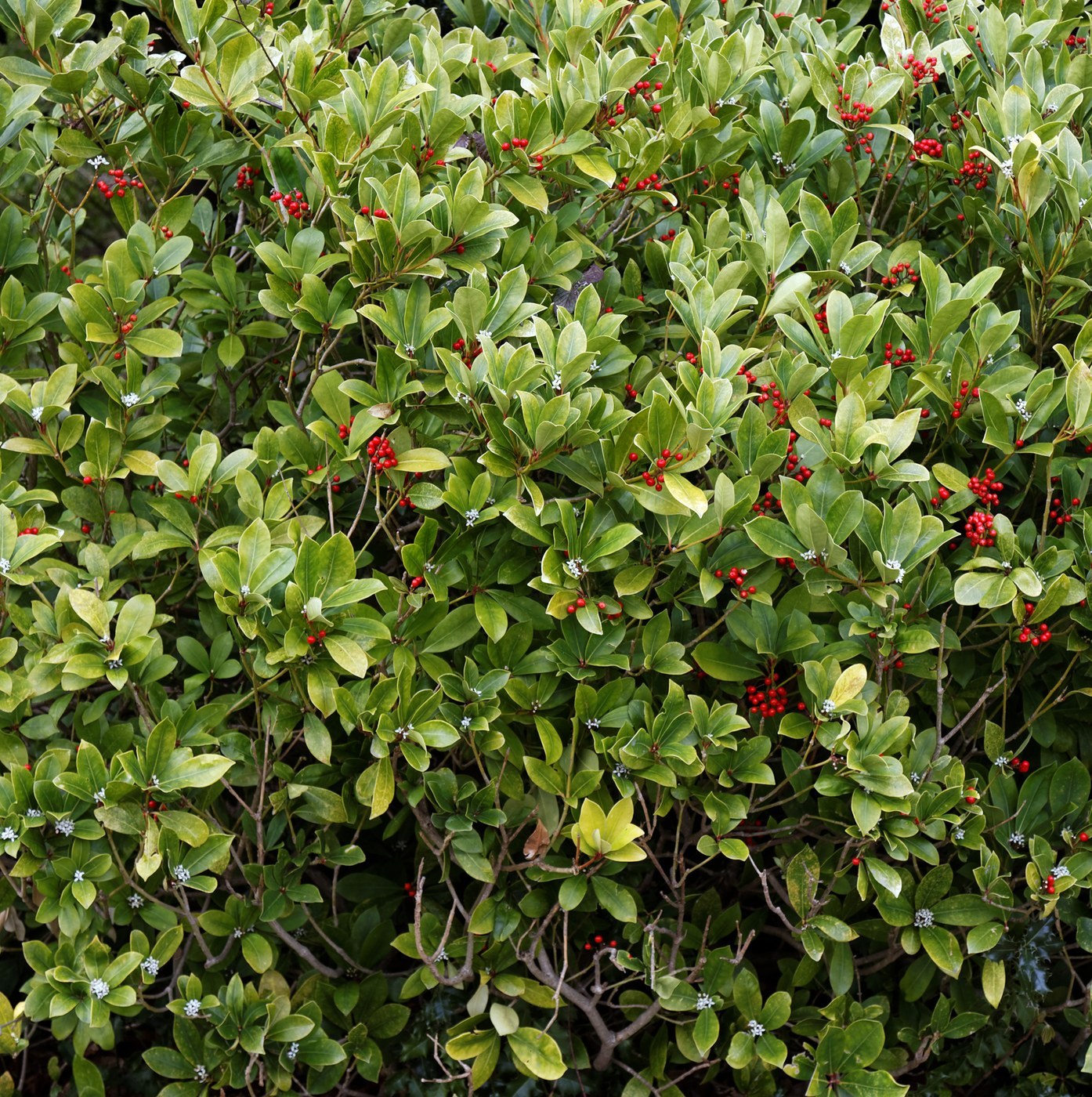
Skimmia is a compact, shade-loving evergreen shrub valued for fragrant spring flowers, ornamental red winter berries, and showy red flower buds that decorate the plant all winter.
- Light
- Part shade to shade
- Water
- Moderate; keep evenly moist
- Difficulty
- Easy
Got a plant like this?
Identify any plant from a photo, free.
Overview
Skimmia (Skimmia japonica) is a slow-growing, mounded evergreen shrub grown for year-round interest in shade. Its glossy, aromatic foliage sets off clusters of fragrant white or cream flowers in spring, often preceded all winter by conspicuous red or pink flower buds.
Most forms are dioecious, with male and female flowers on separate plants; a pollinated female bears clusters of long-lasting bright red berries that persist through winter, while male clones like 'Rubella' are prized for their showy red buds.
Compact, tidy and low-maintenance, skimmia is a favorite for shady borders, woodland gardens, containers and winter displays.
How to identify it
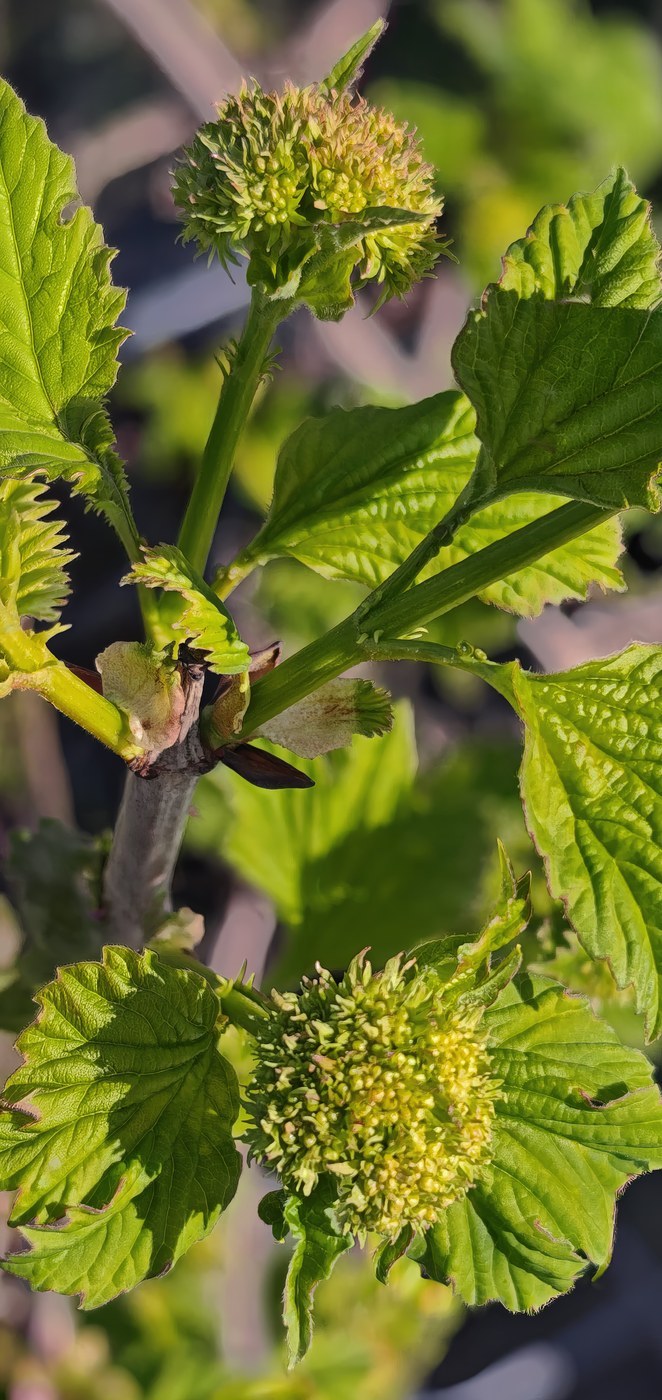
- Buds: prominent clusters of red or pink flower buds held through autumn and winter (especially male 'Rubella')
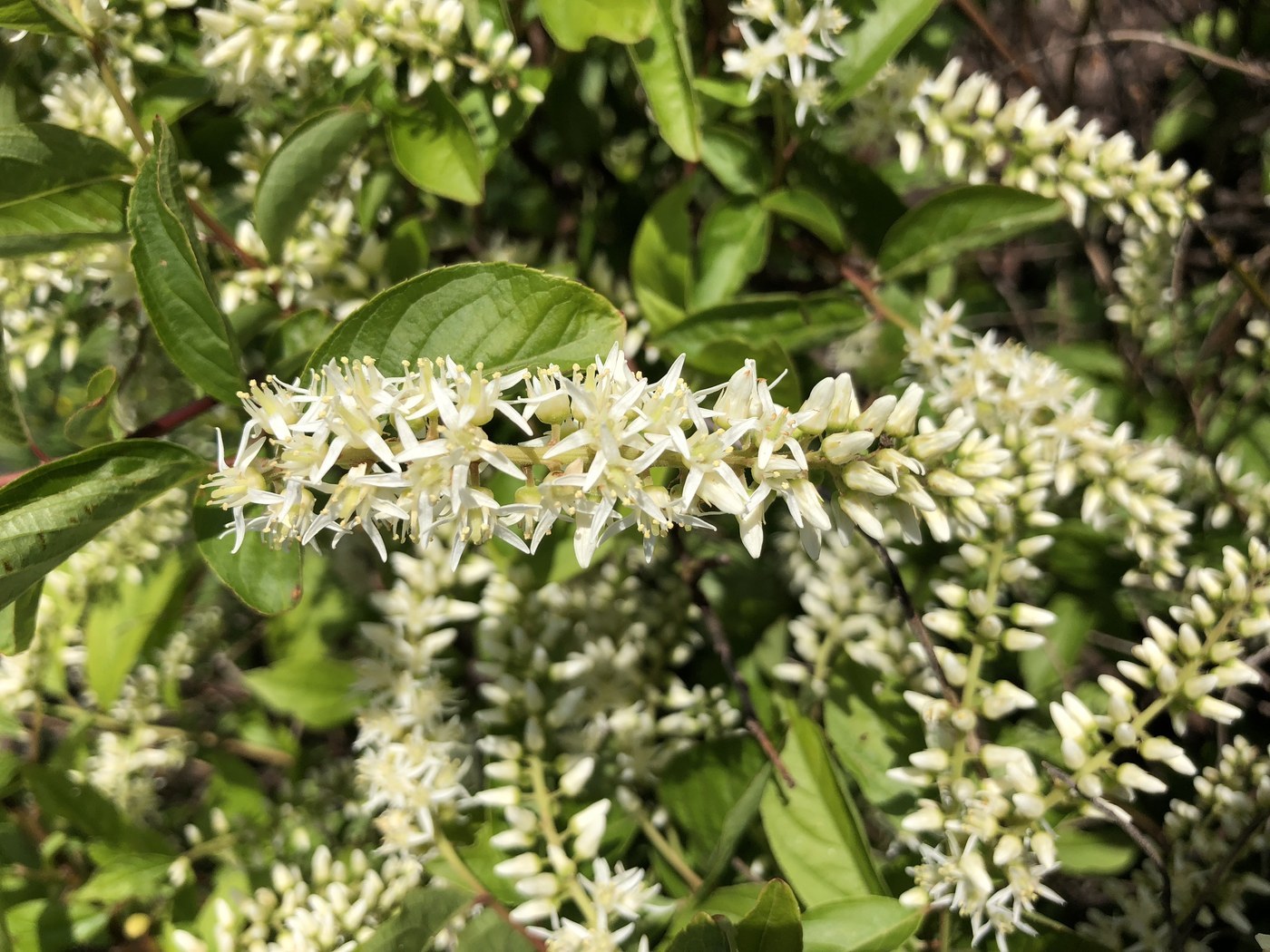
- Flowers: small, fragrant, star-shaped, white to cream, in dense panicles in spring
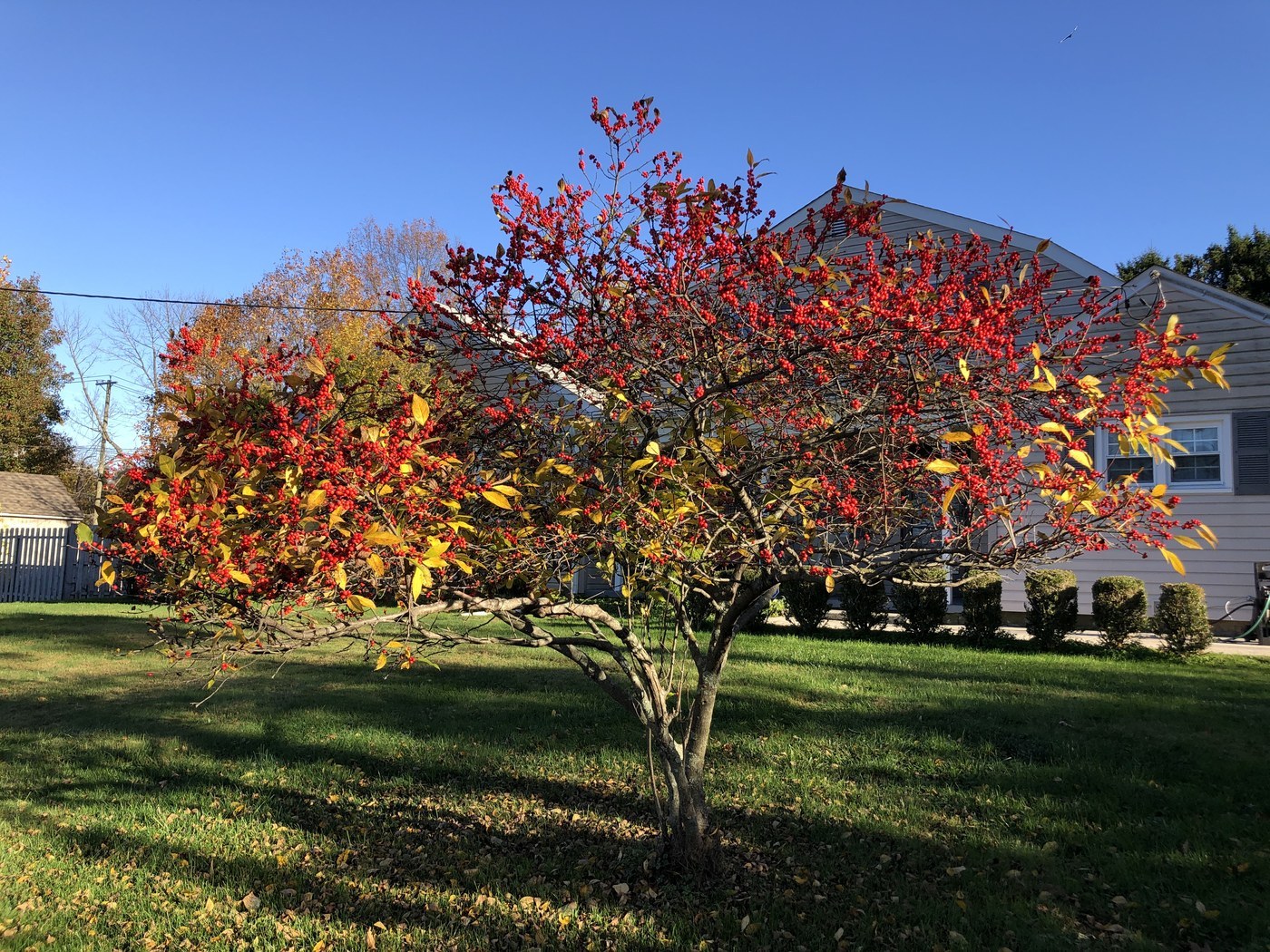
- Fruit: clusters of glossy bright red berries on pollinated female plants, persisting into winter
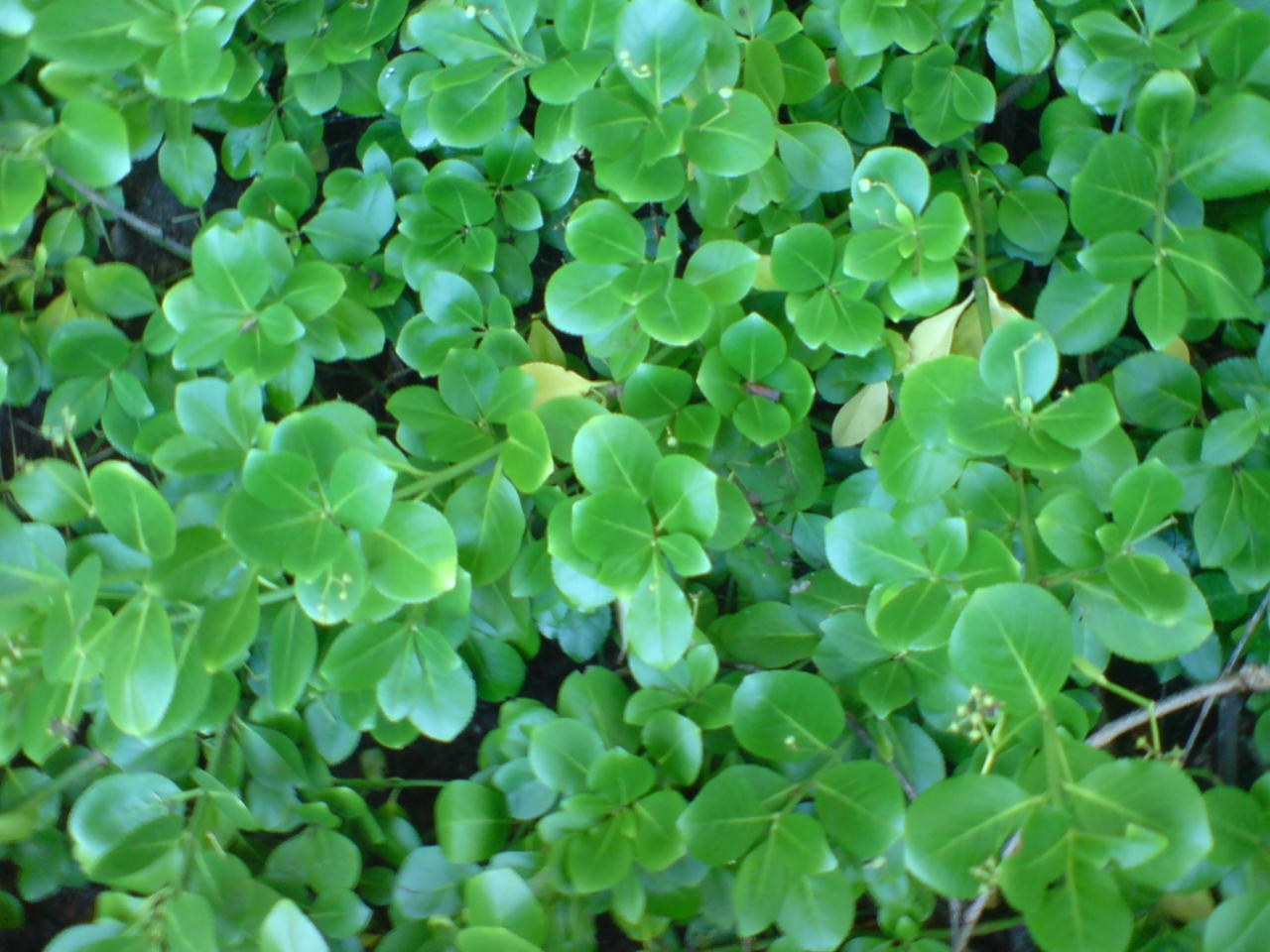
- Leaves: leathery, glossy, aromatic when crushed, elliptical, clustered toward branch tips
- Habit: compact, rounded, slow-growing evergreen, usually 2 to 4 ft tall and wide
Care & growing
Prefers part to full shade; sun and exposure cause yellowing and leaf scorch.
- Water: keep evenly moist; dislikes drying out
- Soil: moist, humus-rich, acidic to neutral; can show chlorosis (yellow leaves) in alkaline soil
- Temperature: USDA zones 6 to 9
- Feeding: mulch with leaf mold; feed lightly with an ericaceous fertilizer if needed
- Pruning: minimal; just tidy as needed
- For berries: pair a female plant with a male for pollination
- Propagation: semi-hardwood cuttings in summer
Habitat & origin
Native to Japan, China and Southeast Asia, where it grows as an understory shrub in moist, shaded mountain woodland.
Widely cultivated in temperate gardens, particularly popular in Europe for shady borders and as a winter container and seasonal display plant thanks to its colorful buds and berries.
Frequently asked questions
Why doesn't my skimmia produce berries?
Most skimmias are dioecious, so only female plants berry, and only when a male is nearby for pollination. Male clones like 'Rubella' never set fruit.
Why are the leaves turning yellow?
Yellowing often means chlorosis from alkaline soil or too much sun. Grow skimmia in shade and moist, acidic, humus-rich soil and mulch with leaf mold.
What are the red buds in winter?
Those are the developing flower buds, a key ornamental feature held through autumn and winter before opening into fragrant spring flowers.
Does skimmia need full sun?
No, it prefers part to full shade. Too much sun scorches the foliage and causes yellowing.
Skimmia guides
In-depth guides for identifying, growing, and caring for Skimmia.
How to Care for Skimmia
Grow skimmia, an easy evergreen shrub for shade with glossy leaves, fragrant spring flowers, and long-lasting winter berries or bud clusters.
Skimmia Identification Guide
Identify skimmia by its rounded clusters of fragrant red flower buds, aromatic glossy leaves, and persistent bright red berries on a shade-loving evergreen.