Surinam Cherry
Eugenia uniflora
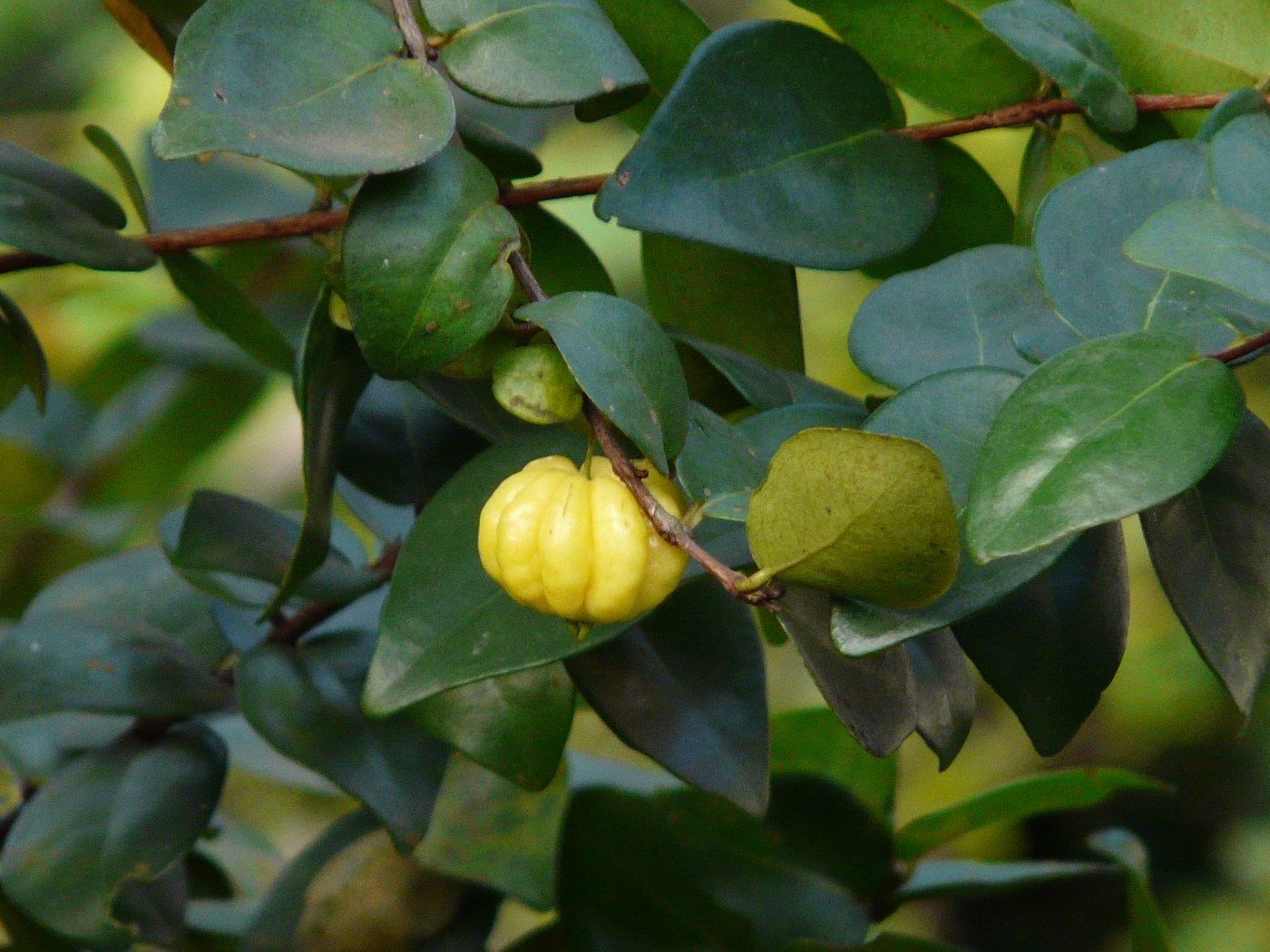
A tough evergreen shrub or small tree bearing distinctive ribbed, pumpkin-shaped red to dark-purple fruits. Hardy and easy, it is often grown as a fruiting hedge.
- Light
- Full sun to partial shade
- Water
- Moderate; drought-tolerant once established
- Difficulty
- Easy
Got a plant like this?
Identify any plant from a photo, free.
Overview
Surinam cherry, or pitanga, is a hardy evergreen shrub in the myrtle family, grown as an ornamental and fruiting hedge. The ribbed fruit ripens from green through orange and bright red to a deep, almost black purple.
It is one of the easiest fruiting shrubs to grow in warm climates, tolerating poor soil, pruning, and drought. In some regions, however, it has become an invasive weed because birds spread its seeds widely.
How to identify it
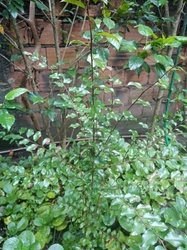
- Bushy evergreen shrub or small tree, 6 to 25 ft (2 to 8 m), often kept hedged
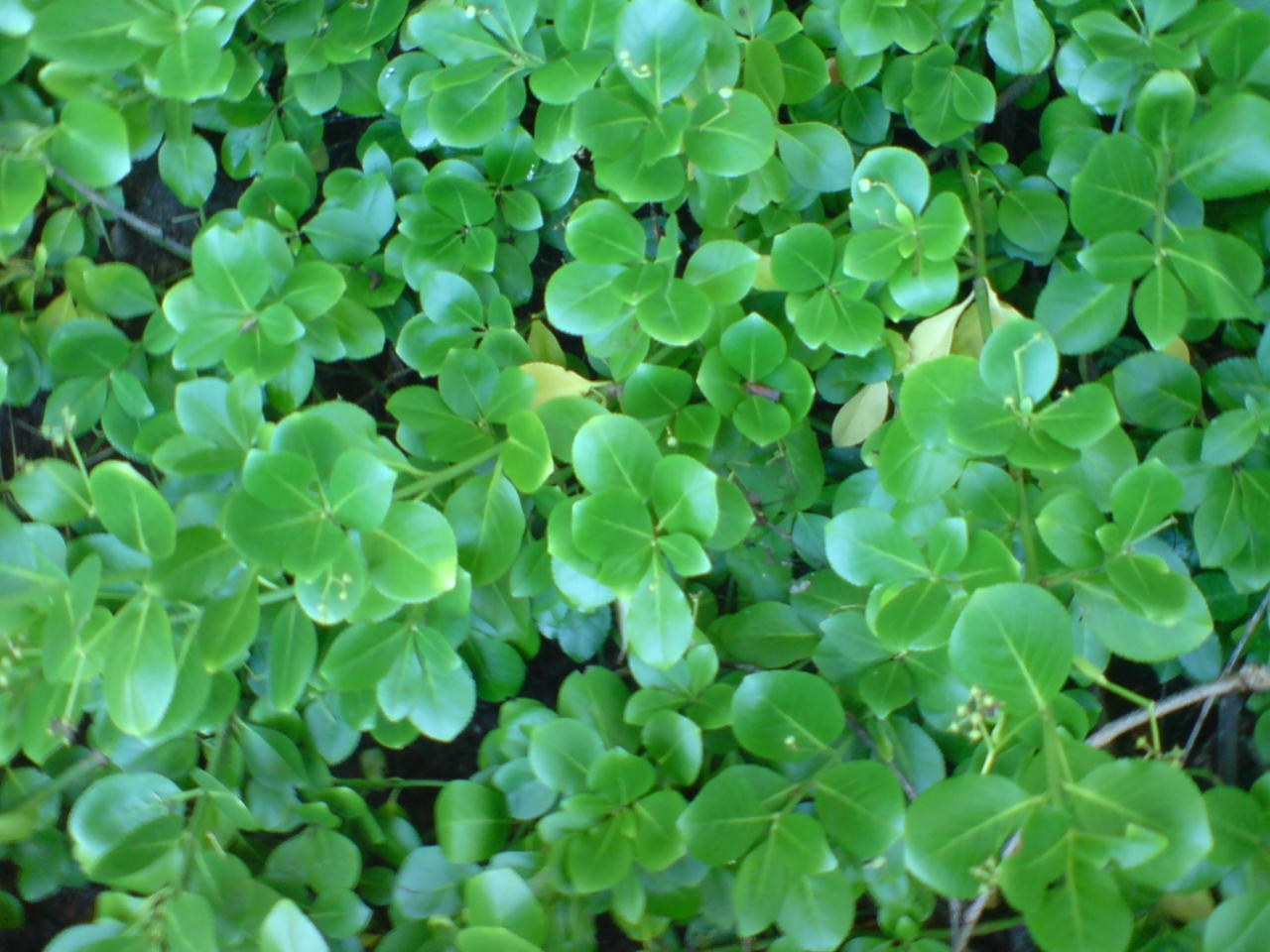
- Glossy, ovate leaves that emerge bronze-red and release a resinous scent when crushed
- Small, fragrant white flowers with prominent stamens
- Distinctive deeply ribbed, 7- to 8-lobed fruit (pumpkin-shaped), about 2 to 4 cm wide, ripening red to dark purple
- Soft flesh around one or two round seeds
Care & growing
Light: Full sun for best fruiting; tolerates partial shade.
Water: Moderate; water regularly when young, but established plants are quite drought-tolerant.
Soil: Adaptable to most well-drained soils, including sandy and limestone soils; pH 5.5 to 7.5.
Temperature: Subtropical to tropical; mature plants tolerate brief frost to around 28 F (-2 C).
Feeding: Light feeding with balanced fertilizer encourages fruiting; needs little once established.
Propagation: Easily from fresh seed; responds well to hard pruning and shaping as a hedge.
Habitat & origin
Native to tropical eastern South America, particularly Brazil, Suriname, Uruguay, and northern Argentina.
It grows in coastal and lowland habitats and adapts readily to a range of conditions. Widely planted in Florida, the Caribbean, India, and Southeast Asia, where it is valued as an ornamental hedge but is considered invasive in places such as Florida, Hawaii, and parts of Australia.
Frequently asked questions
Is Surinam cherry a real cherry?
No. It is unrelated to true cherries (Prunus); it belongs to the myrtle family and just shares a superficial red, juicy appearance.
Why is it sometimes considered a problem plant?
Birds spread the seeds, allowing it to naturalize aggressively. It is classified as invasive in Florida, Hawaii, and some other warm regions.
How do I recognize Surinam cherry fruit?
Its fruit is deeply ribbed with seven or eight lobes, giving a small pumpkin-like shape about 2 to 4 cm wide, ripening from green to red to dark purple.
How big does Surinam cherry grow?
It is a bushy evergreen shrub or small tree reaching about 6 to 25 ft, and it responds well to hard pruning, which is why it is often kept as a hedge.
Surinam Cherry guides
In-depth guides for identifying, growing, and caring for Surinam Cherry.
How to Care for Surinam Cherry
Grow Eugenia uniflora as an ornamental shrub or hedge with this guide to sun, watering, pruning, and its glossy ribbed foliage.
Surinam Cherry Identification Guide
Identify Surinam cherry (Eugenia uniflora) by its aromatic glossy leaves with bronze-red new growth, white powder-puff flowers, and ribbed pumpkin-shaped red to dark-purple fruit.
Surinam Cherry identified by the community
Real specimens identified with Plant Identifier.